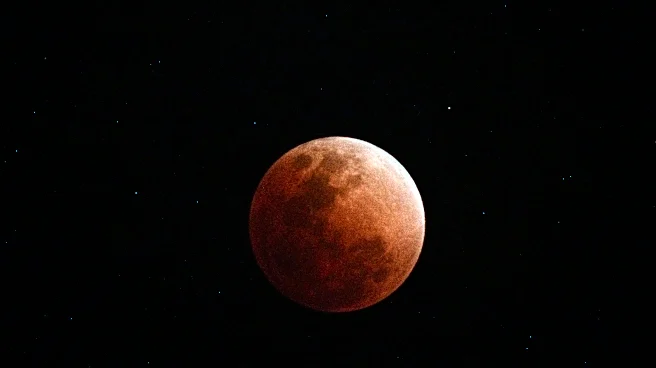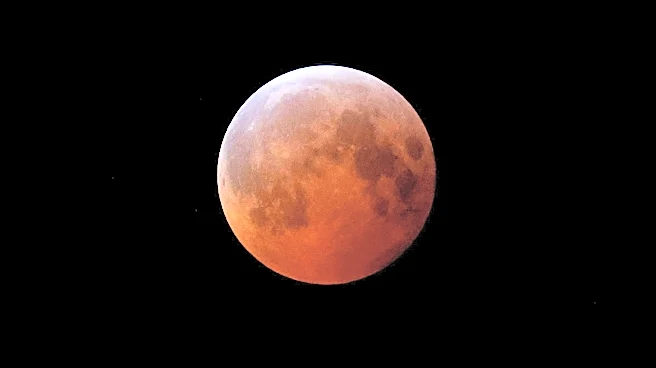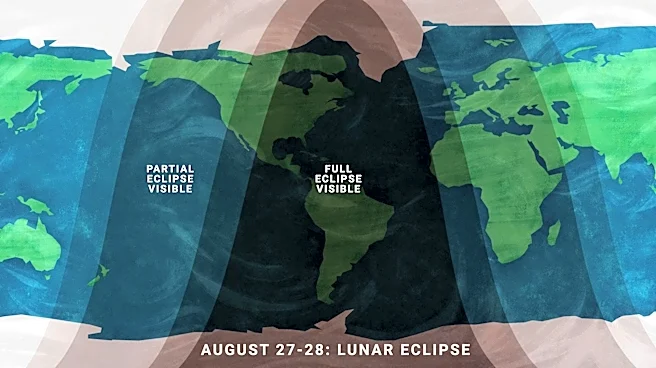




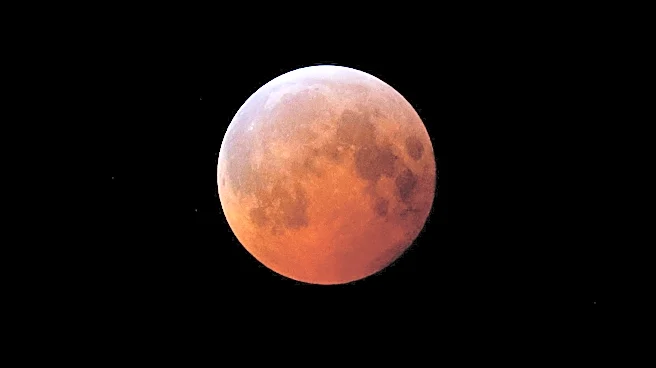
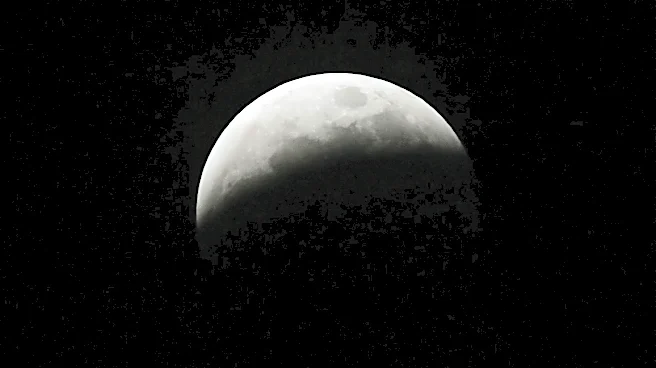
The moon lit up the night sky and put on an incredible show. But we'll have to wait a few months for the next lunar eclipse and even longer for the next total lunar eclipse.
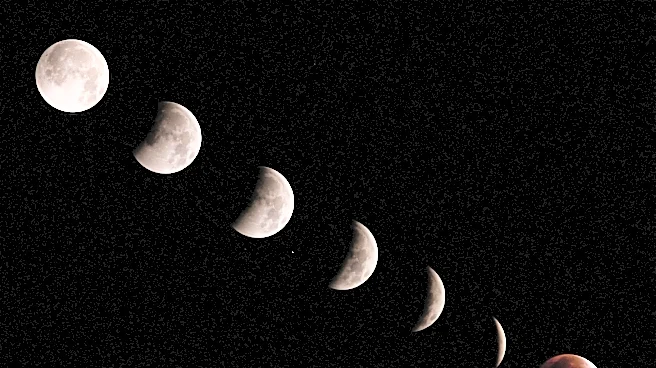
A lunar eclipse can only occur on the night of the full moon. During an eclipse, Earth moves between the moon and the sun, casting a shadow on the moon, according to NASA.
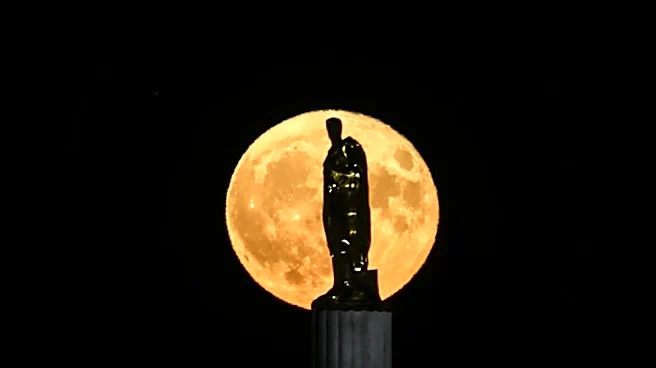
This happens because the moon does not produce its own light. When the moon looks big, beautiful and bright, it's actually acting like a ginormous mirror, reflecting the sun's light back down to Earth.
The August 2026 partial eclipse was be the closest thing the U.S. will see to a total lunar eclipse in a long time.
Here's what to know about the next lunar eclipses.
night's 'almost blood moon'
Next lunar eclipses set to happen in the US
The next lunar eclipse will occur on Feb. 20, 2027, but it will be a penumbral eclipse. Meaning the moon will enter the edges of Earth's shadow, called the penumbra, according to NASA. While the moon will dim slightly during a penumbral eclipse, it can be difficult to notice any changes. There will be two more penumbral eclipses on July 18, which won't be visible in the U.S., and Aug. 17.
There will also be a partial lunar eclipse visible in the U.S. on Jan. 11-12, 2028, but only about 2.4% of the moon will be covered, according to Time and Date. The next partial lunar eclipse will occur on July 6, and it won't be visible in North America.
The majority of the U.S. won't see another total lunar eclipse until June 25, 2029, when all or part of it will be visible across most of the country, per Time and Date. Another total lunar eclipse will occur before that, on New Year's Eve in 2028, but only part of it will be visible in the western and northwestern United States. But parts of Alaska will be granted a view of the entire eclipse from start to finish.
2029 will close with another total lunar eclipse on Dec. 20-21, according to NASA. But only part of the eclipse will be visible in North America, with the East Coast getting the best view.

What happens during a lunar eclipse?
Solar and lunar eclipses occur when the sun, Earth and moon align, according to NASA.
A lunar eclipse can only occur on the night of the full moon. During an eclipse, Earth moves between the moon and the sun, casting a shadow on the moon, according to NASA.
Stargazing tips
If you plan on watching a lunar eclipse or any other celestial events in the future, here are some tips:
- Check the weather and cloud cover in your area to ensure conditions are optimal for viewing the celestial events.
- Find a dark location away from light pollution.
- Give your eyes 20 to 30 minutes to adjust to the dark.
- Avoid looking at phones or bright lights.
To be as comfortable as possible, dress appropriately for the weather, use bug spray and bring a blanket, a sleeping bag or a reclining chair to lie on.
Julia Gomez is a Trending reporter for USA TODAY and covers space phenomena, scientific studies and natural disasters. Connect with her on LinkedIn, X, Instagram, and TikTok: @juliamariegz, or email her at jgomez@gannett.com.
This article originally appeared on USA TODAY: Missed the lunar eclipse? Here's when the next one will be