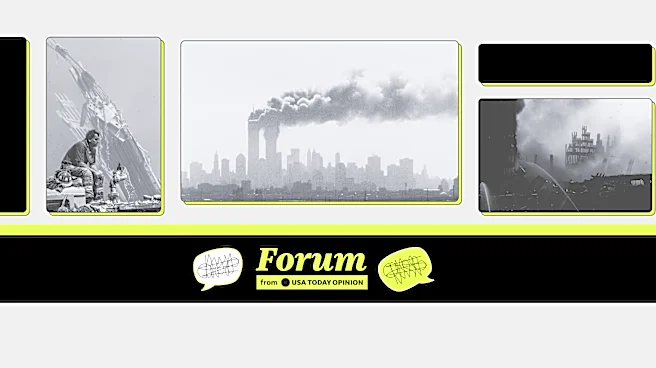



A quarter of a century later, the United States is still living with the consequences – and the memories – of the deadliest terrorist attack on its soil.
On Sept. 11, 2001, nearly 3,000 Americans died when members of the al-Qaida terrorist organization hijacked four civilian-filled airplanes and deliberately crashed them in New York City and Washington, D.C.
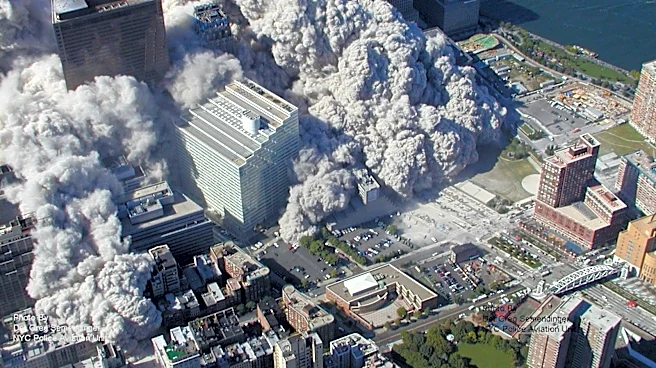
Two jets leveled the 110-story World Trade Center towers in New York and a third hit the Pentagon just outside Washington, DC.
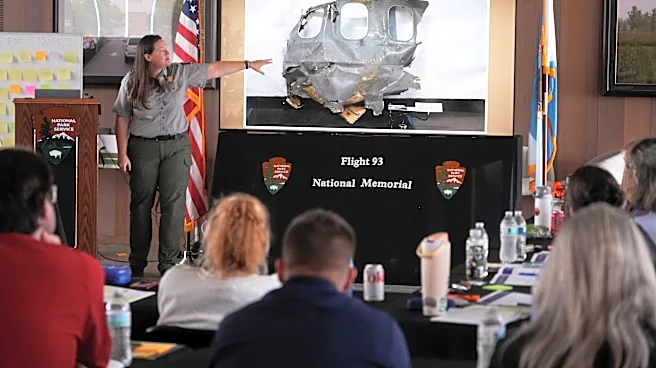
The fourth aircraft was believed to be intended for the U.S. Capitol. It crashed into a field near Shanksville, Pennsylvania, after passengers and crew learned of the other attacks and tried to retake control of the aircraft from the hijackers.
The disaster immediately
reshaped U.S. and global politics. President George W. Bush launched the global war on terror on Sept. 20, 2001.
He later signed legislation establishing the Department of Homeland Security and Transportation Security Administration. Both still exist today and work to protect the United States from terrorism and other security threats.
Americans we lost on 9/11
The Sept. 11 attacks killed 2,977 people, excluding the 19 hijackers. The death toll includes 2,499 civilians, along with all 246 passengers on the four hijacked jets.
The youngest passenger on the jets was Christine Hanson on United Airlines Flight 175. She was 2 and on her first trip to Disneyland.
The oldest passenger on the jets was Robert Norton on American Airlines Flight 11. He was 82.
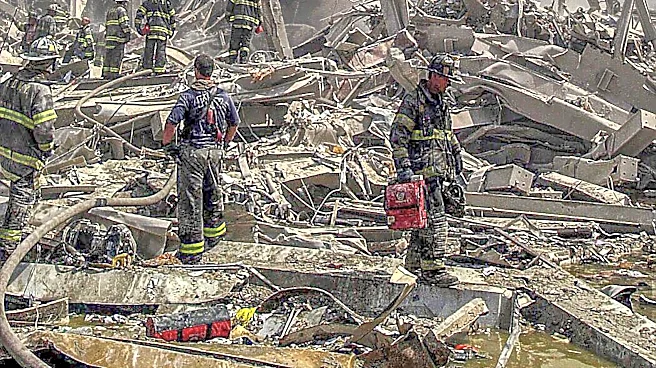
The New York City Fire Department (FDNY) lost 343 firefighters on Sept. 11. More than 400 of them died afterward from toxic illnesses they developed after recovery operations.
The World Trade Center towers were struck 17 minutes apart. The North Tower was hit at 8:46 a.m. and collapsed at 10:28 a.m. The South Tower was hit at 9:03 a.m. and collapsed at 9:59 a.m.
The towers crushed more than 1,000 vehicles when they fell, including almost 100 FDNY vehicles.
Fifteen million square feet of office space was lost at the World Trade Center, more than three times the amount of space at the Sears Tower in Chicago. Fifty thousand employees from 28 countries called the World Trade Center "the office."
The 14.6-acre site where the World Trade Center twin towers once stood is now known as Ground Zero.
At the Pentagon, 125 employees and civilians inside died on 9/11, and 4,600 employees had to be relocated temporarily afterward.
The direct aftermath of 9/11
Fires burned at Ground Zero for 99 days straight. They were officially declared extinguished on Dec. 19, 2001.
It took eight months of round-the-clock cleanup and recovery operations to clear Ground Zero. The last piece of steel was ceremoniously removed on May 30, 2002.
Hundreds of thousands of Americans rushed to donate blood to the 9/11 survivors, but much had to be discarded because most victims died immediately.
The head of the Environmental Protection Agency, Christine Todd Whitman, had told the public that the air was safe to breathe around Ground Zero after the attacks. However, hundreds of people died and thousands struggled with cancer or chronic illnesses after inhaling toxic fumes.
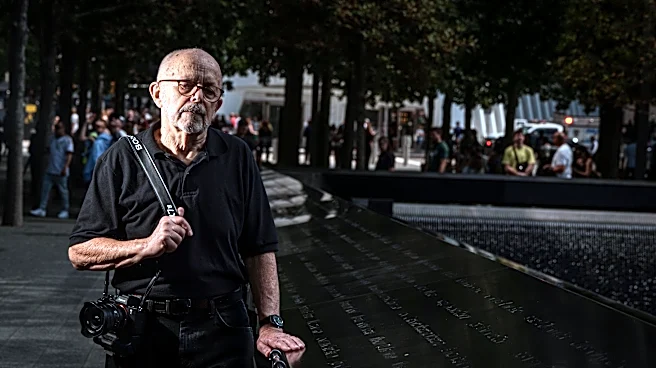
More than 11 million people visited the National September 11 Memorial at Ground Zero last year, along with 2.4 million who visited its adjacent museum to learn about and reflect on the tragedy.
SOURCES 911memorial.org, USATODAY research by April Umminger, Joan Murphy, Lori Joseph, William Risser, Darryl Haralson and Mary Cadden
PHOTOS Getty Images, USA TODAY NETWORK
GRAPHICS AND PHOTO ILLUSTRATIONS Veronica Bravo and Janet Loehrk/USA TODAY
This article originally appeared on USA TODAY: 25 years after 9/11: Visual scale of the deadliest attack on U.S. soil