






The hidden costs of homeownership, beyond the principal and interest on a mortgage, have risen to either $16,566 or $21,466 a year, depending on which of two new reports you read.
Either sum works out to well over $1,000 a month, which almost sounds like a second mortgage payment.
The annual costs of property taxes, insurance and home maintenance have been rising fast in recent years, along with just about everything else, in an era of elevated inflation.
Zillow reports that the typical homeowner now pays about $1,380 a month on those items. Insurance premiums are up 54% in the past five years, Zillow says, while maintenance costs have risen 32% and property taxes have climbed 19%.
Insurify puts the monthly tab for hidden homeowner costs at about
$1,789.
“There’s a price tag for the home, and there’s a price tag to keep the home,” said Amanda Pendleton, home trends expert at Zillow.

Many home buyers forget about hidden costs
The problem with hidden costs, Pendleton said, is that many home buyers don’t consider them.
“I think buyers know that taxes and insurance are coming, but they often don’t price them into what they can afford,” she said.
In a recent Insurify survey, 45% of homeowners said they didn’t take insurance costs into account when they bought their home. And 33% said they didn’t consider property taxes.
“I think a lot of people get caught up on the purchase price,” said Matt Brannon, senior economic analyst at Insurify.
The typical homebuyer this fall will pay about $2,004 a month in principal and interest on a mortgage, Zillow says. That number is based on a typical home, now worth $364,288, with a 30-year mortgage at current rates and a 20% down payment.
But the figure includes none of the hidden costs.
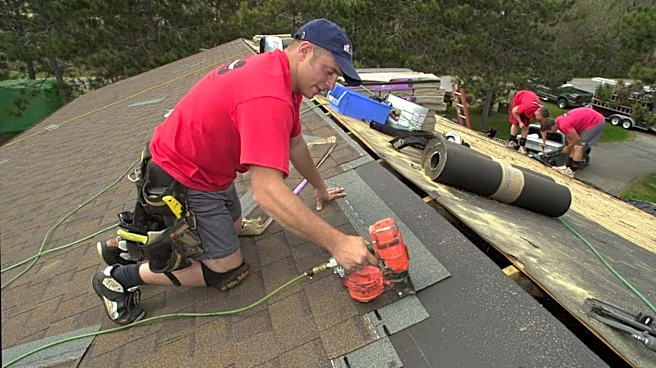
According to Insurify, routine maintenance on a home now costs an average of $7,374 a year. Here are the other hidden costs:
- Utilities: $5,649 on average
- Property taxes: $4,427
- Home insurance: $3,012
- Flood insurance: $1,004
Together, those expenses would raise a $2,000 mortgage payment to nearly $3,800 in total monthly costs on a typical American home.
When families shop for homes, those extra costs “are often underestimated or not taken into account,” Brannon said. “They’re recurring, so you don’t have a chance to get rid of them eventually. And they’re volatile, so they can rise pretty quickly.”

Rising costs of homeownership should concern prospective buyers
The rising costs of owning a home should concern prospective buyers, who are already put off by the frustrating math of buying a home.
The number of newly pending home listings, a leading indicator of sales, declined by 17% in October to the lowest level recorded in that month since 2018, according to Zillow. Researchers expect a bigger dropoff in November.
Buyers are reluctant to pay 7% interest on a mortgage. Sellers balk at lowering their price.
The spiraling costs of homeownership have led younger Americans to gravitate away from homes to other investments, like stocks.
In a recent U.S. Bank survey, 62% of Gen Z and 61% of millennials said they consider the stock market a “more realistic path to wealth” than investing in a home.
“For now, the appeal of just being able to invest that money and be hands-off with it is more attractive to young Americans,” Brannon said.
New home buyers must wait 8 years to break even
A prospective renter who is thinking of buying a home in 2026 would have to wait at least eight years to break even financially, according to a Zillow rent-vs-buy dashboard.
Prior to the pandemic, she said, Pendleton said, the break-even point on a home purchase was two to three years, because homes cost less and mortgage rates were lower.
For renters in many big cities, the break-even point on a home purchase is even more distant, Zillow reports: 12 years in Chicago, nearly 14 years in Miami and Philadelphia, more than 20 years in New York and Los Angeles, and more than 30 years in San Francisco and San Jose.
“Maybe that old adage that renting was throwing your money away just doesn’t apply anymore in today’s market,” Pendleton said.
Older homeowners have a whole different set of concerns around hidden costs.
Retirees are more likely to live on fixed incomes. Rising monthly bills for insurance, taxes and maintenance can pose a hardship even for a homeowner who has paid off their mortgage.
“They finally get to that moment, they pay off a 30-year mortgage, and they’re still left with these really big bills,” Pendleton said.
And only about half of home-owning households headed by someone age 65 or older own their homes outright, according to an Investopedia analysis of Federal Reserve data.
The other half still have mortgages to pay, on top of all the hidden fees. As a result, many retired homeowners struggle to keep up with the monthly payments.
This article originally appeared on USA TODAY: Forget the mortgage. Behold the hidden costs of homeownership