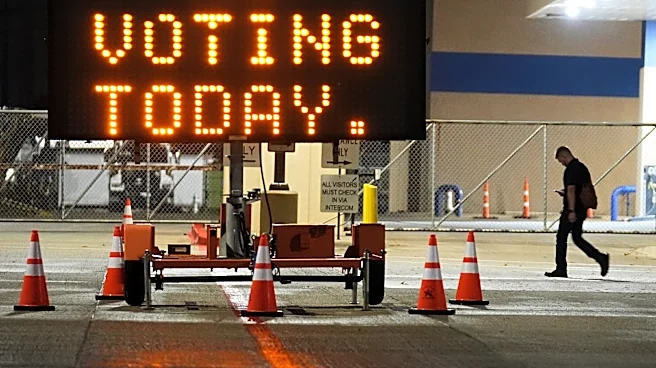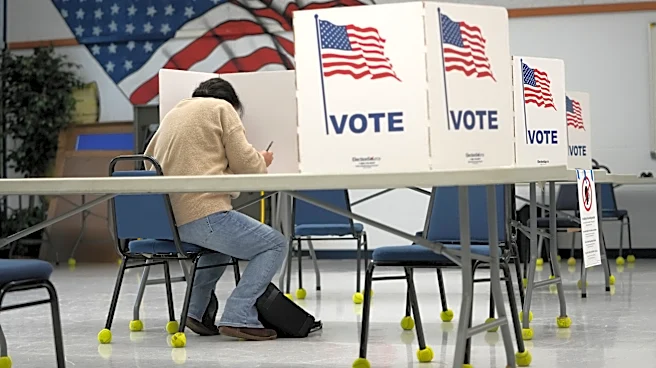






The midterm elections put data centers on the ballot across the nation, and Americans had a resounding answer: Not in my community.
Roughly 40 cities and towns across the nation weighed measures to restrict data center development. At least 33 voted in favor of reining in the industry, supporting moratoriums, new regulations and outright bans, according to Data Centers on the Ballot, a website tracking the legislation. Only one town in North Dakota voted against restrictions.
Exit polls from NBC News found that for 56% of voters, AI and data centers were a "crucial or major factor" in their vote for Congress. And about 76% of voters said they would oppose the construction of new data centers in their communities.
While pundits will be analyzing
election results for weeks, notable races showed many candidates who were tough on data centers succeeded, while notable data center supporters failed. The trend backs what polling has indicated for the last year: Data centers have become a political liability capable of impacting elections and bridging deep political divides.
“We’ve known for a while that people are very unhappy about data centers,” said David Karol, an associate professor at the University of Maryland who studies American political development. He said the midterms showed just how intense the “bipartisan hostility” toward the projects is.
“It’s pretty striking,” he said of the results.
On the state and national level, officials who supported placing guardrails on the controversial industry won races in Texas, Michigan, Arizona, South Carolina and Ohio. Those who'd expressed support for the large facilities – even if they later reversed their stance – were largely defeated.
Meanwhile, in Ohio and Oklahoma, voters in at least two communities recalled their mayors, removing them from office before their terms officially ended following backlash over proposed data centers.
Data centers were on the ballot. They got hammered.
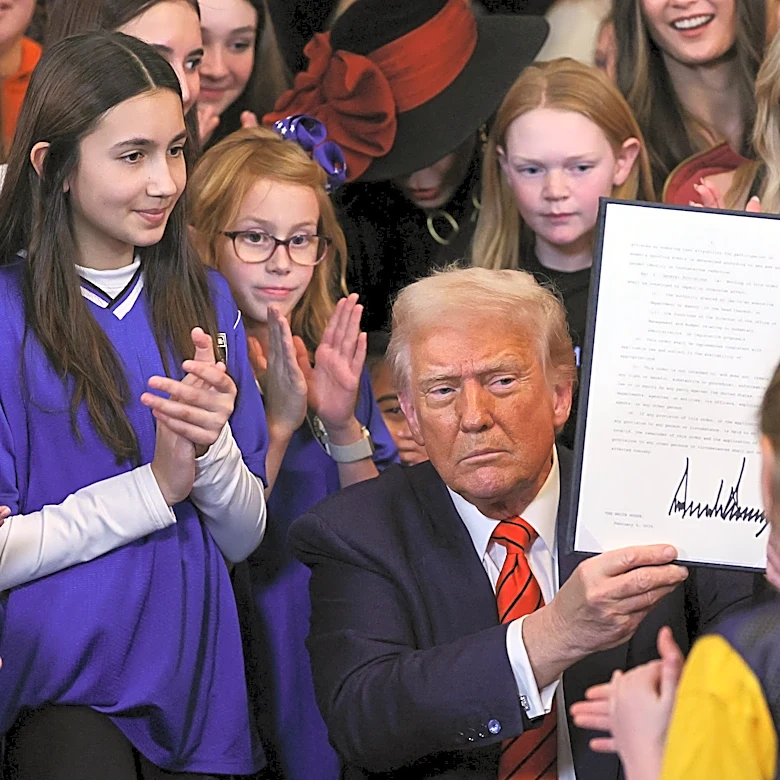
Supporters of data centers, including President Donald Trump, say the large hubs bring jobs and tax revenue to communities that embrace them. They've also argued that any halt in construction would give China an edge in the AI development race. But pushback has steadily grown amid concerns over property values, energy, the environment and the potential impacts of AI on jobs and the economy.
The initiatives seeking to curb data center construction were on ballots across the country Nov. 3, from California to Maine. A large portion of the measures were in Ohio, where voters in at least 18 communities weighed whether to restrict the growing industry. All of the measures were approved, local vote tallies show.

The restrictions ranged from full-scale bans to temporary pauses and new zoning requirements. In Edgewater, Florida, voters supported a measure adding a total ban on data centers to the city charter. At least 10 municipalities voted to ban large data centers or those that exceed 25 megawatts, a threshold that effectively prohibits the construction of hyperscale facilities that have supported recent AI development.
Some communities passed temporary pauses on permit applications, while a handful of areas blocked rezoning measures that would have allowed for more data center projects.
In some of the more striking results, the mayor and two council members in Piqua, Ohio, were recalled in part over their handling of a proposed data center backed by Meta, local outlets reported. The mayor of Yukon, Oklahoma, was similarly removed from office before his term officially ended following backlash against a hyperscale data center in his community.
The only community that voted against a proposed restriction on data centers was Harwood, North Dakota, a town of less than 1,000 people. The initiative – which only 24% of voters supported – would have imposed new requirements on the city for certain development or building projects, including data centers.
Karol said it's useful to look at local initiatives focused on data centers because there are so many other factors impacting state and national elections, such as the cost of living and the Iran war, for example.
"Data centers are a national topic, but largely a local issue," he said. "When data centers themselves were on the ballot, they lost overwhelmingly."

Data centers became key issue in some races
The intense and rapid buildout of data centers was a major topic in some competitive state and national races across the country.
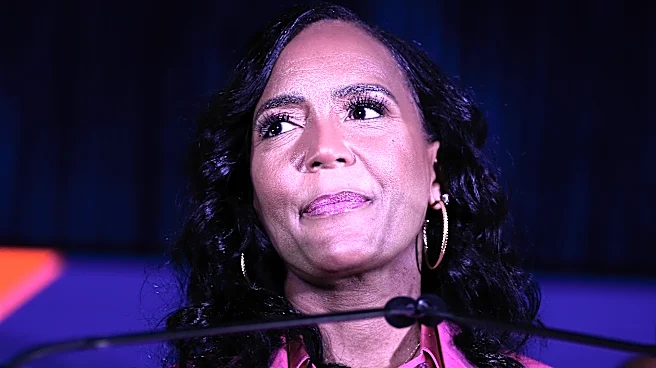
In South Carolina, Republican Sen. Darline Graham and Democratic challenger Dr. Annie Andrews often sparred over AI infrastructure and data centers, with Andrews calling for a ban on the projects and Graham opposing such a move for national security reasons.

Andrews, who nicknamed her opponent “Data Center Darline,” went on to pull off a surprise victory against Graham, who received at least $1.5 million of advertising from a super PAC aligned with data centers, The New York Times reported. Other issues dogged Graham's campaign, including criticisms that she lacked experience and fluency on foreign policy.
In Ohio, Democratic Sherrod Brown labeled his opponent, GOP incumbent Sen. Jon Husted, "the face of data centers" in blistering attack ads. Brown handedly defeated Husted for the Senate seat, netting a major victory for Democrats.
Months before the election, the National Republican Senatorial Committee issued a memo to AI companies which described data centers as "the anchor hanging around Husted's neck."
Democrats seized on the topic early and largely sought to paint their opponents as being in the pockets of developers and major tech companies. Some Republicans moved in the same direction, proposing and, in some cases, passing restrictions on the projects. But this proved difficult as Trump continued to embrace data center construction and lashed out at its opponents, saying they want to end up "backwards and poor."

In Texas, America's data center capital, Democratic gubernatorial nominee state Rep. Gina Hinojosa blasted Gov. Greg Abbott on the campaign trail for his previous comments about the state becoming the "epicenter of AI development.” Abbott later reversed course and enacted a statewide moratorium on the projects. Still, Hinojosa pulled off a stunning upset and defeated the three-term incumbent.
Not everyone labeled a data center supporter lost their election. In Florida, Republican U.S. Rep. Byron Donalds won the governor's race against Democratic candidate David Jolly. Donalds, who will be the state's first Black governor, did not support a ban or moratorium on hyperscale data centers like his opponent.
An 'early tremor'
On Election Night, Greg Casar, the Texas Democratic congressman, said the revolt against data centers was one of "the top issues of the 2026 election."
He said in a few years “we will look back on it as just the early tremor of a much bigger AI earthquake upending American politics.” He called on Democrats in Congress to take up AI and data centers as a "top priority to protect Americans' jobs, lives and freedoms from AI billionaires."

Thomas Kahn, director of the Center for Congressional and Presidential Studies at American University, said the local initiatives and national races show the building resentment against an industry many people believe has moved too quickly and evaded input from local communities.
Kahn anticipates that data centers will be a major issue in future elections and expects more candidates will favor restrictions on the industry.
"Politicians who didn't address the data center issue adequately paid a heavy price," he said.
Contributing: Terry Collins, USA TODAY.
Christopher Cann is a national correspondent for USA TODAY. Reach him by email at ccann@usatoday.com.
This article originally appeared on USA TODAY: Data centers were on the ballot across the nation. They got crushed