







A colorful bouquet on the kitchen counter or a leafy houseplant in the corner can instantly brighten a room, but not every pretty plant plays nicely with pets.
For a curious cat or dog, a quick nibble or brush against the wrong bloom can turn a little botanical mischief into a serious medical emergency. Some plants can cause kidney failure, liver damage, heart problems or other life-threatening complications, and pets may not show symptoms right away.
“Prevention is so important,” said Dr. Tina Wismer, senior director of toxicology at ASPCA Poison Control. “Finding out the Latin name and looking it up to see if it is toxic can save money and lives by avoiding bringing toxic plants into the household.”
Before bringing home a new bouquet, houseplant
or garden green, here are the plants experts say pet owners should know about.
What plants are toxic to cats?
For cat owners, true lilies, or Lilium species, are among the most dangerous plants to have in the home. Popular varieties include Easter, tiger and Asiatic lilies.

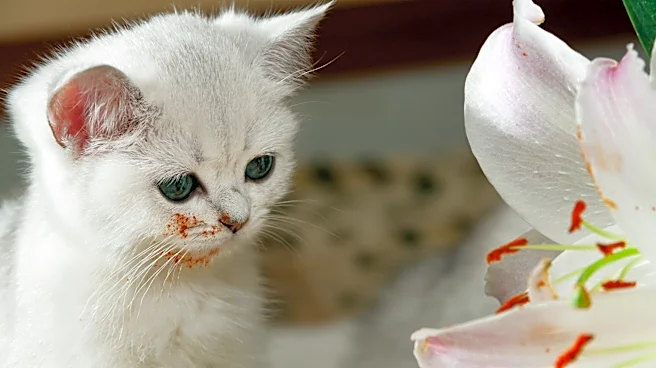
ASPCA Poison Control receives more calls about lily exposure in cats than any other plant, Wismer notes. A cat does not have to gobble down an entire flower to become sick, either. Brushing against a lily can leave pollen on its coat, which the cat may later swallow while grooming.
“All parts of true lilies, including the pollen, are extremely toxic to cats,” warns Dr. Katey Wahlen, medical director at VEG ER for Pets in Elk Grove, California. “Even a small exposure can cause acute kidney failure.”
Because cats are talented climbers and fallen petals can land within reach, placing a toxic plant on a high shelf may not be enough. In homes with curious cats, avoiding high-risk plants entirely is the safest option.
Plants cat owners should avoid include:
- True lilies: Easter, tiger, Asiatic and other Lilium species can cause acute kidney failure. Every part of the plant is dangerous, including the pollen and vase water.
- Sago palms: The entire plant is toxic, but the seeds contain especially high concentrations of toxin and can cause liver failure.
- Lily of the valley: Can affect the heart and may cause abnormal heart rhythms, seizures or death.
- Oleander: Even a small amount can cause serious heart and neurological problems.
- Azaleas and rhododendrons: These plants may cause vomiting, weakness, abnormal heart rhythms and other complications.
- Pothos and philodendrons: These common houseplants contain irritating crystals that can cause mouth pain, drooling and digestive upset.
- Aloe vera: Eating aloe may cause vomiting, diarrhea and lethargy.
- Poinsettias: The sap can irritate the mouth and stomach.
What plants are toxic to dogs?
For dogs, sago palms are among the biggest horticultural hazards. The ornamental plant contains toxins that can cause severe liver failure, and every part is dangerous, whether it is alive or dried. “Even a single seed can lead to severe liver failure and death,” Wahlen cautions.
Dogs may also dig up and chew flower bulbs, which can contain higher concentrations of toxins than the leaves and blooms above ground. A smaller dog may become seriously ill after eating less plant material than a larger dog because of its size.

Plants dog owners should avoid include:
- Sago palms: All parts are toxic, but the seeds pose the greatest risk.
- Lily of the valley: Can cause vomiting, abnormal heart rhythms, seizures and death.
- Oleander: Every part contains compounds that can interfere with normal heart function.
- Rhododendrons and azaleas: These plants may cause drooling, vomiting, weakness and cardiovascular problems.
- Tulips and daffodils: The bulbs are the most toxic parts and can cause severe digestive symptoms, low blood pressure, abnormal heart rhythms or seizures.
- Mistletoe: May cause gastrointestinal, heart or neurological problems.
- Jade plants: These may cause vomiting, lethargy and loss of coordination.
- Snake plants: Ingestion commonly causes nausea, vomiting and diarrhea.
- Ivy: Some varieties can cause drooling, vomiting, diarrhea and abdominal discomfort..
Which plants are the safest for pets?
Pet-friendly greenery does exist, so your home does not have to become a plant-free zone. The key is knowing exactly what you are buying. Before bringing home a plant or bouquet, check the specific variety through a trusted resource such as the ASPCA’s Toxic and Non-Toxic Plant Library.
For bouquets, Wahlen recommends choosing one type of flower that has already been identified as non-toxic rather than an arrangement filled with unfamiliar stems and greenery, where a dangerous flower may be tucked among otherwise safe blooms.
Owners should also confirm the plant’s scientific, or Latin, name because different plants can share the same common name, and plant-identification apps can make mistakes. “If you’re not confident in the identification, maybe choose another plant,” Wismer advises.

Keep in mind that a “non-toxic” label does not make a plant an all-you-can-eat salad bar. “Any plant material, toxic or not, can irritate the stomach and cause vomiting,” Wismer adds.
Safer pet-friendly plant options include:
- Roses: Roses are considered non-toxic, though thorns can cause injuries and floral preservatives may still pose a risk.
- Boston ferns: These leafy houseplants are considered non-toxic to cats and dogs.
- Christmas cacti: These are generally considered pet-safe.
- Orchids: Many common orchid varieties are considered non-toxic, though not every species or hybrid has been formally studied.
- Basil: This culinary herb is generally safe for pets.
- Cat grass: Usually grown from wheat, oat, barley or rye seeds, cat grass gives cats a safer option for nibbling.
- Catnip: Catnip is considered non-toxic, though eating a large amount may cause digestive upset.
- Artificial plants: Faux greenery eliminates plant-toxin concerns, but loose pieces can still become choking hazards or cause an intestinal blockage if swallowed.
What to do if your pet eats a toxic plant
If you suspect your pet has eaten or touched a toxic plant, call your veterinarian or an emergency veterinary hospital right away. “If they are not available or knowledgeable about the plant, they should call the ASPCA Poison Control 24-hour hotline at 888-426-4435,” Wismer advises.
Move your pet away from the plant and safely remove any material from its mouth. If lily pollen or another substance is on a cat’s coat, Wahlen recommends wiping it away or washing the area with diluted dish soap to prevent ingestion during grooming. Take photos of the plant, save its label and note when the exposure occurred and how much may have been eaten. “Don’t give your pet medications or home remedies and don’t try to make them vomit,” Wahlen cautions.
Pets may initially appear normal, and symptoms can develop within minutes or hours. Repeated vomiting, blood in vomit or stool, severe lethargy, breathing problems, tremors or collapse require immediate veterinary care.
Keep an eye out for these symptoms:
- Vomiting, diarrhea, drooling or loss of appetite
- Lethargy, weakness or unusual behavior
- Tremors, seizures or difficulty walking
- Breathing problems or changes in heart rate
- Pale or bright red gums
- Collapse or difficulty urinating
When in doubt, check the ASPCA’s Toxic and Non-Toxic Plant Library or call its Poison Control hotline rather than waiting for symptoms to take root.
This article originally appeared on USA TODAY: Pet-safe plants: Flowers and houseplants toxic to dogs and cats