


Ahead of the U.S. Army delaying a plan to detonate lead in Iowa, widespread bipartisan condemnation brewed – from the state's Republican governor to the incoming Democratic governor to lawmakers on both sides of the aisle in Washington, D.C.
"The safety of Iowans now and in the future should be government’s top concern," Democratic Gov.-elect Rob Sand said in an X post. "An unacceptable lack of communication and clarity has made Iowans understandably concerned and angry about this situation. The public deserves to know, if this is the safest option, why other options were worse. If it isn’t as safe as possible to do this tomorrow, it shouldn’t happen tomorrow."
The detonation, originally scheduled for Friday, Nov. 20, was rescheduled for Monday,
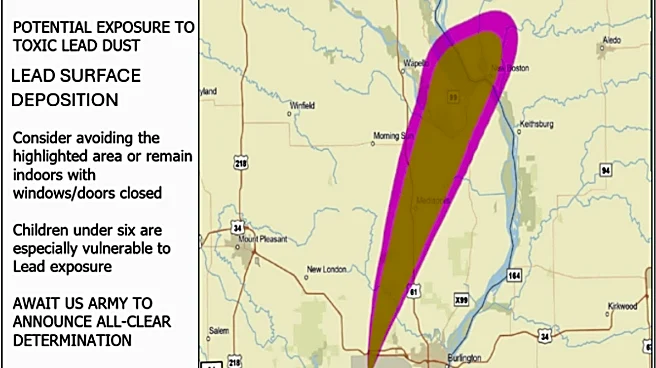
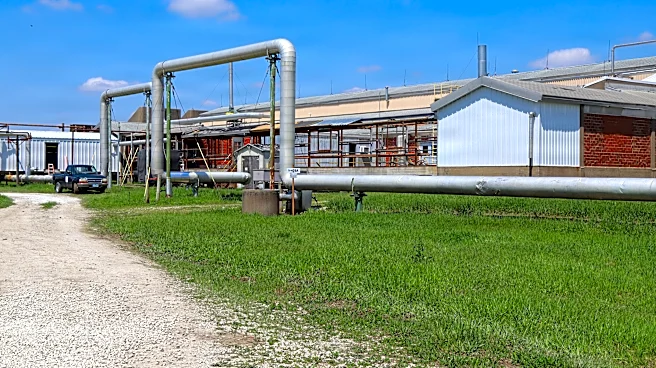
Nov. 23, and has come under scrutiny for the 68 barrels of unstable lead azide that would cast a shower of lead dust over the northeast part of the state and parts of Illinois, as well as for the short timeline in which it was announced, only four days in advance of the Friday plan.
On Nov. 19, environmental groups filed a lawsuit against the Environmental Protection Agency over its Nov. 13 approval of an emergency permit for the controlled explosion. The Army made its plan public on Monday, Nov. 15. Adam Telle, the acting secretary of the Army, announced the three-day-delay of the detonation in a late Nov. 19 post on X, saying that "public safety is the Army's top priority" and that the postponement was "to the latest possible moment prior to a forecasted temperature drop, which would risk further destabilization of the material."
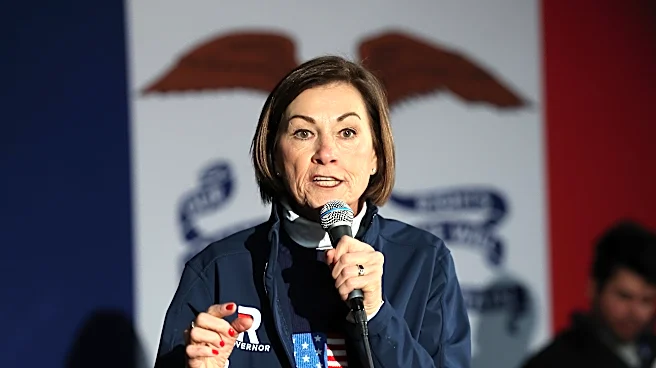
In a statement, Republican Gov. Kim Reynolds' spokesperson Mason Mauro told the Des Moines Register, which is part of USA TODAY's network, that the governor's staff and state agencies have contacted the Army and Environmental Protection Agency for a meeting, saying that the two federal organizations planned and permitted the detonation, and that "the Army engaged local public health and emergency management officials to assist with community awareness efforts."
Lawmakers in the state and in Washington, D.C., chimed in, joining environmental advocates, health experts and Iowans in raising questions and expressing frustration over the plan and its timeline. Iowa officials in Washington said that they have spoken to Army officials and congressional armed services committees about their concerns.
Iowa's members of Congress relayed constituent health concerns
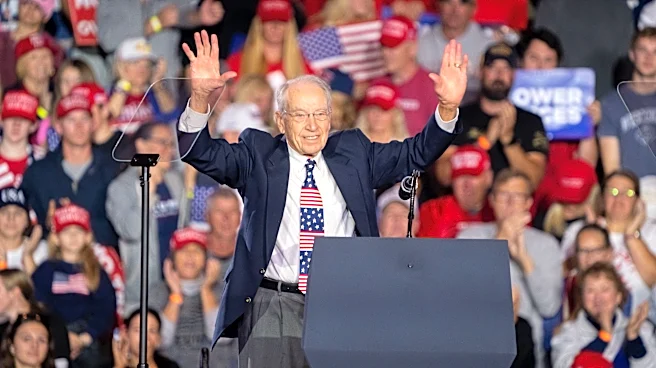
The office of Republican Sen. Chuck Grassley, who has served Iowa in the U.S. Senate for more than 45 years, posted on X that "The Army has assured Sen. @ChuckGrassley that they are taking appropriate safety precautions to protect Iowans' health." The senator himself followed up in a statement from his own account that he shared questions and concerns from constituents to the Army.
"I’ve emphasized the need for increased communication," Grassley wrote on X. "The Army is delaying the controlled detonation until Monday to further educate the public."
Democratic Sen.-elect Josh Turek said in a press release that he is working with outgoing Republican Sen. Joni Ernst in "doing all that we can to get clarity." The statement, ahead of the Army's announced postponement, called for the plan to be paused and delayed "until public officials and the public can fully understand the health impacts to Iowans and know that every safety precaution is being taken."
"Keeping Iowans safe is my top priority. As someone who was born with spina bifida due to my father’s exposure to Agent Orange – an airborne toxin – I am deeply concerned about Friday’s planned detonation in Middletown," wrote Turek, who is a former Paralympic Team USA wheelchair basketball player.
Turek called the "lack of advanced notice" concerning and added that, "Although this underground detonation may be required to safely neutralize the material, it should not be rushed, and instead be planned to minimize the impacts on Iowans, including on a day where the weather patterns do not increase the associated health risks."
Ernst had not released her own statement before publication, and her office did not respond to a request for comment from USA TODAY before publication.
Republican Rep. Ashley Hinson, who Turek beat in the Senate race, also sounded the alarm, writing in a statement on X that "surrounding communities were not given adequate notice," and that she was working with federal agencies to find answers.
"I’ve heard directly from Iowans concerned about the potential impact on air quality and their families’ health and safety," Hinson said. "They deserve clear answers and transparent safety protocols before this moves forward. It shouldn’t happen tomorrow. We need more rigorous oversight of facilities that store hazardous materials to prevent this kind of situation from happening in Iowa or around the country."
The Democrat who will take Hinson's seat in Congress, U.S. Rep.-elect Lindsay James, spoke out as well, writing in a statement that "Iowans have experienced a complete lack of communication on how this situation developed and details of the potential health impacts on our communities."
Two other Democrats headed to Congress, U.S. Rep.-elect Sarah Trone Garriott, for the state's 3rd district, and U.S. Rep.-elect Christina Bohannan, for Iowa's 1st district, also spoke out.
Bohannan, in statement to the Des Moines Register, part of the USA TODAY Co. network, said that she was working to "ensure every effort is made to minimize risks and to allow Iowans time to fully understand any potential alternatives, impacts, and mitigation efforts." She said she relayed concerns to Army representatives and members of the U.S. House Armed Services Committee.
Trone Garriott said that Iowans "are right to be frustrated by the short notice and poor communication."
"Iowans deserve to know that every option was considered and that their health came first," she added.
Contributing: William Morris, Kyle Werner and Thao Nguyen, USA TODAY Network; and Maya Marchel Hoff of the Des Moines Register
This article originally appeared on USA TODAY: Bipartisan backlash brews as Army delays Iowa lead detonation