





Many of us can relate to tripping while climbing stairs, slipping on a wet floor or misjudging the height of a curb. While such infrequent mishaps usually result in little more than a moment of embarrassment, some people fall far more often, with each incident increasing the likelihood of serious injury, lost confidence and another fall.
Such risks become especially serious with age, as the U.S. Centers for Disease Control and Prevention (CDC) notes that falls are the leading cause of injury death among adults 65 and older.
Aging doesn't mean falls are inevitable. People of any age can take steps to reduce their risk. Here are the common causes of falls, who needs to be especially careful and what you can do to avoid falling in the first place.
What causes accidental falls?
A fall happens when the body’s center of mass moves beyond its base of support and one cannot recover quickly enough with a step, grasp or shift in posture.
While a fall is often blamed on something specific like a loose rug, "it usually occurs because of an interaction between three things: the person, what they are doing and the environment in which they are doing it,” explains Susan Stark, a professor of public health, occupational therapy and social work at Washington University.
Individual factors such as muscle weakness, slowed reaction time or poor coordination can all make a person more likely to lose balance, and often less able to recover. Vision changes, including “contrast sensitivity, difficulty with glare, depth perception, decreased peripheral vision and needing more lighting to see,” can also contribute, says Suzanne Morley, the health promotion program coordinator for the Wisconsin Institute for Healthy Aging.
Weak leg and core muscles can also make walking, hiking or climbing stairs more difficult and increase the likelihood of a fall. Aging plays an outsized role because “we lose some of our muscle strength and our balance might not be what it used to be” as we get older, Morley says. Arthritis, diabetes, stroke, Parkinson’s disease, dementia, foot problems and other chronic conditions are also more common with age and further increase a person’s risk of falling.
Medications that cause sleepiness, confusion, blurred vision, dizziness or low blood pressure can also contribute, particularly when several are taken together, Stark says. Not eating or drinking enough may similarly cause weakness or dizziness, especially upon standing.
When it comes to activities associated with falls, tasks like climbing a ladder, rushing down stairs or reaching overhead from an unstable position carry obvious risks. Morley says even everyday activities like going to the bathroom in the middle of the night or carrying laundry down a staircase without a free hand for the railing can become hazardous.
Environmental factors such as clutter, uneven flooring, dim lighting, pets underfoot, missing handrails, electrical cords and slippery bathrooms can further turn individual vulnerability into a fall.
Who is most at risk for accidental falls?
Because aging can affect eyesight, balance, muscle strength, reaction time and the likelihood of developing chronic health conditions, Morley says adults 65 and older are among those at greatest risk of falling. Older adults may also increase risk due to loneliness or social isolation, she adds, particularly when those circumstances reduce physical activity or make someone less likely to seek help.
Stark points to people who have fallen or been injured before as another high-risk group because lingering pain or weakness can limit mobility, an injury can alter how you walk and fear of being hurt again can lead to inactivity and physical deconditioning.
People with vision problems and those taking medications such as sedatives, antidepressants or blood pressure-lowering drugs may also face greater risk.
The CDC’s fall-risk screening tools can help identify potential concerns, but they cannot diagnose their cause. Because of this, a clinician or physical therapist is often needed to assess one's walking, leg strength, balance, vision and blood pressure.
To help determine if this could be useful, Stark recommends assessing your individual risk by asking yourself three questions: “Have you fallen in the past year? Do you feel unsteady when you’re standing or walking? And are you worried about falling?” Answering yes to any of them, she says, is a good reason to speak with your doctor.
How to prevent accidental falls
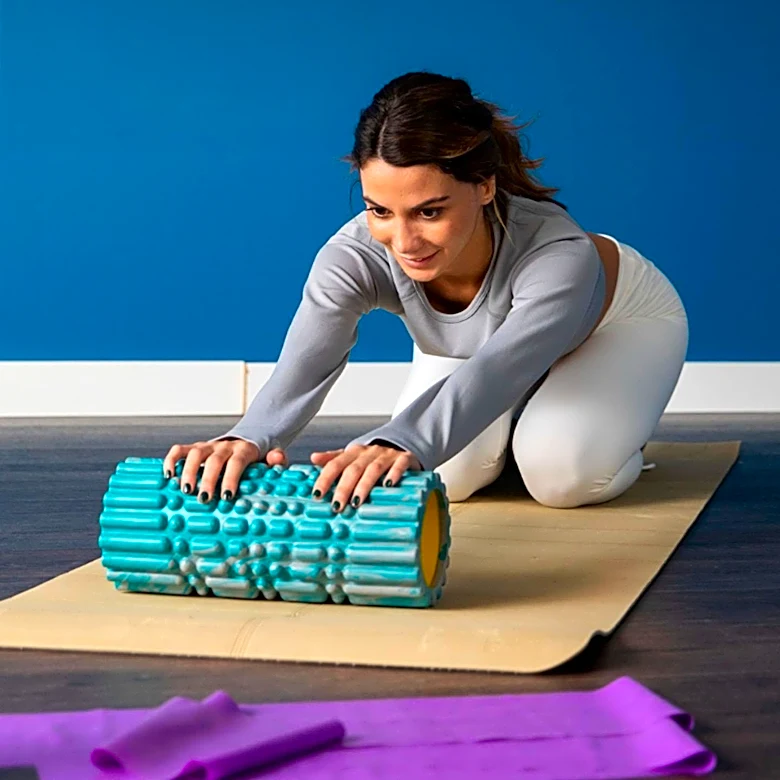
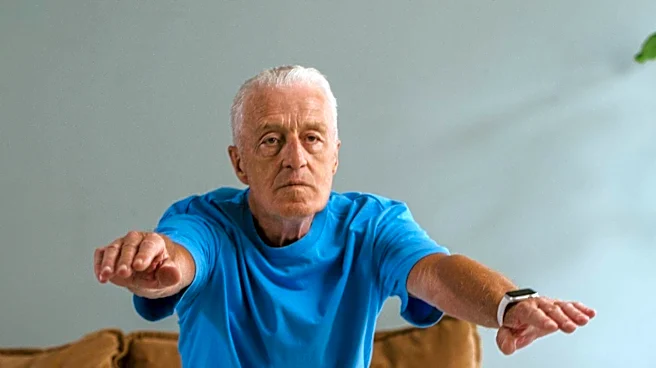
When it comes to preventing accidental falls, exercise has the strongest supporting evidence, especially among adults 65 and older and others at increased risk, with one systematic review finding that exercise reduces fall rates by 23% among that age group.
Even better, exercises do not have to be overly involved to be helpful, as even simple balance and strength movements “can make a great difference in your mobility and confidence,” Morley says. And though walking provides important cardiovascular benefits and may improve coordination, Stark says it is “not as effective at building strength and improving balance needed to prevent falls.”
Home modifications can also help reduce risk. Stark says removing loose rugs and cords, clearing walkways, improving lighting, installing secure stair rails and bathroom grab bars, using non-slip surfaces and keeping frequently used items within easy reach have all been shown to lower fall rates, especially among people already at greater risk.
Morley says keeping up with eye exams can also be helpful by identifying vision problems that might otherwise go unnoticed. Stark stresses that footwear matters, too. "Make sure your shoes fit securely and have low heels and slip-resistant soles," she advises. "And avoid loose slippers, flip-flops, worn soles and socks on smooth floors."
She also recommends asking a physician or pharmacist to review every prescription, over-the-counter medication and supplement for possible side effects or adverse interactions.
No matter what you choose to look at first, "don’t wait to address the little problems,” Stark advises. “Nip them in the bud before you have a fall.”
This article originally appeared on USA TODAY: A simple fall can change your life. Here’s how to prevent one