
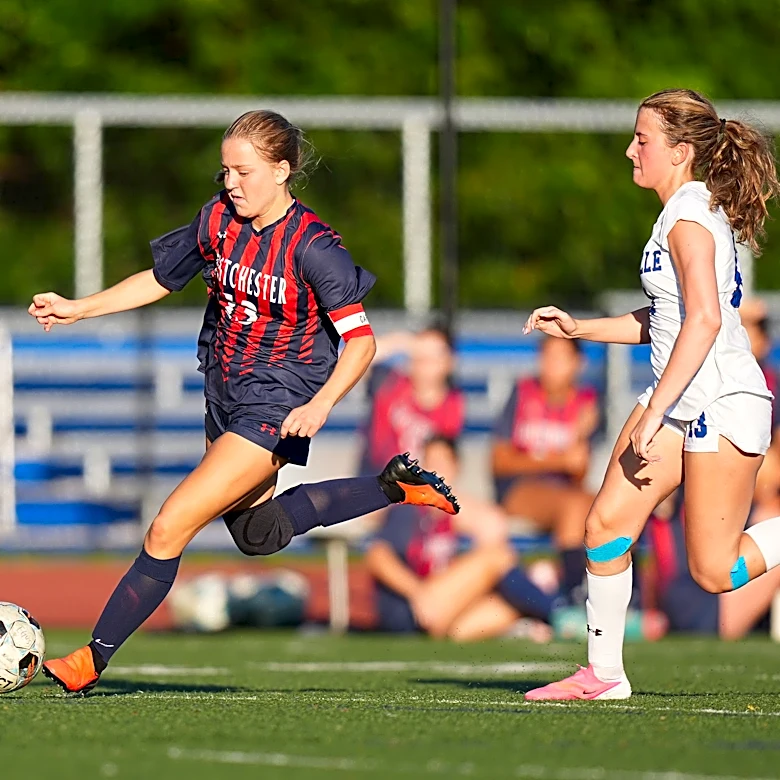


About a year and a half ago, MLS NEXT announced it would use Quality of Play rankings for its U13 and U14 age groups.
The idea behind this method of evaluation aligns with what most parents, at least in theory, want to emphasize to their kids as they play youth sports.
Teams in those age groups are ranked by how they played tactically, with wins and goals de-emphasized and progress measured by players’ offensive and defensive actions, including their off-the-ball movements in games we sometimes don’t see. Standings are based on the rankings.
The rankings, and what Major League Soccer looks for within them, also reflect a poignant theme of USMNT head coach Mauricio Pochettino’s roster for four upcoming friendlies.
Pochettino, in his first roster
since the 2026 World Cup, is heavily balancing youth with experience, giving young players time to grow with an eye toward the 2028 Olympics.
It’s a way we can also look at our kids’ sports, surveying the big picture so they can get the most out of the experience – which may bring on losses and setbacks – with an eye toward an ultimate goal.
"We need to be careful," Pochettino said in the leadup to the roster announcement on Thursday, Sept. 17, "because when you are young – of course, you need to be confident. You need to have the trust in yourself, in the belief that you can perform and you can do well. But I think it's a limit, no? The balance is the most important.”
Pochettino released a roster that included 12 first-time call-ups. The average age of the roster is 22 years and nine months, more than four years younger than the 2026 World Cup squad.
According to Major league Soccer, 12 players on the new roster currently play in MLS, and nine of them are under 23, while the average age of the 10 MLS first-time call-ups is 19.71 years old.
MLS NEXT, the league’s youth program, focuses on developing elite soccer players while providing clubs with top-level coaching, training and competition. In the last two years, it has created a new competitive tier open its doors to more players.
Since adding the second tier, MLS NEXT has more than tripled in size to 53,000 players, 2,743 teams and 310 clubs.
The goal, says Luis Robles, MLS NEXT's general manager of sporting operations, is to give more kids and their families a soccer experience, but also a shot at playing in college, or perhaps beyond. MLS NEXT recently asked the 310 clubs how many of their players are now playing college soccer, and 1,661 players were named who competed in MLS NEXT last season.
“I was in Salt Lake City for Cup,” Robles says, referring to MLS NEXT Cup, which was held in May and included six age divisions starting at U13. “We had both tiers there. One of the coolest experiences in my mind is I was watching Academy Division (Tier 2) quarterfinal. It was Utah Celtic, who ended up becoming the national champions with about three dozen college coaches (present). And I was just asking them, ‘What's your take on all this? What do you think?’ And they said it shows that there's talent at every level in the country. And so by NEXT expanding to two different divisions, we're now able to give players and families more what they want, which is exposure to MLS academies, youth national teams, scouts, and the college game.”
At the same time, as costs of youth sports continue to increase and price families out, perhaps we can all consider more what athletic experiences do for our kids’ growth as individuals along the road to the pursuit of our goals.
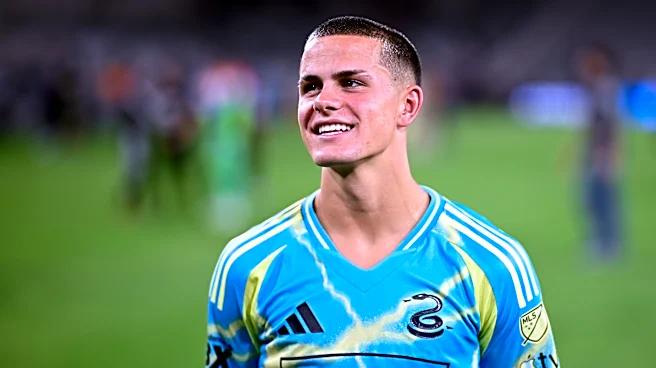
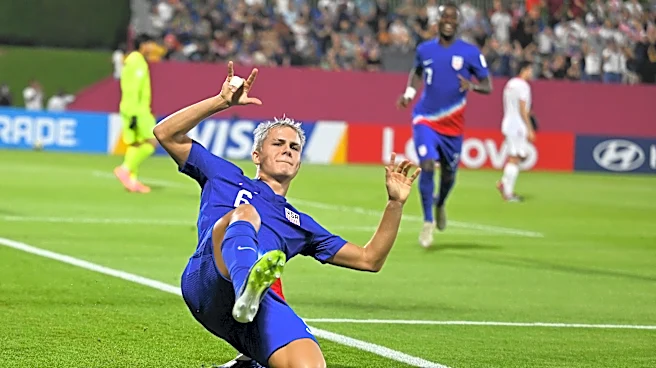
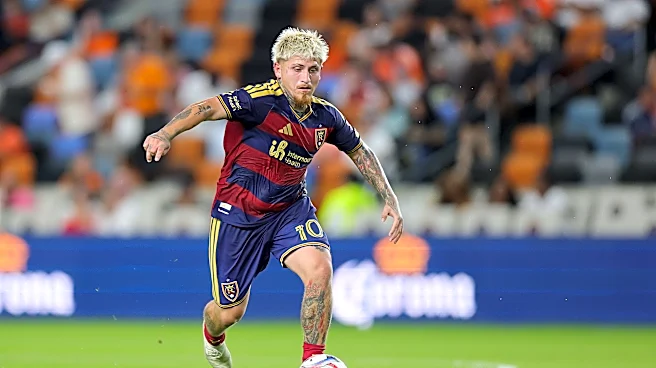
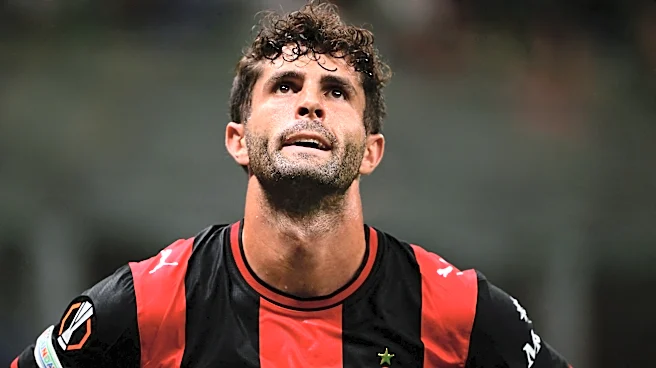
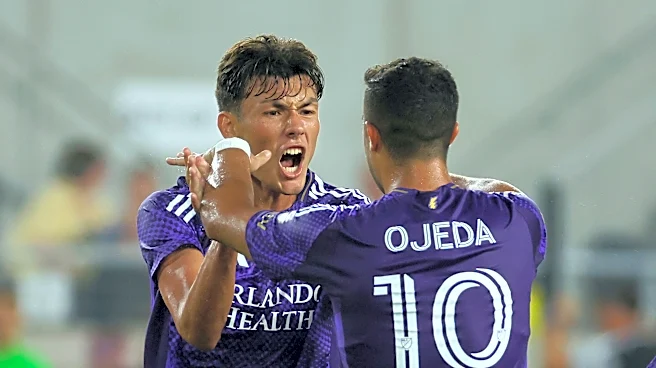
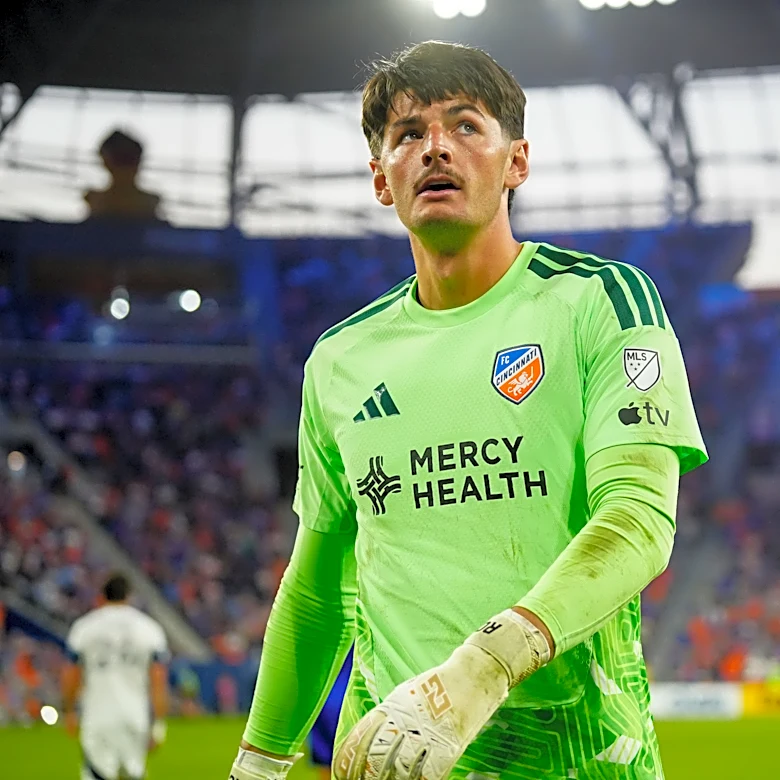
Cavan Sullivan, Julian Hall, Adri Mehmeti, Justin Ellis, Neil Pierre and Peyton Miller are all teenagers who currently play in MLS. Pochettino, who has signed a contract extension through the 2030 World Cup, is ensuring they can get those growth experiences as members of the national team and learning from more senior members among them.
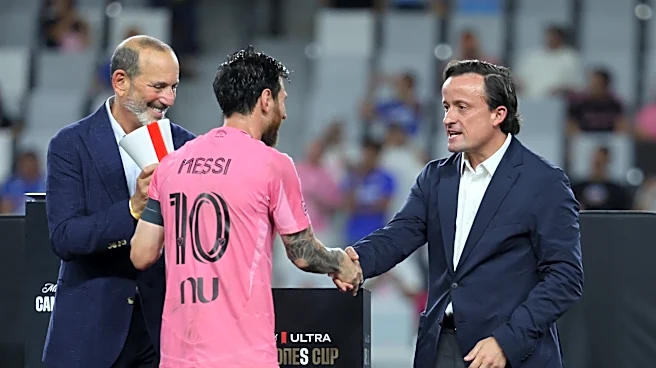
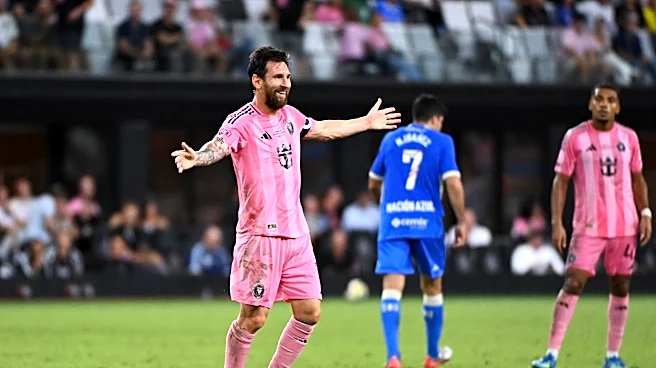
"One of our responsibilities is to protect these guys,” Pochettino said ahead of the official announcement, “because sometimes if you play well and you are 17, 16 or 18, and you play well and people start to talk about that you are Messi or you are a big star in the world because you do some few good things. If after you are confused and you don't manage well, that can be dangerous for your career and that is what we don't want."

Young athletes can get better on any number of teams, not just ones that put our kids on what we think is an elite track.
Robles, a former USMNT goalie, says every player in MLS NEXT has access to a video profile in Taka, the tool it uses for the Quality of Play rankings.
While their profiles (and videos) are available to college coaches, it’s also up to the players how they can utilize them.
“We want players to watch video because if they can see themselves, they're gonna see their highlights where they're doing really well, and it's gonna make them feel good, but they're also gonna get access to areas where they can improve, which is key to their own development,” Robles says.
The self-led method is a way we need to handle young athletes, especially, in MLS NEXT terms, in their transition from the development stages of U13 and U14 to more performance-based areas of U15 and up.
Robles has a 13-year-old son in MLS NEXT, a middle daughter who doesn’t play soccer, and youngest daughter who plays U11 locally. He understands the pangs of angst and joy parents can feel from the sidelines.
His advice for soccer parents: 1. Your child needs to be the author of their sports journey; 2. Don't make the car ride home from games their worst sports experience; and 3. Always try to find a way to make the experience fun.
“A parent plays different roles, such as driving them, supporting them financially, encouraging them, motivating them, reminding them,” he says, “but at the core of all of it is the child so that they're taking the initiative - I want to do this - and then that's where the parents can support.
"The car ride home is a moment where, and I feel it coming from my background, I just want to say to my kid, 'What were you thinking?' But I remind myself of what my dad did who had no soccer experience. He just asked me where do you want to get ice cream? What do you want to eat? Did you have fun? What was the best part of the game for you? He didn't analyze the game. He allowed me to be a kid. I remember being in the car with some of my friends and it was not that experience. It was a long list of all the things that they need to improve upon.
"Let's try to remind yourself that it’s fun. My wife says as she takes my son to practice, 'That's 30 minutes I'm in a car with him. He's forced to be in the car with me. I want to make the most of that time because it goes so fast.'"
As he has been on the sidelines, following his son and standing with other parents, he has felt a natural progression. MLS NEXT U13 and U14 teams, which are evaluated on Quality of Play – perhaps unselfish movements in games that help their team - can qualify for MLS NEXT Cup. When they get there, it’s about the competition.
“In America, competition is part of our DNA,” Robles says. “We wanted to compete at everything, and what we want to do through quality of play is continue to put the priority on development in key ages but not in any way eliminate competition.”
But Pochettino is sending the message that the development never really stops, and it helps us to step back and learn as we continue to improve.
Steve Borelli, aka Coach Steve, has been an editor and writer with USA TODAY since 1999. He played baseball in high school, rowed in college and spent 10 years coaching his two sons’ baseball and basketball teams. He and his wife, Colleen, are now sports parents to a college and high school baseball player.For his past columns, click here.
This article originally appeared on USA TODAY: Pochettino, MLS show parents how to take long view with youth athletes