
Missed the Buck Moon? Don't worry, August's full moon has a big show in store.
Not only will next month's full moon be bright and big, but it will also give us a partial lunar eclipse visible throughout
North America, according to NASA.
There are multiple types of lunar eclipses. During a partial lunar eclipse, only a part of the moon will be covered by Earth's shadow. This is different from a total lunar eclipse, which happens when the entire moon is covered by our planet's shadow.
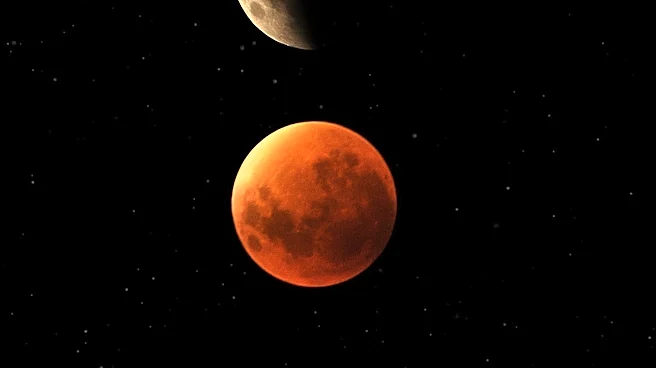
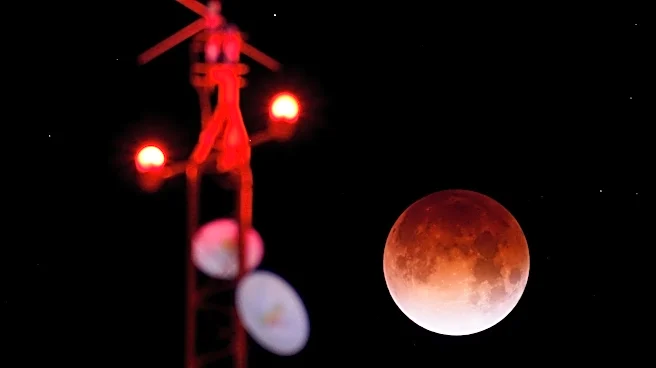
During the lunar eclipse in August, only 96% of the moon will be covered, reported Space.com. Because it is so close to being a total eclipse, it's being called an "almost blood moon."
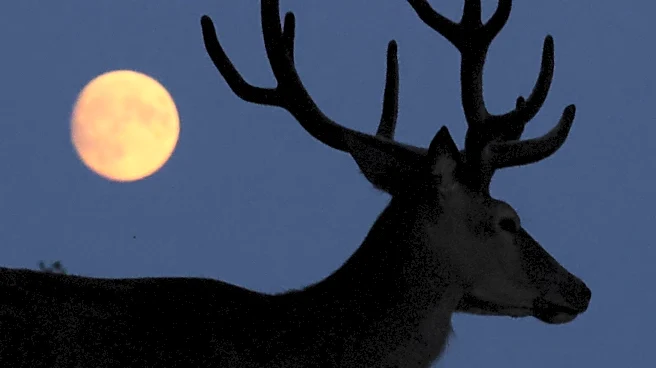
The moon, also known as the Sturgeon Moon, will be the last full moon of the summer season. After August, the next full moon won't occur until Saturday, Sept. 26, which is after the autumnal equinox on Sept. 22, which is the first day of fall, according to the Old Farmer's Almanac.
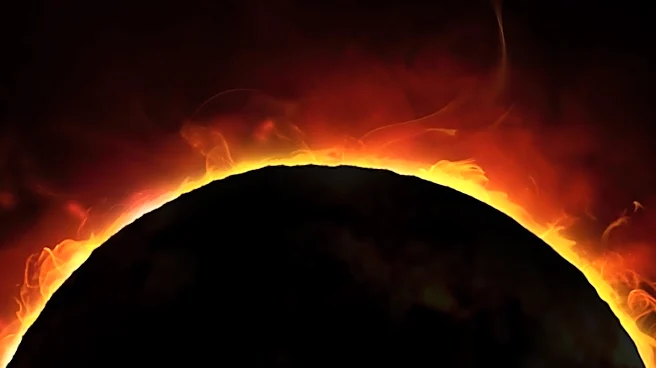
August is packed with celestial events. In addition to the lunar eclipse, there will also be a solar eclipse and the Perseids meteor shower will reach its peak, according to USA TODAY's previous reporting.
There will also be a planetary parade made up of six planets, according to Star Walk.
Here's what to know about August's full moon and what to expect.
When is the August full moon?
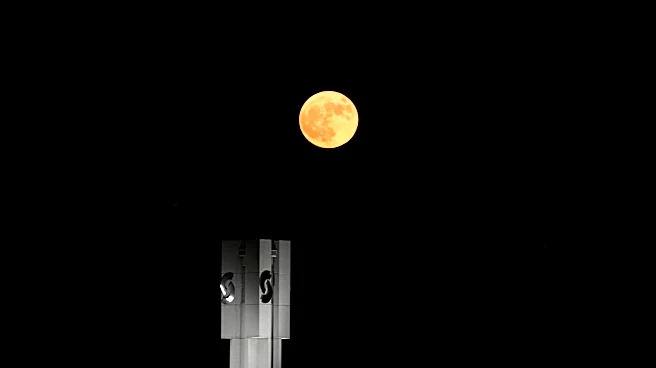
The Sturgeon Moon peaks on Friday, Aug. 28 at 12:18 a.m. ET, according to the Farmer's Almanac.
What time does the partial lunar eclipse start?
The eclipse will begin on Thursday, Aug. 27, at 9:23 p.m. ET, according to Time and Date. It will reach maximum eclipse, when the moon will be the most covered, on Friday, Aug. 28, at 12:12 a.m. ET.
Where is the partial lunar eclipse visible?
The partial lunar eclipse will be visible in the following areas, per NASA:
- North America
- South America
- Europe
- Africa
- The East Pacific
August full moon will be an 'almost blood moon'
A "blood moon" is a phenomenon that occurs when the moon appears red during a total lunar eclipse.
"When this happens, the only light that reaches the Moon’s surface is from the edges of the Earth’s atmosphere," according to NASA.
It happens because air molecules in our planet's atmosphere scatter the blue light, and the remaining light reflects off the moon, making it appear red.
Since the partial lunar eclipse in August will only cover 96%, it is considered an "almost blood moon."

Why is it called the Sturgeon Moon?
The Sturgeon Moon’s name comes from the sturgeon, a freshwater fish that was once abundant in the Great Lakes in North America around this time of year, according to Time and Date. Sturgeon can measure over 6 feet long and weigh around 200 pounds.
The fish dates back 136 million years, according to the Old Farmer’s Almanac. Native Americans living near the Great Lakes and Lake Champlain once caught the fish during late summer, and it became a regular part of their diets. Today, there are about 29 species of sturgeon.
What are some other names for the Sturgeon Moon?
Other names for the Sturgeon Moon include the following, according to the Old Farmer's Almanac:
- The Corn Moon (Algonquin and Ojibwe people)
- The Harvest Moon (Dakota people)
- The Mountain Shadows Moon (Tlingit people of the Pacific Northwest)
List of remaining full moons for 2026
Here are the rest of the full moon dates for 2026, according to the Farmer's Almanac:
- Harvest Moon: Peaks Sept. 26 at 12:49 p.m. ET
- Hunter's Moon: Peaks Oct. 26 at 12:12 a.m. ET
- Beaver Moon (super moon): Peaks Nov. 24 at 9:53 a.m. ET
- Cold Moon (super moon): Peaks Dec. 23 at 8:28 p.m.
Julia Gomez is a Trending reporter for USA TODAY and covers space phenomena, scientific studies and natural disasters. Connect with her on LinkedIn, X, Instagram, and TikTok: @juliamariegz, or email her at jgomez@gannett.com.
This article originally appeared on USA TODAY: Your next chance to see a full moon in August comes with a bonus