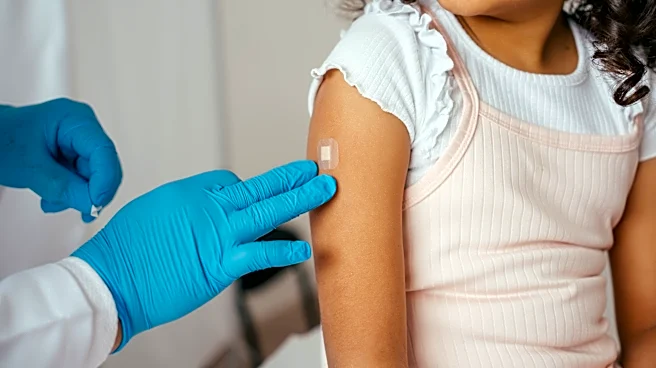

More Americans say childhood vaccinations are important for parents to give their children, according to a new Gallup poll, although support remains below levels recorded more than two decades ago.
The
survey found that 72% of U.S. adults consider childhood vaccinations extremely or very important, up from 69% in 2024. The share who said vaccinations are "extremely important" increased 7 percentage points to 47%, while 25% said they are "very important."
Still, those numbers remain notably lower than Gallup's 2001 findings, when 94% of Americans said childhood vaccinations were extremely or very important. At the time, 64% considered them extremely important.
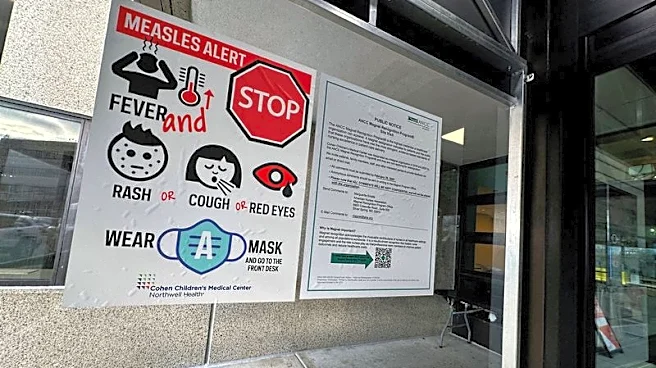
The findings come as the United States faces a historic measles outbreak and renewed debate over childhood immunization recommendations. Gallup surveyed from Oct. 1-19, before the Nov. 17 announcement that the country had lost its measles elimination status, a designation it had maintained since 2000.
Democrats and Republicans differ on childhood vaccination importance
The poll found a significant partisan divide in how Americans view childhood vaccinations.
About two-thirds of Democrats and Democratic-leaning independents said it is extremely important for parents to vaccinate their children, compared with 27% of Republicans and Republican-leaning independents.
When combining respondents who said childhood vaccinations are extremely or very important, support reached 91% among Democrats, compared with 50% among Republicans.
Most Americans disagree vaccines are more dangerous than diseases
Despite differences in attitudes toward childhood immunizations, most Americans do not believe vaccines are more dangerous than the diseases they are designed to prevent.
Gallup found that 78% of respondents disagreed with that statement, while 17% said vaccines are more dangerous than the illnesses they prevent.
The survey also examined Americans' beliefs about a possible connection between vaccines and autism. Forty-six percent said vaccines do not cause autism, while 16% believed they do. Another 38% said they were unsure.
The findings reflect growing divisions over vaccine safety. Among Republicans, 32% said vaccines are more dangerous than the diseases they prevent, compared with 5% of Democrats.
US loses measles elimination status amid vaccine debate
The Gallup findings come as the United States experiences its worst year for measles cases in more than three decades, with infections more than double last year's total.
On Nov. 17, the country lost its measles elimination status after more than a year of sustained domestic transmission. The designation had been in place since 2000.
Several states, including Texas, New Mexico, New York, Pennsylvania and Wisconsin, have reported measles-related deaths. On Nov. 23, the Pennsylvania Department of Health confirmed the state's ninth measles-associated death, bringing the outbreak's reported totals to 1,638 cases and 330 hospitalizations.
The federal government's approach to childhood vaccinations has also drawn attention. President Donald Trump signed an executive order calling for a review of the U.S. childhood vaccine schedule and greater flexibility in vaccination recommendations. Health and Human Services Secretary Robert F. Kennedy Jr. has also pursued changes to federal immunization guidance.
Meanwhile, Gallup found that 56% of Americans believe the government should require parents to vaccinate their children against contagious diseases such as measles. Another 40% said the government should stay out of the decision.
The survey included 1,200 U.S. adults and was conducted Oct. 1-19, 2026.
Reporter Anthony Thompson can be reached at ajthompson@usatodayco.com or on X @ athompsonUSAT.
This article originally appeared on USA TODAY: Support for childhood vaccines in US rises, new poll finds