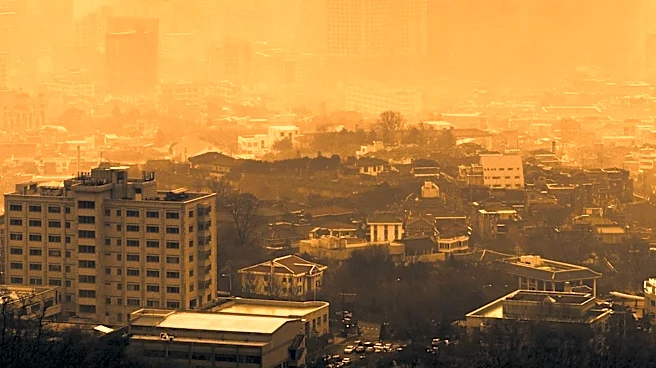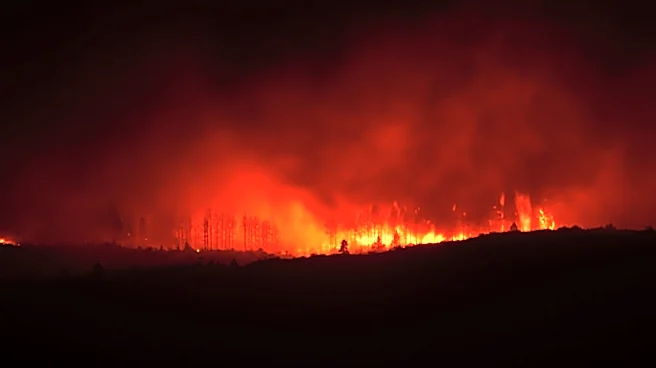

Wildfires blazing in the West have spread hazardous smoke into several states, sending two U.S. cities into the top rankings for worst air quality in the world.
Seattle and Portland ranked in the top 10
major cities for worst air quality in the world early on the morning of Aug. 6, according to IQ Air's tracker. Pockets of bad air quality, ranging from unhealthy for sensitive groups to hazardous to all people, were spreading in parts of Washington, Oregon and western Idaho as firefighters work to contain blazes.
There are 49 uncontained large fires burning in Washington and Oregon as of Aug. 6, according to the National Interagency Fire Center. The Northwest is seeing the largest fire activity, but across the whole country, there are 94 active, uncontained large wildfires burning, according to the center.
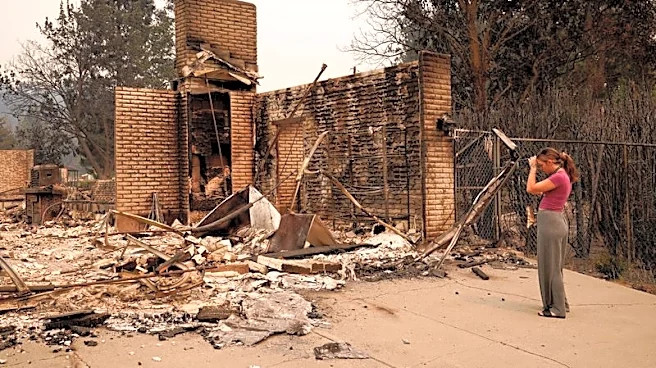
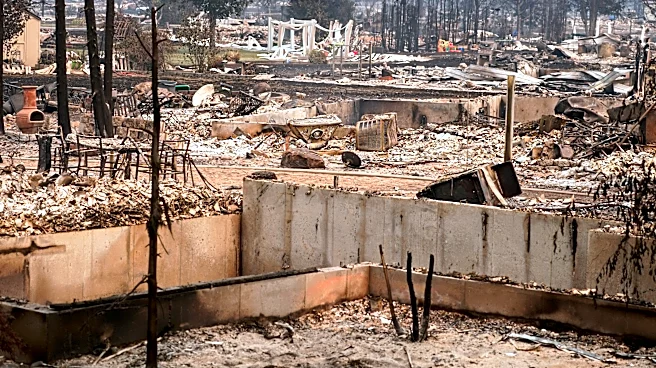
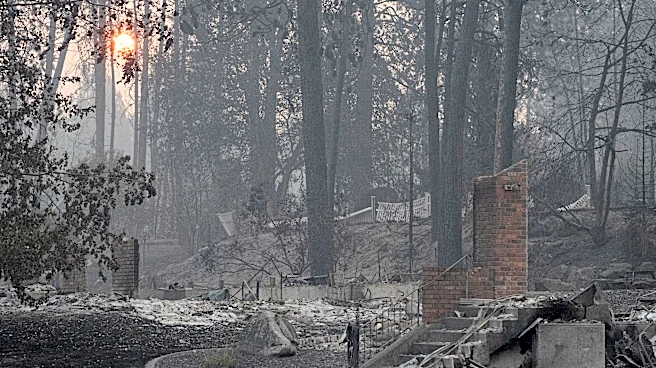
Among the fires are three major wildfires in the Spokane, Washington, area, which have forced tens of thousands to evacuate and destroyed hundreds of homes and other structures.
Wildfires rage in Pacific Northwest
In Washington State, the Sinlahekin Fire, caused by lightning about 12miles west of Tonasket, has burned more than 120,000 acres since July 26. The Little Giant Fire, also caused by lightning on July 15 about 30 miles northwest of Leavenworth, has grown to 74,000 acres.
Oregon fires, including the Big Grass (358,959 acres), Coleman Creek (309,803 acres) and Rowe Creek Complex (344,834 acres) blazes, are among the nation's largest, the National Interagency Fire Center said.
The fires burning near Spokane have encroached on residential neighborhoods, turning homes to ruins. The Spokane Complex, which consists of the Old Trails Fire, Fairview Fire and the Autumn Lane Fire, has been active since Aug. 1 and has burned more than 10,500 acres. The three blazes are believed to be human-caused, and one person, 37-year-old Aaron F. Farinacci, was arrested and charged with arson in the Old Trails Fire.

Map shows US air quality
How to stay safe from wildfire smoke
Wildfire smoke can cause symptoms such as burning eyes, runny nose, scratchy throat, difficulty breathing, headaches and bronchitis. Those most at risk include children, older adults, people with health conditions including heart or lung disease, and those who are pregnant.
Experts say the best way to stay safe from wildfire smoke is to stay inside. If you must go outside, you can wear an N95 or similar face mask to protect yourself from breathing in the dangerous particulates in smoke.
While inside, keep windows and doors shut. You can run air purifiers or make your own; one example is a Corsi-Rosenthal box made from simple materials that include an air filter, box fan and duct tape. Don't use fireplaces, candles or vacuums, and don't smoke.
Map shows the spread of wildfire smoke
This article originally appeared on USA TODAY: Wildfires spread hazardous smoke across multiple states. See maps