

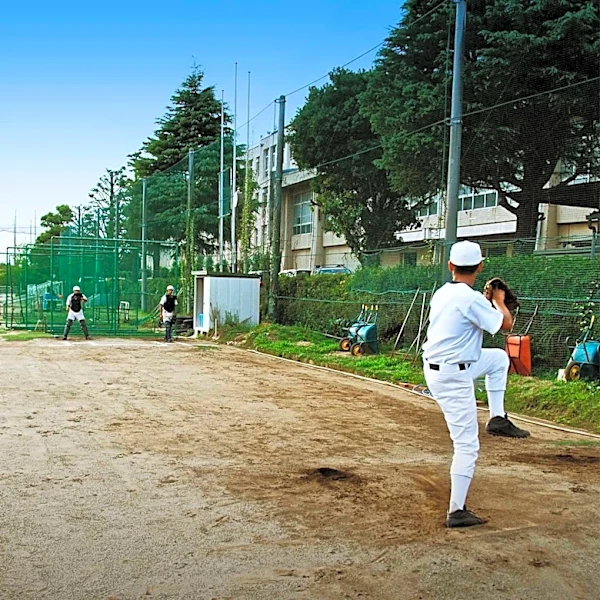




Rattlesnake warnings are popping up across Texas as snakes become more active, with recent sightings reported at schools, athletic fields and other places where people and pets spend time.
In and around Abilene, multiple organizations have recently warned about rattlesnake encounters. Big Country Vet Clinic in Abilene warned pet owners Monday after seeing eight snakebite cases in a single day. The clinic said changing temperatures can cause snakes to move around more, increasing the chances of encounters with people and pets. Dogs can be especially vulnerable because they may try to investigate a snake.
The warning came as other organizations in the West Texas region reported sightings. Nearby, Wylie Fastpitch Softball recently warned that rattlesnakes
had been spotted on the field where the team plays at Lake Kirby and around the complex. Lake Kirby is on the southeast side of Abilene.
About 20 miles west of Abilene, Merkel High School also recently warned students, staff and families about an increase in rattlesnake sightings on campus. The snakes have mostly been spotted on walkways, in tall grass and brush, and around building edges, according to the school. Officials urged people to leave the snakes alone and report sightings immediately.
Although rattlesnakes can be dangerous, they generally don't seek out people. A snake is more likely to bite when it feels threatened, is surprised, or is handled.
Rattlesnake warnings popping up across Texas
The cluster of warnings comes as other communities around Texas are also urging residents to watch for rattlesnakes.
In South Texas, Riviera Independent School District issued a safety advisory ahead of a recent home football game because of what it described as an "increased presence of rattlesnakes in the area."
Parents were specifically warned not to let children play in the long-jump area or underneath stadium seating. The district did not say how many rattlesnakes had been spotted around the facility or whether any had entered spectator areas.
Riviera is about 15 miles north of Kingsville and roughly 40 miles southwest of Corpus Christi.
Are rattlesnakes more active in September?
Rattlesnake populations aren't growing. Encounters may become more frequent as temperatures change and snakes adjust their activity and movement patterns, according to the Arizona Game and Fish Department.
Rattlesnakes are ectothermic, meaning they rely on environmental temperatures to regulate their body temperature. They may be less active during the hottest parts of the day and more active when temperatures are more favorable.
That doesn't necessarily mean there are more rattlesnakes in September. Rather, changes in snake behavior and movement can increase the chances of people and pets crossing paths with them.
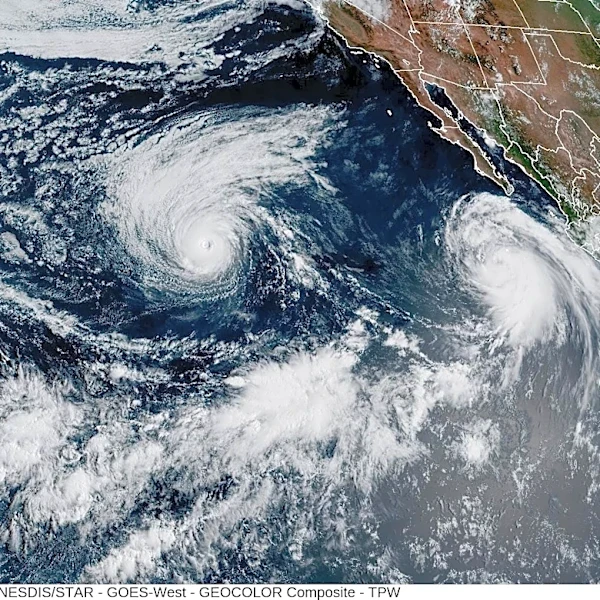
Could Edouard's rainfall push snakes into new areas?
Heavy rainfall and flooding can displace snakes from their normal hiding places, potentially pushing them toward higher, drier ground and closer to homes, roads and other places where people may encounter them, according to Texas A&M AgriLife Extension.
Could wildfires be changing where rattlesnakes are found?
Wildfires can disturb wildlife and alter habitat, potentially causing snakes to move away from burned areas or seek new places for shelter and food. Experts say the effects can vary depending on the fire and the surrounding habitat.
How many types of venomous snakes are in Texas?
Although there are more than 100 snake species and subspecies in Texas, there are only four groups of venomous snakes in the state. If you can safely identify them, you have a better chance of avoiding bites.
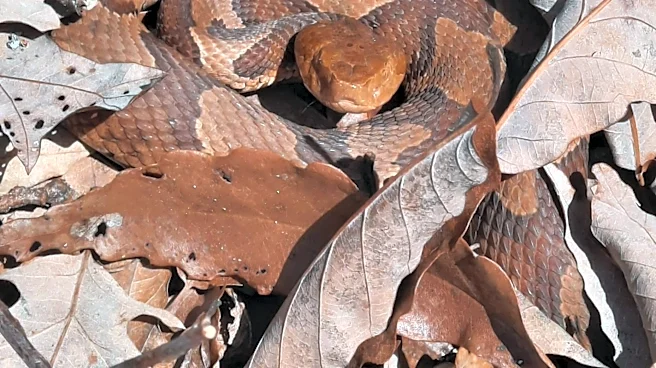
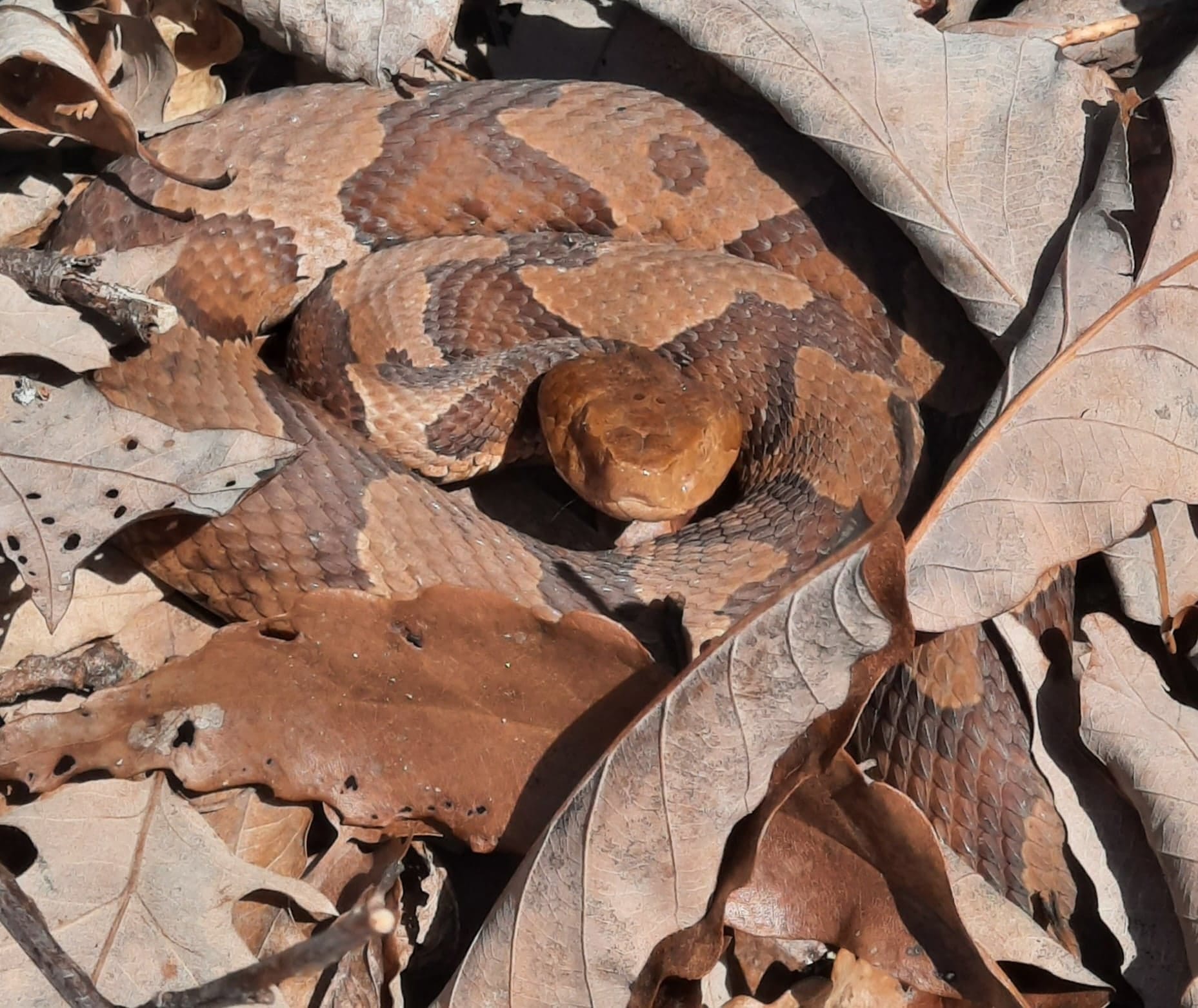
Copperheads have light-colored bodies with reddish-brown circular bands. They tend to live in rocky areas and wooded bottomlands that have ample moisture. They grow to be about 2 feet long, and their bites don't normally kill humans because of their short fangs and minimal venom. There are three subspecies of copperheads in Texas, and their patterns vary.
Coral snakes have red, yellow and black rings around their bodies. They grow to about 2½ feet and live in woodlands and canyons. Their bites deliver one of the most lethal types of venom in North America. However, their behavior is typically more elusive, and they often retreat from signs of danger rather than confront potential threats.
Cottonmouths — also known as water moccasins because they tend to live in swamps, lakes and rivers — are usually dark brown, olive green or black, with wide, dark bands along their bodies. They grow to about 3½ feet long. If threatened, cottonmouths will display white tissue inside their mouths, from which they get their name.

Rattlesnakes come in various forms. The most common rattlesnake throughout Texas is the western diamondback rattlesnake, which has a brown body with dark brown, diamond-shaped markings down the middle of its back and black-and-white alternating rings near its rattle. They grow to about 4 feet in length, but they can reach 7 feet.
What to do if a rattlesnake rattles at you
Here's what to do if a rattlesnake rattles at you, according to a recent story from the Arizona Republic:
- Stop and stay calm: If you hear the distinct rattle of a rattlesnake, stop immediately. Panicking or making sudden movements can agitate the snake further.
- Assess the situation: Determine the rattlesnake's location and give it space. Back away slowly and cautiously, while keeping your eyes on the snake to monitor its movements.
- Maintain distance: Keep a safe distance from the rattlesnake. Remember, they typically strike only if they feel threatened or cornered. Give the snake plenty of room to retreat.
- Do not approach or agitate: Avoid handling or provoking the snake. Refrain from throwing objects at it or trying to move it. Stay still and let the snake move away on its own.
- Leave the area safely: Once you've safely distanced yourself from the rattlesnake, carefully leave the area. Avoid walking through tall grass, rocky areas or other places where snakes might hide, such as wildflower or bluebonnet patches.
- Seek medical attention if bitten: If you or someone else is bitten by a rattlesnake, seek medical attention immediately. Call emergency services or go to the nearest hospital. Do not attempt to treat the bite yourself.
What to do if a venomous snake bites you
Here's what to do if a venomous snake bites you, according to a recent story from the Arizona Republic:
- Stay calm: Panicking can increase your heart rate and spread the venom more quickly.
- Call for help: Call 911 immediately. Time is of the essence.
- Immobilize the bite area: Keep it immobilized and positioned at or slightly below the level of your heart. This can help slow the spread of venom.
- Remove jewelry and tight clothing near the bite site. Swelling can occur rapidly, and these items can constrict blood flow.
- Do not apply ice or a tourniquet: Contrary to popular belief, applying ice or using a tourniquet can worsen the effects of a venomous snakebite by slowing blood flow.
- Do not attempt to suck out the venom: This is ineffective and can cause further damage to the wound.
- Go to a hospital or urgent care center: If possible, have someone drive you to the nearest hospital or medical facility equipped to handle snake bites. If an ambulance is available, it might be best to wait for emergency medical personnel to arrive. Note that all pit vipers — cottonmouths, copperheads, and rattlesnakes — require the same antivenin, and most hospitals have a good supply on hand.
Brandi D. Addison covers weather across the nation as the Weather Connect reporter for the USA TODAY Network and contributes to Texas Connect coverage across the state. She can be reached at baddison@usatodayco.com. Follow her on Facebook here.
This article originally appeared on USA TODAY: Rattlesnake warnings surge across Texas as pets, people at risk