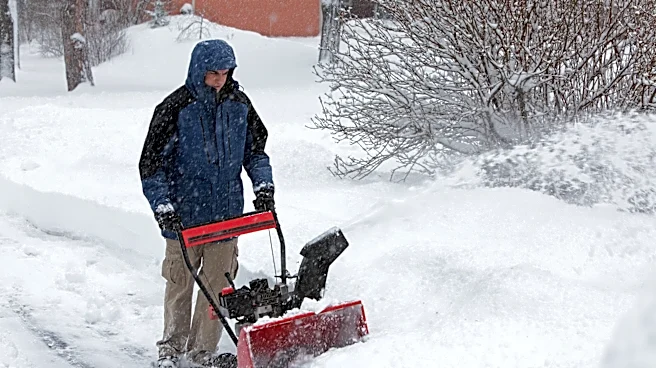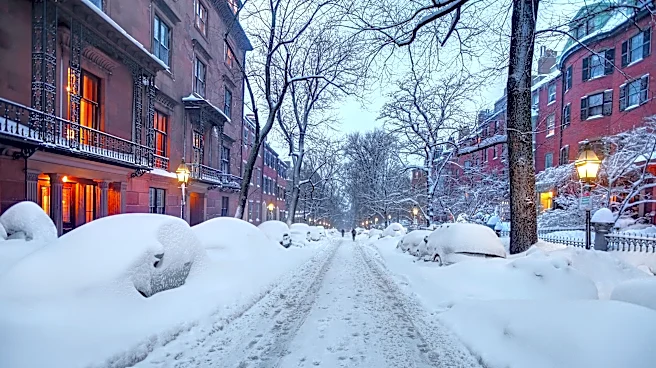

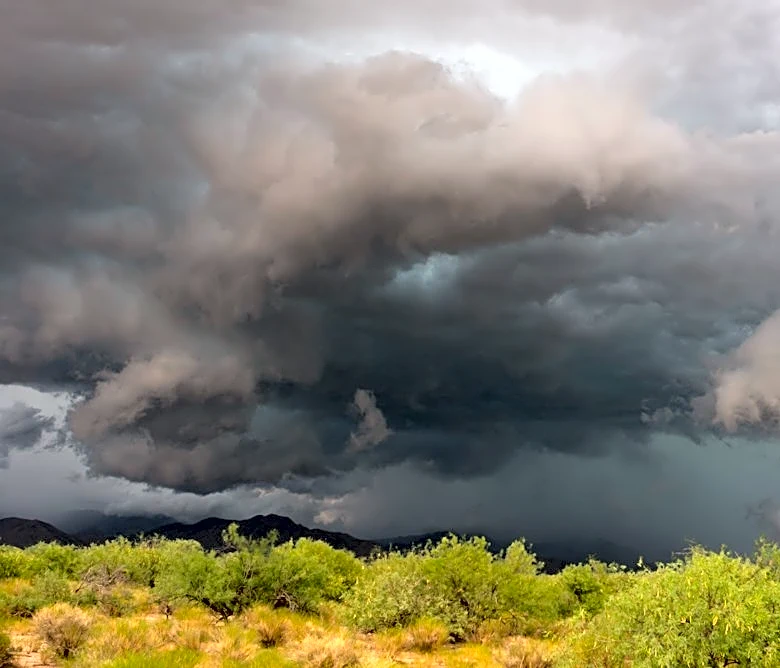







Advance preparation is incredibly important when gearing up for any extreme weather event. Weatherizing your home should be the first order of business when snow, deep freezes or blizzards are in your near-distant future. With Halloween upon us and winter fast-approaching, we've reached out to some experts and leveraged our own expertise to help you prepare.
From things as rudimentary as knowing where your blankets are in your home, to pre-purchasing enough food and water for a week or more without power, we've got something for people in every possible circumstance this winter. Snowstorms are only getting more extreme, and you owe it to yourself to be ready when they hit.
prepare
How to prepare your home for a winter storm
Before you tackle any home preparedness measure, it's always a good idea to have a comprehensive home toolkit. We recommend the following set, as it's affordable and has all that you need to get started, including pipe-compatible pliers.

DEKOPRO 228-Piece Toolkit
Having a tool set is a must for any homeowner, whether you're just starting out, or have had your house for 20 years.
Shop this toolkit to ensure that you're fully covered.
"If there is a deep freeze event on the horizon for your area there are many things you will want to do to prepare," says Russell Dent, the VP of Paul Davis Restoration. "Much of the preparations will depend on where you are in the country and what your climate is. In the Northeast, homes are built to withstand such an event much better than those in the South or Southwest of the country."
Along with this, Davis outlined several prominent areas in your home that you should check before extreme weather, including the following.
Inspect exterior water sources
Conduct a thorough walkaround of your home to check all exterior water outlets like hose spigots. Similarly, you should check any exposed pipes in your basement that are close to exterior walls. Be sure that they're shut off, and all lines are clear of water; shutting these off often requires no tools. Note that, if pipes freeze, you likely won't notice until they at least partially thaw.
Check your roofline
Most contractors recommend a 6:12 pitch for your roof to ensure consistent snow and water runoff. This means that you have at least six inches of vertical change for every 12 inches of horizontal run. Lower pitches can result in snow melting and refreezing before your gutter line, which can damage your shingles and lead to expensive repairs. Purchasing heat tape or cable can help mitigate this.

HeatIt De-Icing Cable, 240-foot
Purchasing an electrical solution like this can keep ice buildup on your roof from causing damage to your shingles or gutters.
Shop this roofing and gutter safeguard now.

Vevor Roof Rake
If you'd rather not work at heights to install the heating cord listed above, a roof rake is a good alternative for clearing the edge of your roof after snow, before ice can form.
Shop this roof rake to keep your shingles and gutters clear of snow and ice.
Test your HVAC systems
Get your HVAC system serviced before each winter to ensure optimal performance under heavy work loads in a storm. If you're due for a replacement, looking into your options and deciding between an electric heat pump or gas or oil furnace can help you to keep energy costs down.
Buy a home generator
Having a clear and sheltered area for a home gas generator to operate outdoors is a must if you expect a longer outage. Gas generators are necessary for long-term power grid failures, while an electric power bank or battery pack can suffice for single-day stretches with no power.
I recently had the chance to test an electric option, the UDPower S2400, and was pleased with my results. On a single charge, I could have powered my refrigerator for 14 hours, and I noticed no dips in temperature during the time I had my power bank connected. For gas-powered options, Home Depot has a few intriguing picks from Westinghouse, Honda and more.

UDPower S2400
Electric power banks can be tough to shop for, but this one met every output expectation it advertised. Give this a try for shorter-term, lower-demand power outages.
Shop this excellent electric option today!

Westinghouse Dual Fuel Generator
This generator comes with a CO sensor, digital readout screen and 14 hours of continuous run time with no fill ups. Primarily used as an RV unit, this is another great pick for intermediate electrical output.
Check out this affordable option now.
What to put in your winter storm emergency survival kit
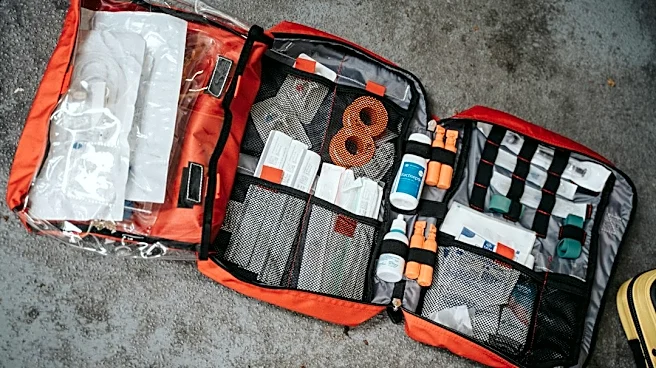
A full-scale survival kit always starts with a first aid kit. You might not realize how much you rely on readily-available hot water or medical assistance until you need it and don't have fast access to it. Of course, we're talking about a worst-case scenario, but it would serve you well to be prepared for this possibility.

SurviveX Large First Aid Kit
Save time by getting everything you should need in one fell swoop. This kit includes a splint, CPR mask, scissors, tweezers, gloves and numerous adhesive and non-adhesive bandages and wound dressings.
Ensure safety with this kit now.
Stephanie Fox, the national spokesperson at the American Red Cross, gave us a basic outline of things every home preparedness kit should have:
- Extra batteries
- High-calorie food and snacks
- Water
- Battery-powered flashlights or lanterns
- Extra prescription medication
Additionally, we think you should keep the following on-hand for any snow-related emergency:
- Functional snow shovel
- Ice melt or a similar compound
- Hand warmers
- Heat or space blankets
- Insulated sleeping bags
- Extra warm clothing for layering
- Duct tape
- Work gloves
- NOAA Weather Radio
- Portable power banks

Browning McKinley -30 Sleeping Bag
There are plenty of cheaper options available, but a sleeping bag that's rated to -30 degrees Fahrenheit is worth considering if you live in a Northern US region.
Amazon

Space Blanket Multi-Pack
Mylar reflective blankets are waterproof and keep up to 90% of your body heat in. These are both handy features in a cold-related emergency.
Shop these thermal blankets today
Food and water
The CDC states that when preparing for an emergency, one gallon of water per person per day is absolutely necessary as a bare minimum requirement. If you can't purchase enough packs of water in advance, you can at least get your hands on some easy-to-use water purification systems. Here are a couple of options that should work for anyone.

LifeStraw
This LifeStraw multipack offers more than enough water purification capacity. Each individual straw can provide 1,000 liters of clean water.
Maintain access to pure water anytime with this must-have item.
Next, buying enough non-perishable and calorie-dense food ahead of an expected outage is key to minimizing stress. Canned goods, dry food that require only water and heat to fully prepare, as well as high-calorie snacks will keep you fed if you lose electricity, or if your gas line service is affected.
Note that, in cold-weather situations, caloric needs can exceed the typical 2,000-calorie benchmark that comes to many people's minds. Temperature regulation and manual labor take a lot of energy, so planning for up to 3,000 calories or more per adult, per day is key.
Along with food for yourselves, you should prepare in advance for any of your furry family members. Keeping enough food and water to last at least a few weeks in case of emergencies is well-advised. At least one ounce of water per pound of body weight per day is recommended for larger dogs. Of course, we encourage you to follow your veterinarian's guidelines for any such preparatory measures.
Other tips and tricks
I would personally recommend that you purchase a single-burner camp stove for emergency situations. I can vouch for their ease of use. As a former Eagle Scout, I started using these at age 10 with... varying levels of supervision. They're simple to operate and easy to set up and stow away, and are excellent if you can't use your gas or electric cooktop.

Coleman Triton+ Camp Stove
Coleman was an ever-present brand for me during my scouting tenure, and its quality seems to have held up over the years. This particular model is larger and can heat multiple pans or pots at a time.
Shop this name-brand camp stove today.
Always use in a well-ventilated space, or with a battery-powered CO monitor to ensure safety. And, if I may impart one tip that I wish 10-year-old me knew: it's that some of these camp stoves can take a little bit to cool off after use.
Finally, keeping an emergency "go bag" with the following items is something that could be recommended during the worst storms. If you have a house with older trees close by, or are staring down the barrel of a truly once-in-a-decade storm, you might consider it. Courtney Klosterman, a home insights expert with Hippo Insurance, included the following items:
- Important documents such as birth certificates, wills, medical records, Social Security cards, passports, driver’s licenses, a list of emergency contacts, etc.
- Medicine
- Flashlights
- Batteries (multiple sizes)
- Snacks and water
- First aid kit
- Comfort items (especially relevant for children during stressful times)
- Phone charger and external charger
- Extra clothes
- Water bottles
- Pet supplies, food and leash
- Matches
- Walkie talkies
Car prep tips

🥇Sign Up Today & Get $300 Off Any Plan
- Enjoy a FREE year of Elite Benefits including tire coverage, collision discounts & more-
- 24/7 Roadside Assistance
- Choose your own certified mechanic
- Consistently #1 in Customer Satisfaction
- Get a free & fast quote now
View details
When winter rolls around, keeping a car survival kit in your vehicle's trunk is a recommended step to take for any motorist, whether you're an avid road tripper or daily commuter. Along with getting a set of all-season or snow tires, this should include:
- Ice scraper and brush
- Compact snow shovel
- Hand warmers
- First aid kit
- Extra blankets
- Bottled water
- Shelf-stable energy bars
- Reflective triangles or signals
- LED road flares

AstroAI Lightweight Aluminum Shovel
A portable shovel is a must in any road trip or general road safety kit. This option from AstroAI folds up nicely for storage under your car seat or in your trunk, and is a must when you're driving in winter. After 30-plus years in New England, I never leave home without one in my vehicle.
This portable shovel is perfect for your car's emergency kit
Or, if a catch-all kit is more to your liking, there are plenty of options available on Amazon or at other auto parts retailers.
How we assemble these guides
We leverage a blend of personal experience and expert insight to curate all of our guides and shopping lists. I personally have a lifetime of experience dealing with New England winters and blizzards, and Alora Bopray, the Home & Garden Editor, was born and raised in Minnesota. However, as a newer homeowner, there is always something that I'm trying to learn, or an area where I'm trying to upskill. For more specialized advice, we reached out to experts to inform some of our recommendations here.
All of the products featured are ones I would or have used to get through some pretty harsh winters. Of course, it's always better to not lose power. But, planning for the worst possible scenario can help you to avoid the stress of over-crowded stores right before a blizzard, or anxiety during as you hope for your local power grid to hold.
This article originally appeared on USA TODAY: Winter storm preparedness: Essential tips and goods to have on-hand
Our editors independently choose our recommendations. Some content is produced with paid support from a third party, however our editorial decisions remain independent. If you buy through our links, the USA TODAY Network may earn a commission. Prices and availability may change.