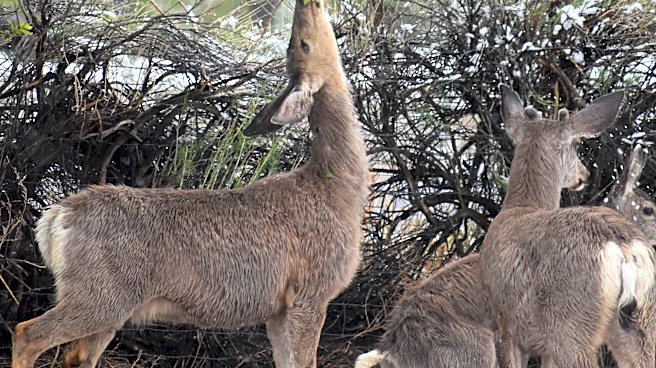







For nearly a hundred years, mule deer have roamed across the scenic but fragile ecosystem of Catalina Island in Southern California, ultimately becoming an ecological fixture and tourist attraction for folks who visit from the mainland.
That may soon change, as a tentative ruling by a Los Angeles County Superior Court judge will allow the Catalina Island Conservancy to proceed with its plans to kill the island's entire mule deer population.
Since March, the future of the mule deer population on the island has been at the center of a lawsuit filed by Safari Club International, the Coalition to Save Catalina Island Deer and several other organizations, after the California Department of Fish and Wildlife approved the organization's restoration management
permit, which would eliminate the deer from the island.
"The impact of invasive mule deer on Catalina’s native ecosystem is well documented, and the Conservancy has fully evaluated alternative approaches, none of which proved feasible given Catalina’s size and terrain," reads a statement from the Catalina Island Conservancy. "Complete removal of the non-native deer population is the only approach authorized by the California Department of Fish and Wildlife."

On Tuesday, Sept. 1, Judge Curtis Kin denied the preliminary injunction filed by opponents of the plan, requesting that the court pause the eradication of mule deer on Catalina Island.
In his argument, Kin noted that there will not be significant harm to the overall deer population from allowing the organization to begin its "Pre-Removal Assessment," which is intended to create "baiting sites" for future hunting.
The non-profit organization isn't scheduled to begin killing deer until June 2027, well after the court is set to release its ruling, which it plans to issue within the next 90 days.
As a result of the ruling, the Catalina Island Conservancy, which owns 88% of the island’s 48,000 acres, announcedon Tuesday that it will begin its "limited deer removal assessment," which will occur throughout September and October, and kill about 200 deer.
“Everyone who loves Catalina Island wants the same thing, a safe and healthy island,” said David Solomon, interim President and CEO of the conservancy, in a press release.
“For more than 50 years, the Conservancy has worked alongside the community to care for Catalina’s native plants, animals and wild places. We remain committed to protecting the Island we all value so deeply.”
Why are there deer on the island if they are invasive?
Unlike some of the few other animals on Catalina, the mule deer population was introduced to the ecosystem in the 1920s and has since become an invasive species on the island.

In 1928, two mule deer were brought to Catalina, then eight more were brought to the island two years later under a permit issued by the State Division of Fish and Game, according to the conservancy's Island Restoration Scientific Assessment.
“Because the deer had no natural predators on the Island, the population boomed to 2,500 in less than a decade,” the assessment says.
Since the deer population has no natural predators on the island to keep it in check, the island's challenges were exacerbated, according to the assessment.
As a result, the mule deer have disrupted the natural ecosystem balance by "eating native vegetation, slowing ecosystem recovery and allowing invasive grasses to spread," according to the organization.
“Invasive annual grasses now dominate 35% of the Island’s ecosystems and rebound quickly after fire, crowding out slower-growing native plants that help resist future burns."
Los Angeles Supervisor calls on Newsom to intervene
A day before Judge Kin denied the injunction, Janice Hahn, Supervisor for Los Angeles County's fourth district, sent a letter to California Gov. Gavin Newsom asking him to revoke the permit issued by the California Department of Fish and Wildlife.
In her letter, Hahn argues that eradicating the entire mule deer population could potentially have "serious unintended consequences" for the ecosystem and potentially increase the risk of wildfires on the island.
"The deer are currently eating vegetation that would otherwise become fuel for fires. Removing them would allow brush to grow uncontrolled, making future fires more likely and more dangerous," Hahn said in her letter.
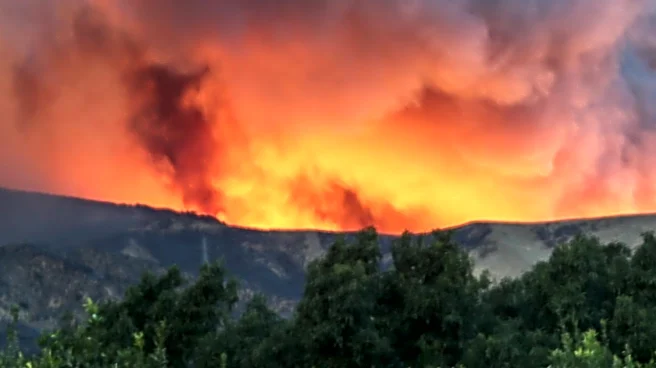
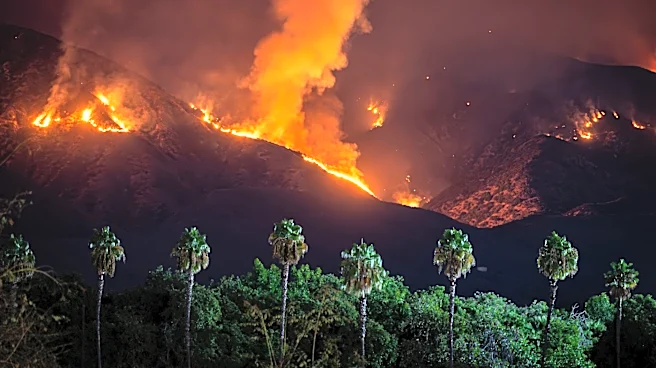
Notably, Hahn pointed to the recent fire on Santa Rosa Island as an example of the potential "devastating consequence" of eliminating an island's deer population. For decades, deer had populated Santa Rosa Island, but they were eradicated from the island at the end of 2011 to restore its native ecosystem and protect its natural vegetation.
"We now know that this fire started accidentally, but the conditions that are allowing it to rage were deliberate: the deer population that used to graze brush on Santa Rosa Island was wiped out in 2011. Now we are seeing how quickly fire can move through heavy, unmanaged brush," Hahn said in a press release opposing the plan in May.
"The Catalina Island Conservancy has a plan to do the same thing on Catalina. Our own Fire Chief Tony Marrone has said that eliminating the entire deer population would increase the risk of wildfire on the island. Their plan is dangerous, and we are witnessing the potential consequences on Santa Rosa Island right now."
What’s next in the Catalina mule deer program?
The conservancy said it will soon begin restoration within a fenced, 10-acre plot of land near Airport in the Sky, with efforts focused on "refining planting, seeding and monitoring techniques," according to the conservancy.
“The effort will then expand to a 105-acre high-priority restoration zone and scale across the Island in phases over multiple years,” the conservancy said.
The nonprofit said it will continue to host community meetings to help the public learn more about restoration efforts and ask questions.
Noe Padilla is a Northern California Reporter for USA Today. Contact him at npadilla@usatodayco.com, follow him on X @1NoePadilla or on Bluesky @noepadilla.bsky.social. Sign up for the TODAY Californian newsletter or follow us on Facebook at TODAY Californian
This article originally appeared on USA TODAY: California judge allows plan to kill deer on Catalina to move forward