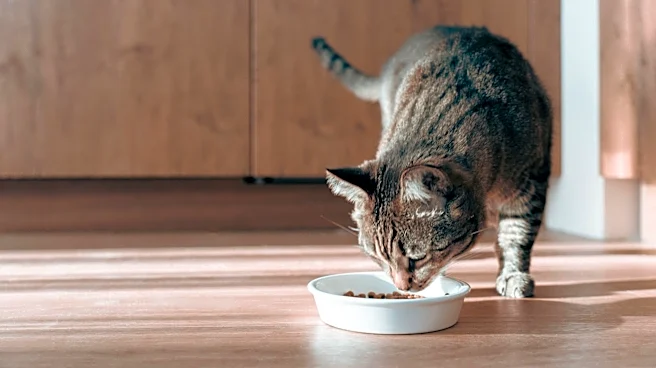








A new study found heavy metals in nearly all cat food products tested, including lead, which was detected in 99% of them, according to the nonprofit Clean Label Project.
Clean Label Project tested 100 cat food products from 62 brands for more than 122 environmental and industrial contaminants and toxins. The products included dry food, wet food and air-dried or freeze-dried food.
Cadmium was detected in 96% of the products, while arsenic was found in 94%, according to the organization's 2026 Cat Food Category Report released on Oct. 2. The study also found substantial differences in contaminant levels depending on the type of protein and food.
The findings do not mean the tested products are unsafe for cats, however. Clean Label Project said its
study was designed to compare contaminant levels among cat foods, not determine whether a particular product could cause illness or harm.
Clean Label Project also noted that each product in the study came from a single batch, so the results do not capture differences between batches of the same food. Most brands contributed only one product, limiting what the study can show about individual brands.
What did the study find?
Fish-based cat foods stood out in the testing, particularly for mercury.
Fish or seafood-containing products had about 18 times more mercury than other cat foods after accounting for whether they were wet or dry, according to the report. Among wet foods, fish-based products had about 28 times more mercury than wet foods made with other proteins.
Nearly half (48.6%) of fish and seafood products ranked among those with the highest mercury levels. None of the poultry-based products did.
Fish-based cat foods also had about 2.5 times more cadmium than other products.
Lead showed a different pattern. Dry cat food had roughly three times more lead than wet or air-dried food after accounting for calories. The researchers did not find that lead levels were tied to a particular protein source.
What other contaminants were found?
The study found glyphosate, a widely used weed killer, in 37% of the products. Its breakdown product, AMPA, was detected in 12%.
Products with more plant ingredients among the first 10 ingredients tended to have higher glyphosate levels. Each additional plant ingredient in that group was associated with about a 40% increase in glyphosate levels.
DEHP, a chemical used in some plastics, was detected in 48 of the 100 products. Among products where it was found, canned and pouched foods had about five times more DEHP than bagged products.
Other chemicals were less common. BPA was detected in two products and BPS in one. Acrylamide, which can form during high-temperature cooking, was measurable in four products and found at very low levels in another 24.
Instead of just looking at listed ingredients, Clean Label Project recommends that cat owners ask pet food companies whether they regularly test finished products for heavy metals.
Reporter Anthony Thompson can be reached at ajthompson@usatodayco.com or on X @athompsonUSAT
This article originally appeared on USA TODAY: Heavy metals found in 99% of cat foods tested in new study