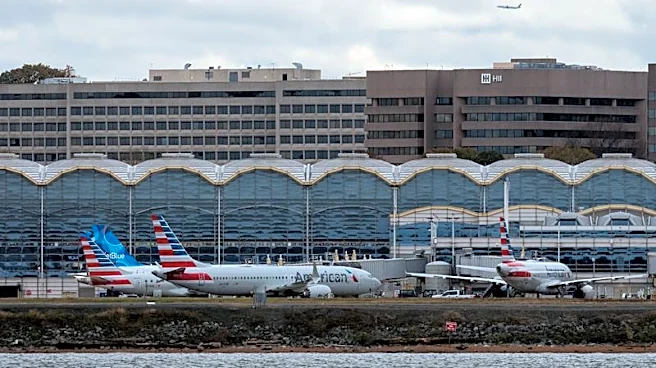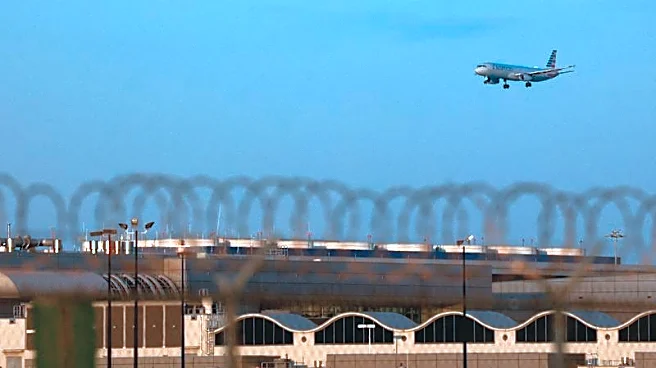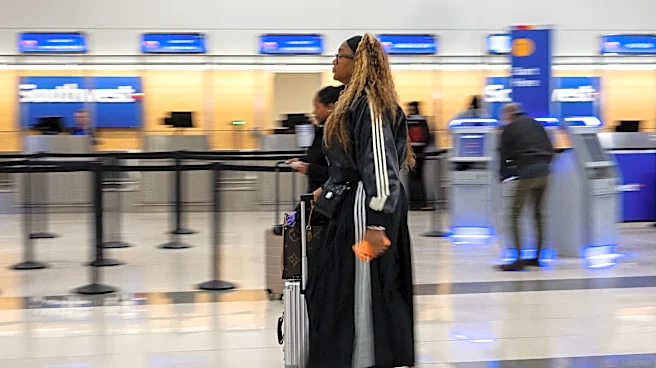




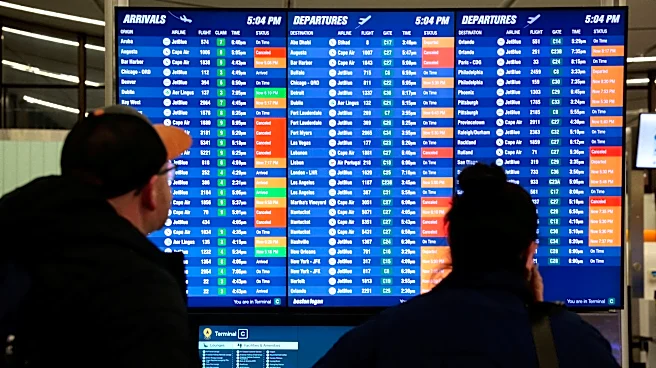
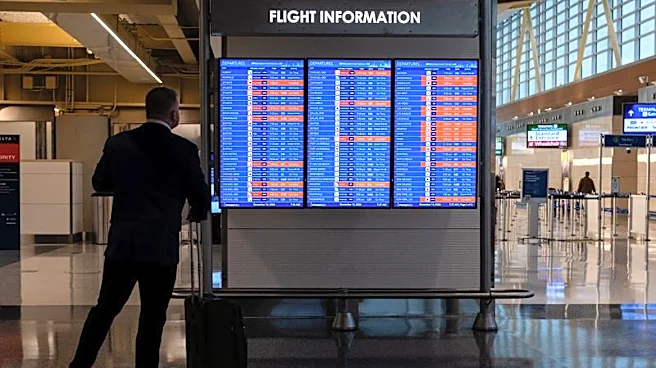
Flights appear to be getting back to normal following Nov. 13's nationwide ground stop, which heavily contributed to over 18,000 U.S. flight cancellations and over 27,000 delays through the weekend, according to data from flight tracking site FlightAware.
The Department of Transportation says the ground stop was declared out of an abundance of caution due to intermittent telecommunications and radar issues with Air Traffic Control systems amid efforts to modernize the Federal Aviation Administration’s old technology.
"As we have these analog legacy systems in place, stuff is going to happen. There are going to be incidences, and we don't know when they're going to occur and how they're going to occur, but they are going to occur,” aviation security
and safety expert Sheldon Jacobson told USA TODAY. Jacobson is a computer science professor at the University of Illinois Urbana-Champaign's Grainger College of Engineering.
In an update posted on its website late Nov. 15, American Airlines said it didn't expect any more broad cancellations related to the ground stop, but delays have been creeping up.
According to FlightAware, as of noon ET on Nov. 16:
- 4% of American Airlines flights were canceled and 18% delayed
- 3% of JetBlue’s flights were canceled and 11% delayed
- Less than 1% of Delta, Southwest and United flights were canceled, but 6% of Delta flights, 10% of Southwest flights and 4% of United's flights were delayed
"I am proud of each and every one of our United Airlines team members who worked tirelessly over the past few days to support our customers throughout the disruptions caused by the extraordinary FAA ground stop affecting the entire nation," United’s CEO Scott Kirby shared in a LinkedIn post. "Also, thanks to our customers for their patience as our teams worked to get them safely to their destinations and keep them informed along the way."
Some travelers are still making their way to their destinations, after rebooking their trips.

Why are flights delayed?
"In order to operate a flight, one must have a functioning and well-maintained airplane, a set of crew members who are legally allowed to operate that flight, and the set of passengers who want to fly that flight," aviation logistics expert Vikrant Vaze told USA TODAY by email. Vaze professor of Engineering and executive director of the Master of Engineering Management Program at Dartmouth's Thayer School of Engineering.
"When a large nationwide disruption like that on Friday evening happens, many airplanes, crew members and passengers get dispersed across the network and bringing them to their correct locations requires time," he added. "There is still a backlog of passengers who are not where they want to be, airplanes that have not had the correct level of maintenance and hence are getting held up from operations, and crew members whose schedules have been disrupted, which means that they cannot fly immediately. So, airlines are still doing a lot of complex maneuvers to bring things back to normal."
Vaze advised travelers to still check their flight status with their airlines and be as flexible as possible.
"I think that we should see more stable operations as the week continues to progress, but the system is still healing from the massive disruptions on Friday," he said. "Barring new disruptions, I expect (and definitely hope) that the holiday travel next week will be largely unaffected."
What are airlines offering?
Travelers whose flights were canceled were entitled to refunds if they chose to no longer fly, according to DOT rules.
Some airlines also offered refunds or flight credit to customers whose flights were significantly delayed, even though they weren’t required to because the ground stop was outside their control.
All carriers also offered fee-free rebooking to impacted travelers who chose to continue their journeys.
American: Customers with flights scheduled to, from or through select U.S. cities through Nov. 18 may cancel travel for a refund of rebook without fees for travel by Nov. 21. The list of cities is available on the travel alerts and advisories page of American’s website.
Delta: Customers with flights scheduled through Nov. 16 may cancel for flight credit or rebook for travel before Nov. 23 at no additional cost.
Southwest: Customers with flights booked through Nov. 16 may rebook without fees or travel standby within five days of their originally scheduled departure date. Travelers whose flights are significantly delayed may also be eligible for refunds if they choose to no longer fly, according to Southwest’s travel advisory online.
Frontier, JetBlue and United had offered waivers for customers with flights booked through Nov. 15, but there were no active ground-stop related waivers listed on their websites as of Nov. 16.
Details on other carriers are available on their websites.
Travelers insurance comparison site InsureMyTrip advises travelers to first work with airlines for rebooking, then if they purchased travel insurance, reach out directly to their policy providers on coverage and claims. "Travelers should also keep receipts and documentation of any disruptions or additional expenses," InsureMyTrip added. That includes things like meals, lodging and ground transportation not covered by airlines, due to the cancellation or delay.
(This story has been updated with new information.)
This article originally appeared on USA TODAY: Flight operations returning to normal after FAA ground stop