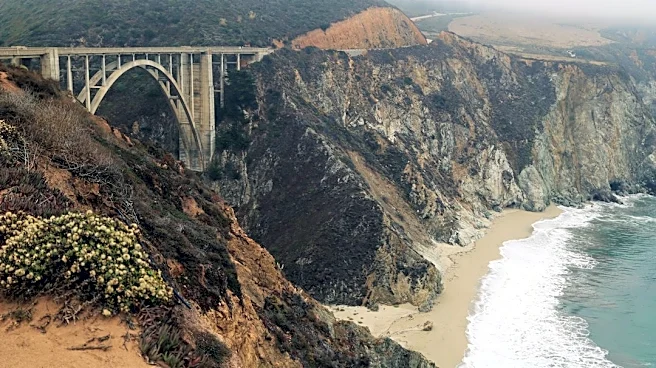



Weird things are happening in the Pacific Ocean, and life along West Coast beaches is about to get even more precarious.
An oceanic Kelvin wave, a kind of slow-moving planetary wave that carries energy and warm water across vast distances, is arriving along the California coast, said Daniel Swain, a climate scientist with the University of California Agriculture and Natural Resources.
"Sea levels are going to be noticeably higher than usual," Swain said.
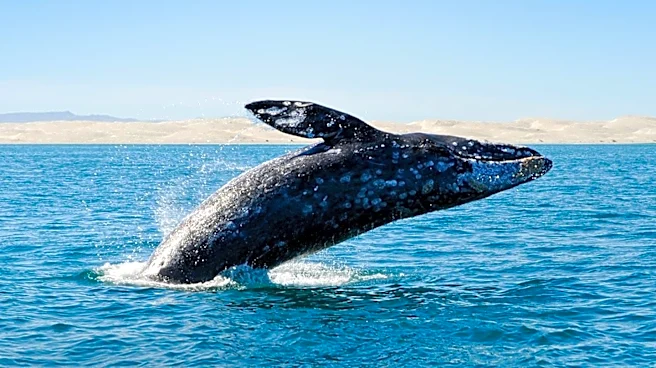

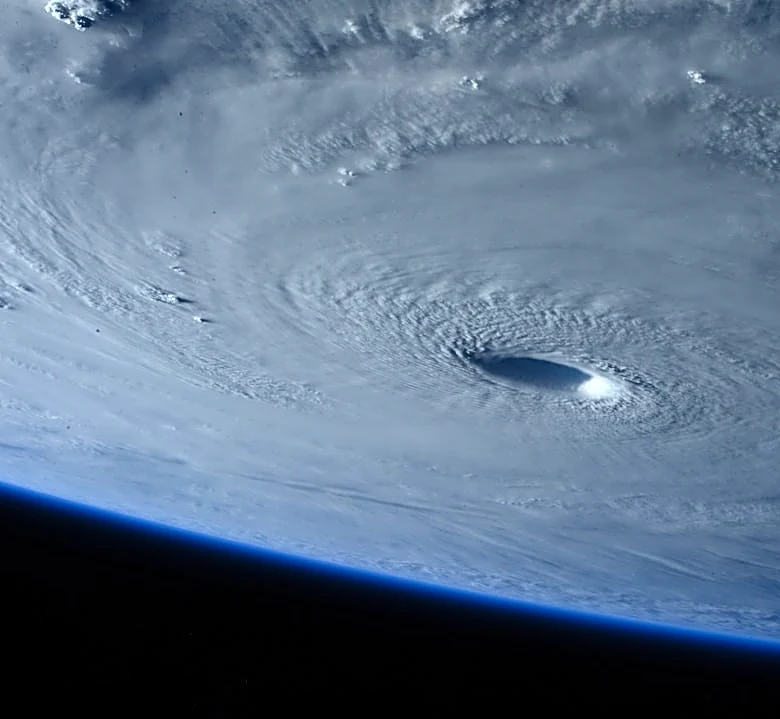
The wave comes amid a flurry of other oddities brought on by the strong El Niño: Warmer water temperatures along portions of the California coast, unusual sightings of sea life typically seen in warmer waters and a hyperactive hurricane season in the Pacific.
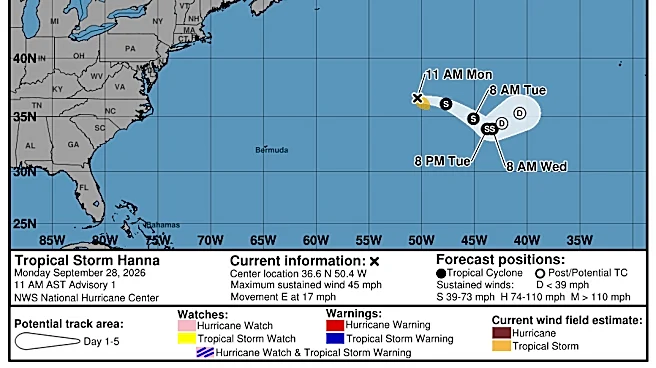
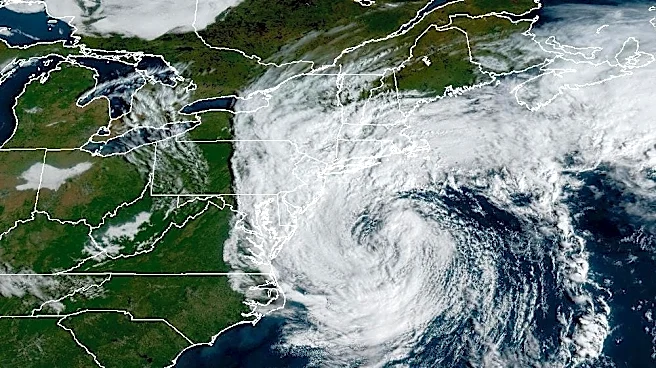
One hurricane after another is sending
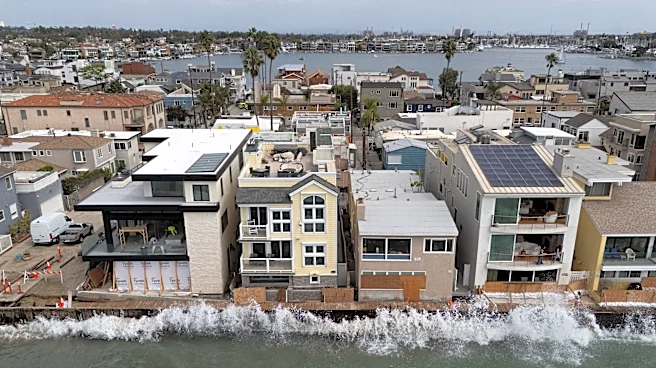
large swells from far offshore that are battering Southern California beaches with large waves and rough surf. The effects are compounded by climate change-induced sea level rise and the higher water levels arriving with El Niño. The last batch of swells coincided with king tides, seasonal high tides during full moons that are among the highest tides of the year.
Why Kelvin waves matter
Kelvin waves are patterns found in the ocean and the atmosphere. Kelvin waves in the atmosphere play a role in hurricane formation.
Scientists warned for months that the oceanic Kelvin waves associated with El Niño could bring higher sea levels and far-reaching impacts. They can typically increase sea levels by 6 to 12 inches, according to the National Oceanic and Atmospheric Administration.
El Niño and high tide flooding usually ends up being "a double whammy," NOAA oceanographer William Sweet said in a May 2026 high tide flooding outlook.“The first punch is decades of sea level rise, which has waters close to the brim in many coastal communities. And now with this second punch – a strong El Niño – coastal communities face more frequent, deeper and widespread high tide flooding along both the West and East Coasts.”
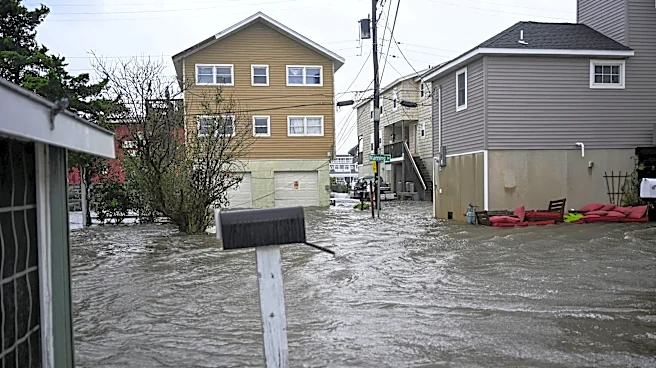
Whenever Kelvin waves arrive and are trapped along the West Coast, the increased water level heights can exacerbate other flooding problems related to high tides, rough surf and storms, increasing risks of potential coastal flooding and erosion on vulnerable beaches and low-lying coastlines.
Ocean levels off Southern California are already a foot higher due to El Niño, Swain said during a Sept. 28 podcast on his Weather WestYouTube channel. "That is quite significant and already approaching the maximum level of sea level elevation we saw during previous extremes."
It's likely the California coast could experience Kelvin waves two or three more times this winter, he said.

How do Kelvin waves form and work?
Don't picture the slow-moving oceanic Kelvin waves as giant waves you could see with the naked eye. They are more like signals that can move energy and warm water across vast distances, connecting events taking place thousands of miles apart. They move in the water beneath the surface, but don't break along a beach like conventional ocean waves.
The Kelvin waves linked to El Niño are generated in the far western equatorial Pacific in response to bursts of westerly winds that weaken trade winds along the equator. The Kelvin waves redistribute the large pools of warm water that build up in the western Pacific, allowing the warm water to "slosh" back eastward, according tothe website for Dillon Amaya, an assistant professor in the department of marine, earth and atmospheric sciences at North Carolina State University. The "sloshing" has been compared to the changes in water level heights that occur in a bathtub or pool.
When the Kelvin waves arrive along the coast of South America, they begin to propagate along coastlines in the northern and southern hemispheres, moving as far along the North American coast as Washington and Alaska, the website states.

Damages reported along California coast
Between the damage that has already occurred related to El Niño and the expected effects as the winter progresses, California Gov. Gavin Newsom proclaimed a statewide emergency.
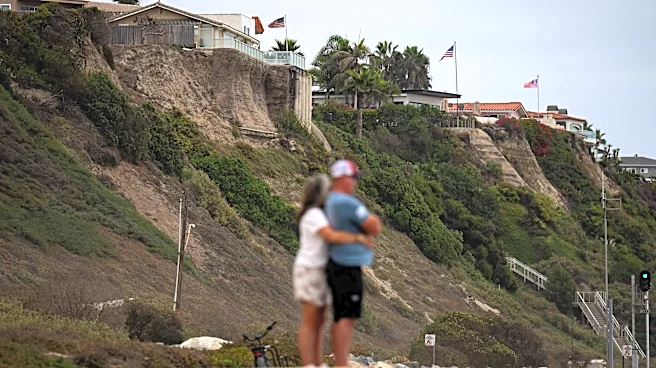
Local officials already had declared states of emergency in some locations, including Orange County, after severe coastal erosion, high surf and damage to homes and public infrastructure.
On Sept. 8, a large sinkhole opened under the driveway of a beachfront home owned by actor Nicolas Cage in Malibu, disrupting a gas line for the neighborhood, Reuters reported and forcing the evacuation of dozens of homes.
City officials in Laguna Beach and Dana Point saw severe erosion and sand loss during swells related to Hurricane Marie in early September, forcing dozens of homes to be evacuated.
Dinah Voyles Pulver and Doyle Rice are national correspondents for USA TODAY, focused on climate and weather. Reach them at dpulver@usatoday.com and drice@usatoday.com.
This article originally appeared on USA TODAY: Powerful planetary wave takes aim at West Coast as El Niño rages