








As daylight saving time comes to an end and Americans prepare to turn their clocks back an hour, many people are looking for ways to avoid the sleep disruption that often follows the seasonal time change.

The Hatch Sleep Clock is designed to help users build better bedtime routines, maintain consistent sleep schedules and wake up more naturally during periods when sleep habits are commonly thrown off.
Why daylight saving time can affect your sleep
When daylight saving time ends, the clock may give you an extra hour of sleep, but that doesn't always mean you'll feel more rested. Changes to sleep schedules, exposure to morning light and disrupted bedtime routines can make it harder to adjust in the days following the time change.
That is why sleep experts often recommend focusing on sleep consistency,
limiting screen time before bed and maintaining healthy bedtime habits in the weeks surrounding the transition.

Hatch Sleep Clock
The Hatch Sleep Clock isn't trying to win the race for the most data. Instead, it's trying to help people sleep better. Its biggest strength is shifting attention away from sleep scores and toward the behaviors that influence sleep quality. Combined with contactless sleep monitoring, personalized insights and a phone-free sleep experience, it offers a smart alternative to traditional trackers.
Invest in better sleep
- The Hatch Sleep Clock is best for: People who want phone-free sleep, habit-based sleep improvement and sleep monitoring without a wearable.
- Not ideal for: Users who want detailed biometric data or competitive daily sleep scores.
How the Hatch Sleep Clock helps during time changes
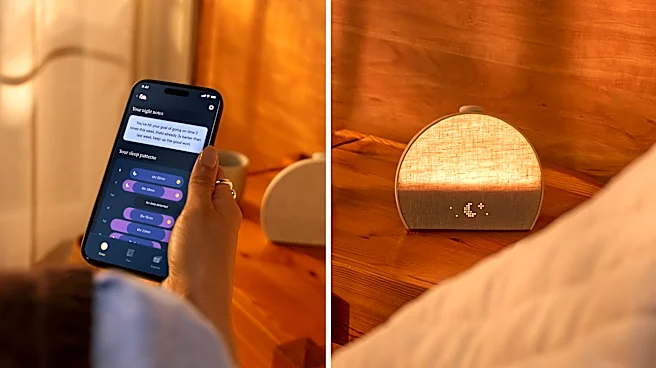
The Hatch Sleep Clock is a bedside sleep system designed to help users build healthier sleep habits over time. Instead of requiring a ring, smartwatch or wristband, the device sits on a nightstand and tracks sleep patterns using built-in sensors. It also combines multiple sleep-focused features in one bedside device, including:
- Contactless sleep monitoring
- Personalized sleep insights
- Guided sleep routines
- A sound machine
- Sunrise alarm functionality
- Sleep coaching tools
These features can be particularly useful during the transition out of daylight saving time, when many people are trying to maintain a consistent wake-up schedule despite changing daylight conditions.
Discover the Hatch Sleep Clock
A sunrise alarm designed for darker mornings

One of the biggest challenges after daylight saving time ends is adjusting to changing morning light.
The Hatch Sleep Clock includes a sunrise alarm feature that gradually brightens before wake-up time. Rather than relying solely on a traditional alarm, the light slowly increases to simulate a natural sunrise.
For users adjusting to earlier sunrises, darker evenings or shifting sleep schedules, this gradual wake-up approach may feel less abrupt than a standard alarm clock.
Sleep tracking without wearing anything
Unlike many popular sleep trackers, Hatch does not require users to wear a device overnight.
According to Hatch, the Sleep Clock uses bedside sensors to detect breathing patterns and movement while users sleep. That means no smart ring, smartwatch, fitness tracker or charging schedule is necessary.
For people who find wearable devices uncomfortable or forget to charge them, the contactless setup is one of the product's standout features.
Learn more about Hatch
Why Hatch skips daily sleep scores
Many sleep trackers assign nightly scores that attempt to summarize sleep quality with a single number.
The Hatch Sleep Clock takes a different approach. Rather than emphasizing performance metrics, it encourages habits associated with better sleep, including:
- Going to bed consistently
- Reducing screen exposure before sleep
- Creating relaxing bedtime routines
- Using calming sounds and sleep content
That focus may be especially valuable around daylight saving time, when healthy habits often play a larger role in adjusting to schedule changes than tracking a single night's sleep data.
Improve your sleep habits with Hatch
Hatch Sleep Clock vs. traditional sleep trackers
When comparing sleep products during daylight saving time season, the biggest differentiator is Hatch's emphasis on behavior change rather than wearable tracking.
Is the Hatch Sleep Clock worth it?
For shoppers looking to improve sleep habits ahead of the upcoming daylight saving time change, the Hatch Sleep Clock may appeal to users who want more than a traditional alarm clock.
By combining sleep monitoring, personalized insights, sound therapy, sunrise alarms and habit-building tools in one device, it offers a sleep-focused solution for people who want help managing routine disruptions throughout the year, including the transition out of daylight saving time.
Explore Hatch sleep tech
USA TODAY Shopping will be covering all the best deals and drops, so be sure to check us out on Flipboard, follow us on TikTok, sign up for our newsletter and follow us on Instagram to stay updated!
This story was produced with the assistance of Artificial Intelligence (AI). Journalists were involved in every step of the review, editing and publishing process. Learn more at https://cm.usatoday.com/ethical-conduct.
This article originally appeared on USA TODAY: Daylight saving time can disrupt sleep. How to protect your rest
Our editors independently choose our recommendations. Some content is produced with paid support from a third party, however our editorial decisions remain independent. If you buy through our links, the USA TODAY Network may earn a commission. Prices and availability may change.