






The success of GLP-1 drugs is proving to be a double-edged sword, a survey showed.
Half of GLP-1 users worry they may have to choose between paying for their medication and saving enough for retirement, according to Nationwide Retirement Institute's 2026 Healthcare Costs Survey of 1,933 adults last summer. Nearly a quarter (24%) say maintaining access to their medication is more important than increasing their retirement savings, said the research arm of Nationwide insurance company.
Median out-of-pocket spending for a GLP-1 user surpassed $1,500 annually, with nearly 1 in 5 spending more than 10% of their annual household income on these medications, a Virginia Commonwealth University study said. Uninsured and lower-income populations experienced
the highest out-of-pocket burden, it said.
"GLP-1s are forcing financial tradeoffs," said Kristi Rodriguez, leader of Nationwide Retirement Institute. "It's forcing a new retirement conversation."
What are GLP-1 users doing?
More than half (54%) of current GLP-1 users have already changed their financial behaviors because of the high GLP-1 price tag. About 17% took on debt, such as credit cards or loans; 14% withdrew money from savings, investments or retirement accounts; 14% reduced their retirement contributions or investments; and 10% delayed or avoided other medical care, the survey showed.
Part of those actions stem from the health optimism GLP-1s provide users, the Institute said. Nearly 9 in 10 (88%) current users said GLP-1 makes them feel more optimistic about their long-term health, and 64% said they may retire later because taking the medication makes them feel healthier.
Nearly 6 in 10 (59%) said expected health benefits of GLP-1s make them feel less pressure to increase their retirement savings, and 57% said the expected health benefits make them less concerned about needing additional health or long-term care insurance in the future.

What should GLP-1 users be doing?
"Living longer and healthier is good, but it also means you need more money," Rodriguez said. "A good percentage may work beyond retirement age but the flip side is longevity. Living longer also means your money may need to last longer."
GLP-1 users who continue taking the medication over time - and many will for the rest of their lives - will also need more money to keep buying the medication. Nearly 60% of current users said they worry about being able to afford GLP-1 medication in retirement, the study showed.
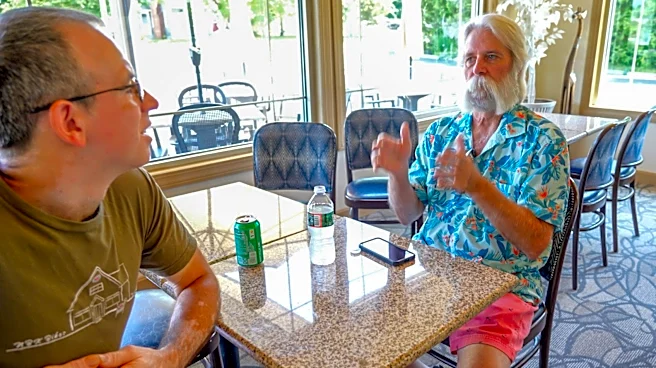
People "think GLP-1 is important, and they're spending money now," said Patrick Simasko, elder law attorney and financial adviser at Simasko Law. "Then, they don't have a retirement account and have to rely on some other means for retirement, like Social Security or their parents' money."
That's not a great plan, Simasko said. Relying on parents' money is risky because "they may live too long, the brother can sneak in and put it all in his name, or it can get scammed," he said. And Social Security benefits may get cut in 2032 unless Congress acts soon.
Rodriguez said everyone, especially GLP-1 devotees, should meet with a financial adviser and map out a plan to ensure a comfortable and potentially longer retirement and money to keep paying for the medication. They can also use online tools such as Nationwide's health care costs in retirement calculator as a starting point to gauge how health care costs not covered by Medicare may alter your retirement savings plan.
Simasko advises all people, including GLP-1 users, "fully fund your retirement account every year. If you have matching program for work, absolutely, as much as you can contribute to protect yourself first. Have it taken out automatically from your pay check and don’t look back. Then go for a walk, put on your sneakers instead of (using a) GLP-1. Or use whatever money's left after funding your retirement. Budget that for GLP-1."
Medora Lee is a money, markets and personal finance reporter at USA TODAY. You can reach her at mjlee@usatoday.com and subscribe to our free Daily Money newsletter for personal finance tips and business news every Monday through Friday morning.
Medora Lee is a money, markets and personal finance reporter at USA TODAY. You can reach her at mjlee@usatoday.com and subscribe to our free Daily Money newsletter for personal finance tips and business news every Monday through Friday morning.
This article originally appeared on USA TODAY: The hidden $1,500-a-year threat to your retirement