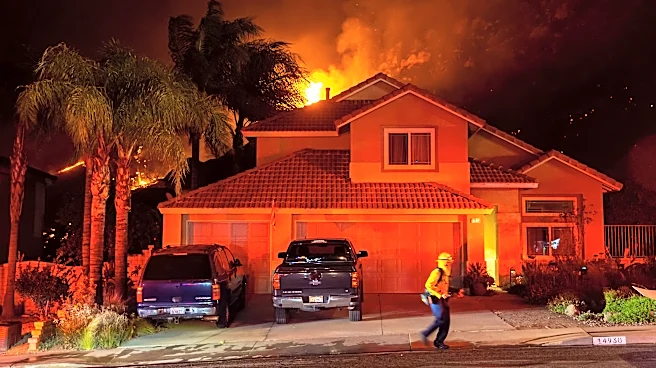







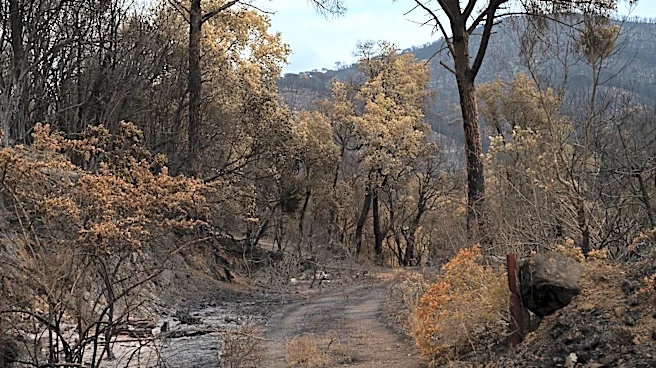

California homeowners could be required to make some changes to their landscaping thanks to a new statewide wildfire-defense policy in what officials described as a first for California — and the nation. Officials could adopt the policy on Aug. 19, and it’d go into effect as soon as next month.
Under the proposed Zone 0 regulations, Californians in specific areas statewide could be required to remove “combustible materials” outside their home, like fallen leaves and woodchips, and follow some maintenance requirements over plants and trees in the immediate area around their residence. Homeowners might also have to make some changes to their fences and sheds.
The proposed Zone 0 regulations are just one element of California’s broader wildfire resilience
strategy, according to a California Board of Forestry and Fire Protection memo. Its goal is to reduce fire spread and protect structures by reducing the things that can catch fire easily within the first five feet surrounding a building — an area where wind-blown embers accumulate and ignite structures, according to the memo.
Officials have spent over a year developing the Zone 0 regulations following the Los Angeles County fires in January 2025.
The California Board of Forestry and Fire Protection will consider adopting the final draft of Zone 0 regulations at a meeting on Aug. 19.
“California will take an important step toward reducing residential structure loss, strengthening community wildfire resilience, and providing homeowners with a practical framework for creating ember-resistant space around their homes” if the board approves the proposals, the memo said.
Here’s what to know about Zone 0, and how it could impact you.
What will Zone 0 do? Creating ‘defensible space’ for your home
California already has requirements in place for larger stretches of the area surrounding a home in the form of Zone 1 and Zone 2. These zones are considered defensible spaces, or “an area around a structure where fuels are removed or reduced to provide a buffer between a structure and the surrounding area that is vital for protecting homes and communities from wildfire,” according to the board.
“Adequate defensible space acts as a barrier to slow or halt the progress of fire that would otherwise engulf a home or structure,” according to the board.
Zone 0 targets the first five feet surrounding homes.
Fallen leaves, tree needles, bark, storing firewood and other combustible materials all must be removed from this area, according to a summary of the draft regulation.
Trees within this zone must be maintained so that there are no dead or dying branches, and live tree branches must be at least 10 feet away from chimneys, among other rules. In the area closest to the walls of your home, vegetation will not be allowed, and there are rules about the vegetation that is allowed the closer you get to the building. For example, potted plants must be in noncombustible pots and easily movable.
Sheds in Zone 0 must have non-combustible exterior roofs and walls, and homeowners may have to make changes to the portion of their fence attached to the home, like replacing their wooden gate with a metal gate.
Who in California will be impacted by Zone 0?
According to the Zone 0 documents and Cal Fire, the proposed Zone 0 regulations would apply to property owners within:
- State Responsibility Areas, or where the state is responsible for wildfire protection and prevention,
- And Very High Fire Hazard Severity Zones in the Local Responsibility Area, where the local government is responsible for wildfire protection. You can see if where you live falls under the Very High category via maps on Cal Fire’s website.
In local responsibility areas, fire agencies can authorize alternative practices, although those variations still need to have a similar effect to that of the Zone 0 regulations.
When would Zone 0 go into effect?
The regulations could go into effect in September, according to a board memo.
While Zone 0 requirements will apply to new construction once the regulation is adopted, existing homes and structures face a phased-in approach:
- Phase 1, implemented within the first three years: Removing combustible items like firewood, dead leaves, branches, mulch and woodchips within five feet of the structure. Also, removing dead and dying plants and trimming trees in accordance with regulations.
- Phase 2, implemented within five years: Creating an “under-eave safety zone,” replacing combustible gates and making any necessary changes to sheds and fencing.
Paris Barraza is a reporter covering Los Angeles and Southern California for the USA TODAY Network. Reach her at pbarraza@usatodayco.com.
This article originally appeared on USA TODAY: California homes face landscaping changes under 'Zone 0' fire rules