


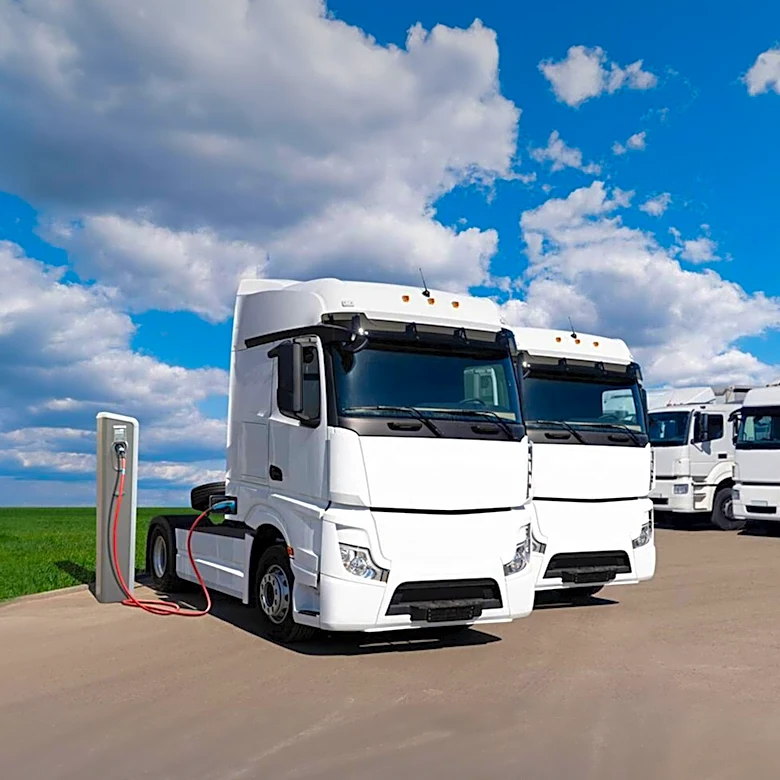
As high gas prices prompted consumers to take a second look at electric cars, the number of public chargers in various states increased during the second quarter of 2026, according to new data released by the Alliance for Automotive Innovation on September 23.
The Alliance, which lobbies in Washington for nearly all major carmakers including General Motors, Toyota and Volkswagen, said in its quarterly Get Connected report that the public Level 2 chargers, which are more powerful than most home chargers, increased by 3.2% over the first quarter of 2026. The report said the number of DC Fast chargers, which are the most powerful chargers, increased by 9% since the end of 2025. The total number of charging ports increased 6% from the end of last
year, according to the group.
The findings come as electric vehicles represented 7.9% of U.S. auto sales in the second quarter 2026, which was a 1.6% increase from the first quarter of the year, according to the Alliance.
"Public charging infrastructure continued to expand during the first half of 2026," the group said. "The composition of the charging network also continues to evolve. DC fast charging ports accounted for 29 percent of all public charging ports in Q2 2026, up from 22 percent in 2021, reflecting the growing role of higher-powered fast charging as the network expands."
The USA TODAY Cars team took a look at the states that had the most EV chargers in the second quarter of 2026 and what it means for potential EV buyers.
Which states have the most EV chargers?
According to the Auto Alliance, the following states have the highest number of unique public EV charging locations:
- California: 10,278
- New York: 4,151
- Florida: 3,338
- Texas: 2,856
- Massachusetts: 2,420
What does the increase in the number of chargers mean for EV drivers?
Car buyers have been telling pollsters for years that they have major concerns about the battery range of electric cars. The concern has bubbled up so often that it has been dubbed "range anxiety."
According to a poll released in January 2026 by the EVs for All America group, an advocacy group that works with car manufacturers to push U.S. and state lawmakers to adopt EV-friendly policies, 20% of 600 respondents to a poll intended to survey potential EV buyers in 2025 said their top concern about plug-in models is the charger networks being unreliable.
The same poll showed 65% of respondents said they would rather charge their batteries at home for a seven- to eight-hour period to achieve a full charge, while only 29% said they would rather opt for a 30-minute charge at a public facility that would achieve 80% battery life.
What's happening with federal charger money?
The 2021 bipartisan infrastructure law that was passed by Congress and signed by former President Joe Biden included $5 billion in funding for states to boost U.S. charging infrastructure that was set to wind down in 2026. The law also included another $2.5 billion that was set aside for competitive grants that would allow states to build chargers in alternative fuel corridors and underprivileged areas.
The charger money has long been a target of President Donald Trump and Congressional Republicans, along with $7,500 tax credits for EV car buyers that were eliminated last year. After the elimination of the $7,500 tax credit in September 2025, U.S. EV sales declined sharply.
Once it was under Trump's control, the Federal Highway Administration in February 2025 suspended the NEVI charger program in one of several actions directed by Trump to eliminate federal support for wider adoption of EVs by consumers. A federal court in June 2025 blocked the suspension, ruling that the Transportation Department’s move overstepped its authority and attempted to override the will of Congress.
The DOT restarted the charger grant program in August 2025, with new provisions designed to address Trump's concerns about diversity measures designed to ensure disadvantaged communities had access to EV chargers and Biden's effort to promote the use of union labor in installation.
Keith Laing is an automotive reporter on the National Trending Desk at USA TODAY. Contact Keith at klaing@usatodayco.com.
This article originally appeared on USA TODAY: The 10 states with the most EV chargers as electric car sales rise