

On the Monday, August 10, 2026, episode of The Excerpt podcast:The wildfires burning in Spokane, Washington are a wake-up call to many, especially in the western United States. If you want to live here, you’re going to have to accept the fire risks. But is it worth it? USA TODAY National Reporter Dinah Voyles-Pulver joins The Excerpt to share her reporting.
Hit play on the player below to hear the podcast and follow along with the transcript beneath it.
This transcript was automatically generated, and then edited for clarity in its current form. There may be some differences between the audio and the text.
Podcasts: True crime, in-depth interviews and more USA TODAY podcasts right here
Dana Taylor:
The wildfires burning in Spokane, Washington are
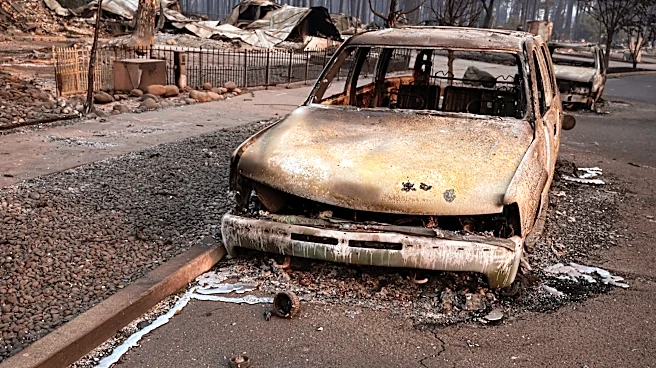
a wake-up call to many, especially in the Western United States. Recently, deadly fires in Paradise, Marshall, Lahaina, and Los Angeles share the same message for residents living in or close to risky fire-prone areas. If you want to live here, you're going to have to accept the fire risks, but is it worth it? Hello, and welcome to USA Today's The Excerpt. I'm Dana Taylor. Today is Monday, August 10th, 2026. Joining me now to share her reporting on this year's devastating fire season is USA Today national reporter Dinah Voyles Pulver. Dinah, it's always great to have you here.
Dinah Voyles Pulver:
Thanks, Dana. It's always good to be here.
Dana Taylor:
Dinah, let's start with what's happening with the trio of fires in Spokane. You write that though they're not the biggest in Washington this year, they're the most destructive. How so?
Dinah Voyles Pulver:
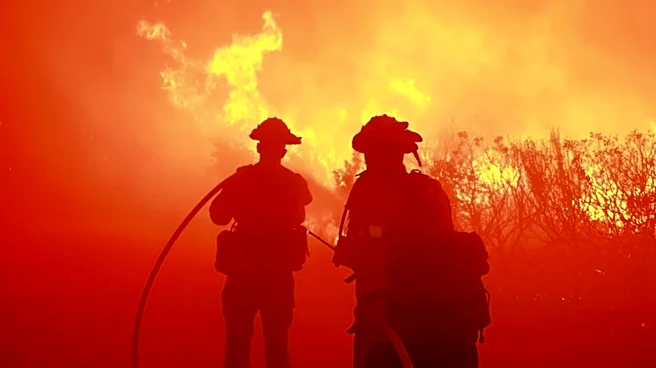
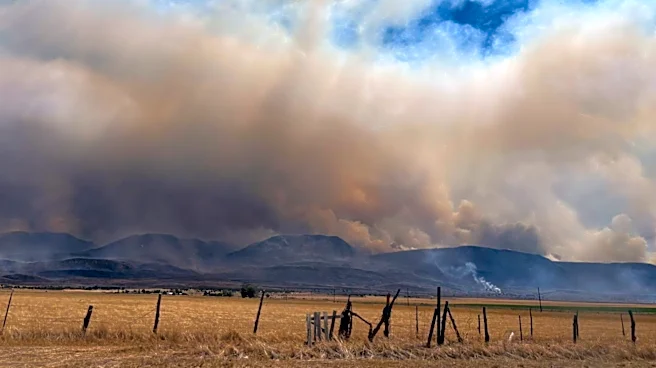
Well, Dana, they have destroyed more than 800 structures, including homes and businesses, which just on the surface of it makes it an extremely destructive fire, even in the nation's history. And besides the structures that have been burned, more than 10,000 acres have been burned, and that number could still change as they work to try to get the fire under control. More than 65,000 people have been evacuated at some point during the fires. And so in scope of it, it's just a large number of acres burned and structures burned and people whose lives have been disrupted by the blazes.
Dana Taylor:
Do authorities know yet what caused these fires in Spokane?
Dinah Voyles Pulver:
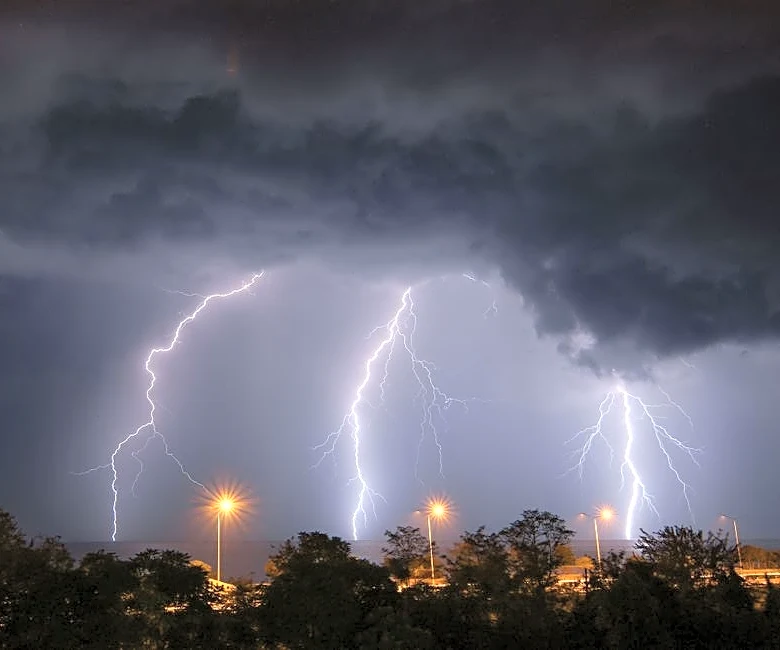
Even though most of the fires that have been reported this year in Washington and Oregon have been started naturally, the three fires around the Spokane area are believed to all be human caused. We haven't got a lot of details on the cause for two of the fires, but in one of the fires, they've actually arrested someone who they've accused of arson. There have been interesting things that have been revealed about the intentions of the arsonist based on some reporting by one of our reporters at USA Today, Natalie Alund. The man who has been arrested for the arson had reportedly, according to court documents, been planning this fire for weeks, and he has also been linked to some other fires that occurred in the area according to prosecutors.
Dana Taylor:
You cited one expert who called the wildfires an urban conflagration. What does she mean by that?
Dinah Voyles Pulver:
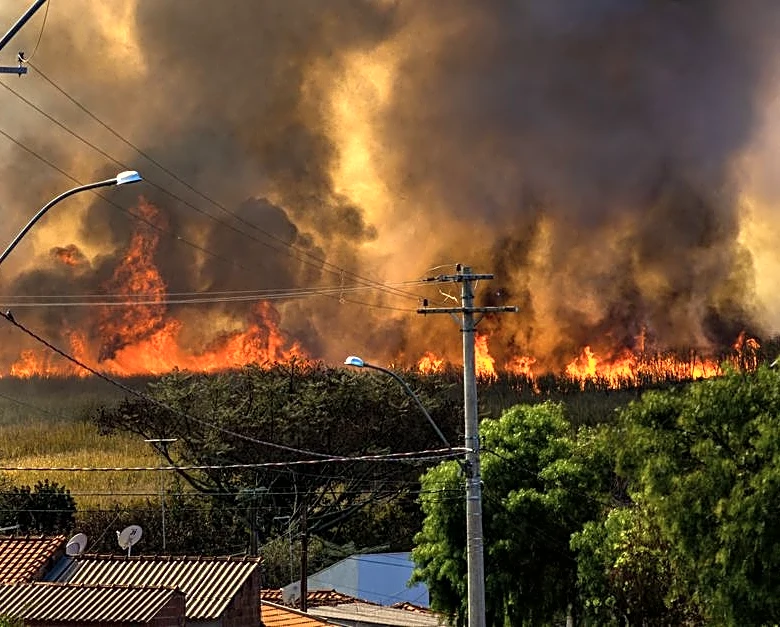
Well, Bobbie Scopa has got a 44-year career in fighting fires, and she said to me that once a wildfire arrives at the first home in a subdivision and begins to sweep through a subdivision, that they don't any longer call it a wildfire. She says it's an urban conflagration because the fire just begins sweeping from home to home through embers that touch gutters and rooftops, and it just becomes this massive conflagration that's very difficult for firefighters to get a handle on.
Dana Taylor:
Your reporting says that wildfire season is changing. How so?
Dinah Voyles Pulver:
Wildfire season has taken a new definition across the US for a couple of reasons. In some areas, they don't really even feel like they have a specific fire season anymore. They can have fires all year long, and that's been something that has been perplexing to some of the folks who I know who've been fighting fires the longest. And the fire situation in general has been complicated by the fact that it's difficult to manage land in some cases. They haven't done as much prescribed burning and things as they need to keep fires from starting and then from spreading as fast as they do. Part of the complications from that is the fact that so many people live in areas that are called the wildland urban interface, and they don't want the risk of a prescribed fire in their neighborhood. So there's a lot of people living together in a space that is very, in some cases, timber heavy or filled with lots of conservation areas.
And so it increases the risk for fire, as the experts say. It's also the case that temperatures are getting warmer, and as the temperatures are getting warmer and as droughts extend, it creates more and more fuel for these fires. So that's another problem that has been identified to us by the experts. And so these things just come together with fire management, with warm temperatures, with people living in a crowded area, and all of those things can complicate what has traditionally been called fire season. Fire seasons start earlier, they last longer, and the longer they last, the more opportunity there is for some of these big places to just keep burning. Even though they may be contained, they may keep burning and smoldering for weeks on end.
Dana Taylor:
Many people listening to our conversation, Dinah, may be asking, is climate change to blame?
Dinah Voyles Pulver:
That is kind of a subject that has lots of opinions out there about it, but there are experts who say that climate change is at least partly to blame because of the way that we are enduring the warmer temperatures and the way that we have longer droughts. The funny challenge there is that we get these longer droughts, but we also get periods of intense rain. So in places like the west, the Pacific Northwest, if they get a big bout of rain, they get a lot of growth in the underbrush. And so when the drought arrives again, that underbrush all dies. It just creates more fuel for the fires that do start to get up and start running.
Dana Taylor:
Is there anything people who live in these fire prone areas can do to help mitigate these risks?
Dinah Voyles Pulver:
Yes. There's a lot that homeowners can take the initiative on themselves to help keep their properties safer and at less risk from fire. Those include things as simple as keeping a perimeter around your home so that if you're in one of these wildland urban interface areas and you could have a wildfire come into your neighborhood, if you've got room in your yard for a firetruck to arrive, turn around, spray the fire, those are things that help firefighters. There's also a lot of information out there that homeowners can choose the kind of materials that they have planted around their house, that they use to mulch flower beds. They need to keep gutters clean, be sure that they have materials around their house that are less likely to catch fire and burn. Even if a fire comes through your subdivision, there are things that you could do to your home to make it more fire resistant if there's a big fire in your neighborhood. And there's lots of information online about how people can do that.
Dana Taylor:
Well, the fires in Spokane are still burning. Your piece is a step-back on the high fire risks densely populated areas like Spokane will continue to face. Tell me about that.
Dinah Voyles Pulver:
Well, as we move into this strong El Nino that we have brewing, there are areas of the country that will be at greater risk of drought. And among those areas that could face a lengthening drought is the Pacific Northwest because of the way the jet stream moves during El Nino. While California may typically get increased rainfall during El Nino, places like the Pacific Northwest have typically had less rain. And if they get less rain in an area where they're already dealing with drought and they're already dealing with wildfires, it may be a rough few months ahead.
Dana Taylor:
There's currently over 80 uncontained large wildfires burning in over a dozen states right now. I find that staggering. What else can you tell me about the forecast for the rest of the year?
Dinah Voyles Pulver:
Well, the forecast for the rest of the year is a mixed situation. Depending on where the jet stream shifts as El Nino begins to strengthen, as the El Nino begins to connect with the atmosphere and shift the jet stream, it could mean that the upper part of the country gets very little rain, while the lower part of the country may get a lot of rain. But the interesting thing about that is in the long term, if they do get a lot of rain in the Southeast and then we flip from an El Nino to a La Nina next year, that can increase the fire risk for those areas that have been getting a lot of rain over the winter because they will see huge leaps in undergrowth and brush and forest in other places. And those areas are then more likely to have more fuel to burn once things start to dry out whenever La Nina arrives.
Dana Taylor:
Dinah Voyles Pulver is a national reporter with USA Today. Dinah, thank you so much for sharing your important reporting here.
Dinah Voyles Pulver:
You're welcome.
Dana Taylor:
You're caught up in under 20 minutes. Come back tomorrow for another take on a story that matters. I'm Dana Taylor. Thanks for listening.
This article originally appeared on USA TODAY: The Spokane fires are a warning, not a one-off | The Excerpt