





The internet loves a bit of drama − and when a celebrity is involved, it's even harder for social media users to look away.
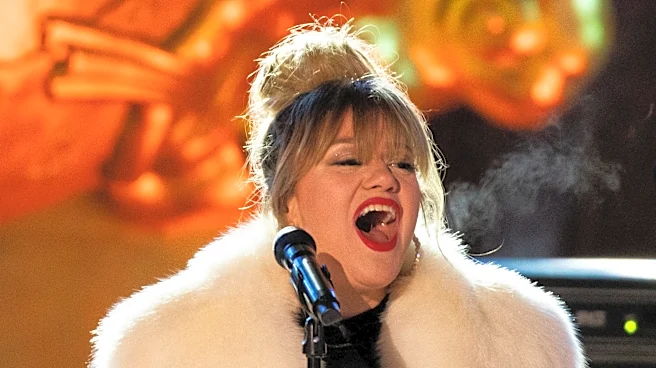
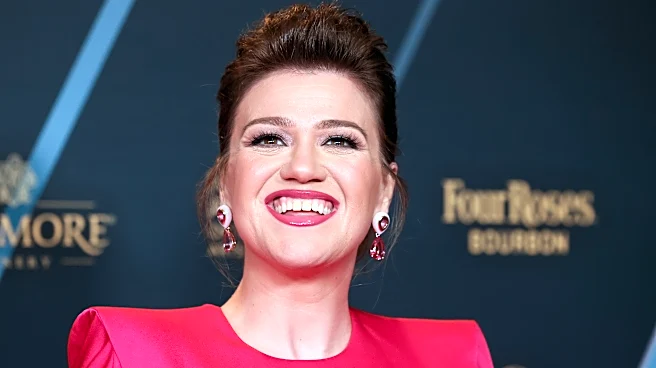
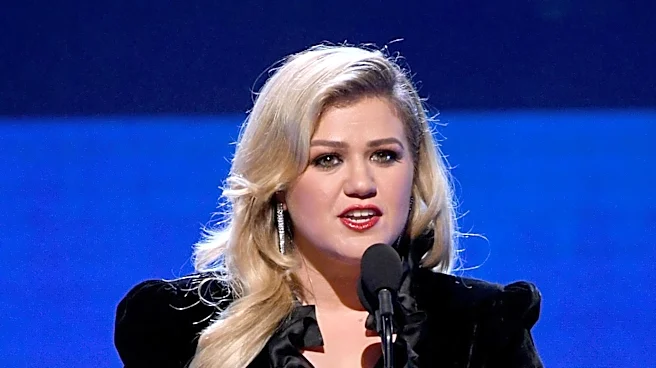
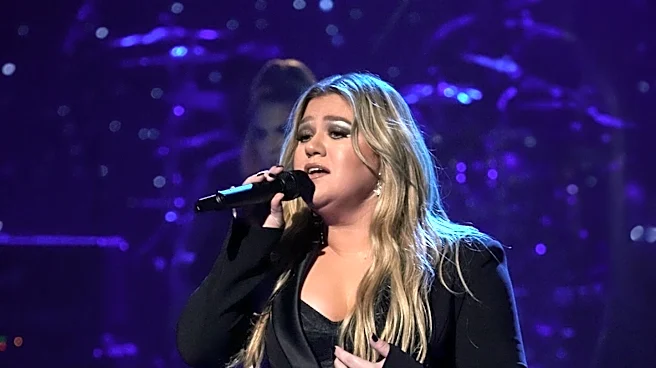
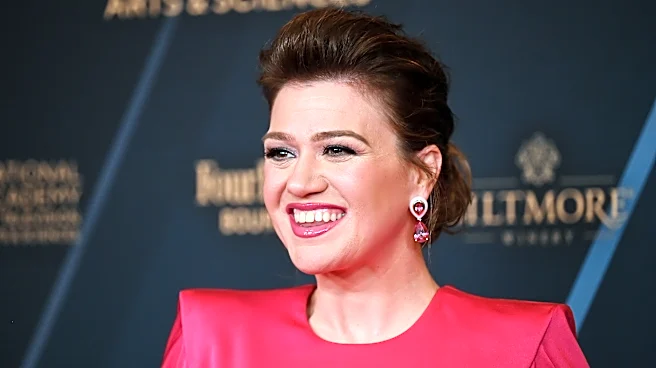
That's been the case with a recent feud between Kelly Clarkson and a local business. The singer, 44, called out a Brooklyn store on X after an alleged negative experience there, which she compared to a famous scene from the movie "Pretty Woman."
"Just drove all the way to Brooklyn to check out this store I thought looked really rad and had a few things in mind to buy and literally was looked at as if I couldn't afford it and was told he could find something comparable for me," Clarkson alleged. "Wow, dude. You're an idiot and just lost a huge sale." The alleged item in question? An animatronic bird.
And since the post − and
another in which she doubled down on her statements − the comment sections have gone wild with some users siding with Clarkson, some siding with the business and others just enjoying (or confused by) the chaos. It's reminiscent of early Twitter fights between celebrities and mundane moments when people would call out brands for minor inconveniences.
"I BEEN ON YOUR SIDE SINCE DAY ONE YESSSS," one user exclaimed. "Kelly came with receipts!" another shared with laughing emojis.
"Wow, you’re just determined to destroy a small business, aren’t you? I hope they EXPLODE in popularity," another said.
No way "this is all over an animatronic bird," another wrote.
Why is there so much conversation around the situation to begin with? According to experts, when celebrities share their experiences, it can lead to a sort of social comparison that fuels curiosity. Not to mention there's schadenfreude at play when watching any kind of scandal.
"As aspirational sources and trendsetters, non-celebrities often defer to celebrities' assessments of businesses to gain a vicarious sense of their customer service, product quality and overall brand curation and patron treatment," explains Melvin Williams, associate professor of communication and media studies at Pace University. So "when a celebrity like Kelly Clarkson shares an alleged prejudiced customer experience on social media, a prevailing sentiment among social media users is, 'If a presumably famous and wealthy celebrity can be mistreated at this business, so can the average, everyday client.'"
Schadenfreude, or finding joy in others' hardships
Schadenfreude, the concept of finding joy in others' hardships, is another explanation of why people can’t look away from scenarios like this, according to experts.
"There's pleasure in watching rich people who seem to have it all and these (moments) remind us that, well, they really don't have it all," Elizabeth Cohen, a professor at West Virginia University who researches psychology of media and pop culture, previously told USATODAY.
A 'deeply parasocial connection' to Kelly Clarkson
On the other hand, many fans hold a parasocial relationship with Clarkson, which feeds more interest.
"Kelly Clarkson is, by no intended pun, an American-made celebrity brand, created by Americans, who voted her into the entertainment industry via 'American Idol' and bear a deeply parasocial connection to Clarkson’s rags-to-riches ascension," Williams said. "As a result, fans trust her more than a Kardashian − for example − due to her Texan charm and relatable story."
All of this combined was the perfect storm for a closely followed social media feud.
"Clarkson’s online squabble with (the Brooklyn store) reveals how one celebrity’s publicly shared negative review of a business unleashes floodgates of controversy, damaging online reviews, social media beefs and a public left wondering, 'Will this business treat me like it did my favorite celebrity?'" Williams added.
Contributing: David Oliver
This article originally appeared on USA TODAY: Kelly Clarkson, a local business and the return of social media beef