
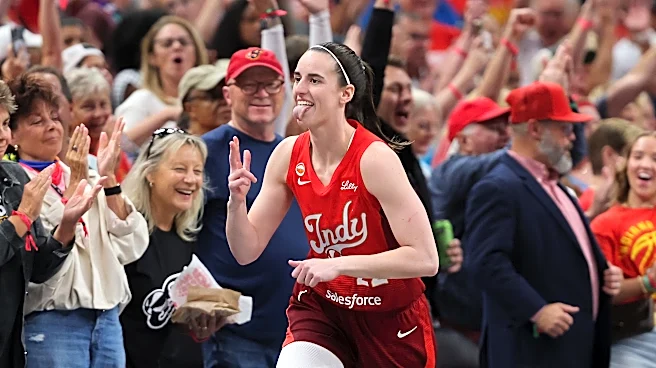
It seems like only yesterday the WNBA was embroiled in one of its biggest controversies, which is saying something because it has a lot of them: Indiana Fever guard Sophie Cunningham’s comment to ESPN that “biological men” did not belong in girls’ and women’s sports.
There were protests and counterprotests and controversial T-shirts and signs. Some WNBA players, coaches, owners and members of the women’s basketball media were outspoken, as they often are, coming from what arguably is the most liberal activist sports league in the country. Cunningham was booed in some quarters, cheered in others.
Two ex-NBA players declared for the WNBA draft, saying they were now identifying as women. One of those players, Enes Kanter, was removed from the stands
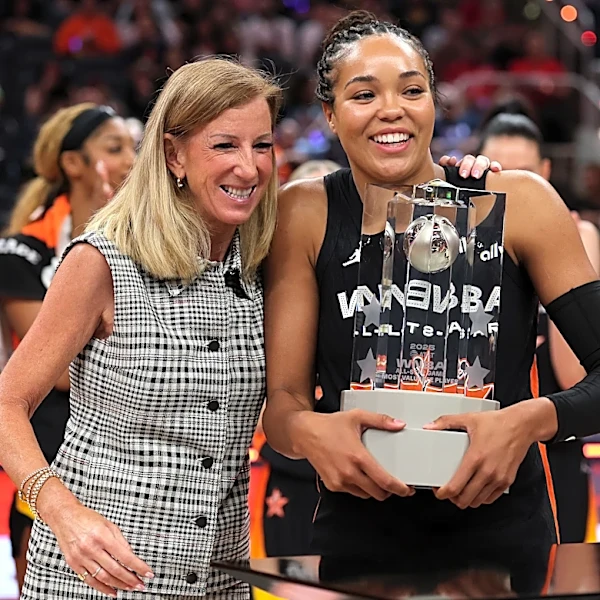
of a WNBA game after a verbal altercation with Chicago Sky guard Natasha Cloud.
A league task force met but came up with no answers. More conversation ensued. Would it ever end?
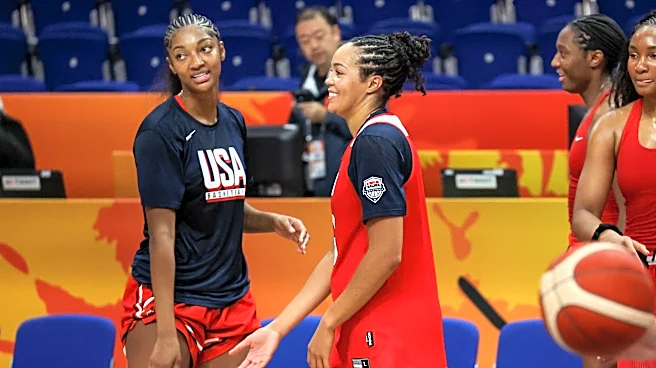
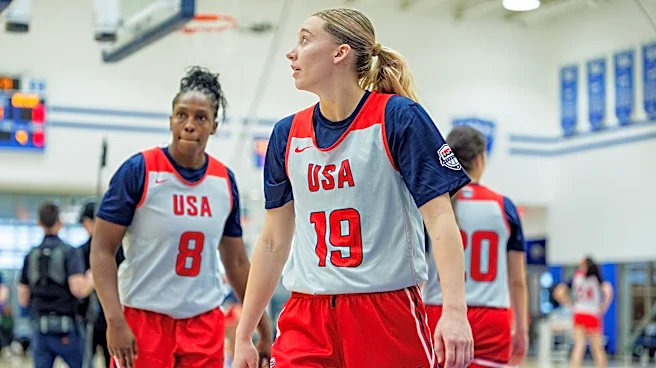
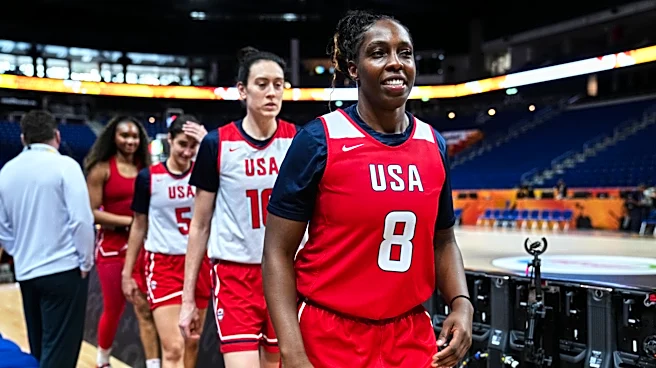
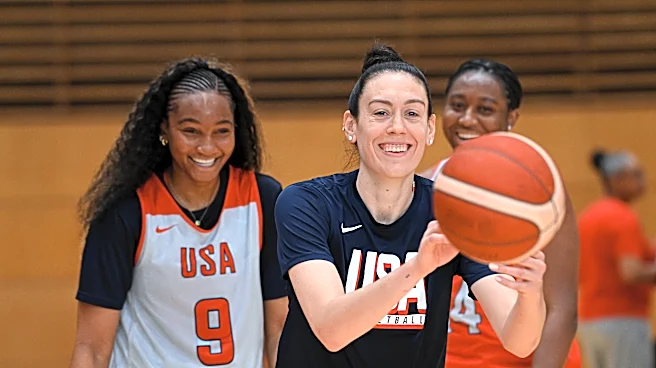
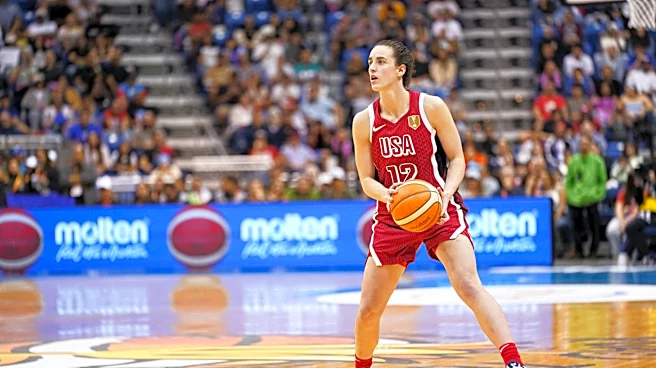
Ironically enough, yes it would, at a most surprising place. The greatest women’s basketball players in the world have gathered in Berlin for the FIBA Women’s World Cup, the biggest international women’s basketball tournament of the year. It’s an event that is being played under a policy that reflects Cunningham’s stance by not allowing transgender women to play — and so far, no one in the women’s basketball community is uttering one word of complaint.
No player has publicly criticized the policy or threatened to not play because of it. Even the WNBPA, the often-vocal and extremely proactive players’ union, declined USA TODAY Sports requests for comment regarding WNBA players competing under FIBA rules, other than to say questions should be directed to USA Basketball, the national governing body for men’s and women’s basketball.
The position of USA Basketball is essentially the same as that of FIBA, basketball’s international federation running the Berlin tournament, and they both mirror the policies of the U.S. Olympic and Paralympic Committee and International Olympic Committee, which states only “biological females” – which rules out trans girls and women – are allowed to compete in women’s sports.
Cunningham’s view is consistent with worldwide sports developments. Policies limiting or banning transgender girls and women were in effect at the 2024 Paris Olympics for two of the biggest summer sports, swimming and track and field.
The movement to ban transgender girls and women from girls' and women’s sports has only grown since, fueled in the United States by a 2025 executive order from President Donald Trump and a June, 30, 2026 Supreme Court ruling that upheld states’ rights to restrict participation in girls and women’s sports based on sex assigned at birth. Twenty-seven states have legislation that bars transgender girls and women from participating in women's sports, impacting the 1% of people aged 13 and over in the U.S. who identify as transgender, according to a 2025 study by the Williams Institute at UCLA Law.
Despite these developments, the WNBA has not banned transgender women from playing in the league, even though there has not been an openly transgender woman in WNBA history.
It is rare for WNBA players to stay silent on major societal issues. In 2016, several WNBA teams protested police violence and wore Black Lives Matter warm-up shirts more than a month before San Francisco quarterback Colin Kaepernick’s famous silent protest of kneeling during the national anthem.
And in 2020, WNBA players worked to defeat a U.S. senator, Georgia Republican Kelly Loeffler, who also was co-owner of the Atlanta Dream at the time. They did this after Loeffler objected to the WNBA’s plans to dedicate the season to social justice, including the Black Lives Matter and #SayHerName movements.
Loeffler ended up losing her Senate race to Democrat Raphael Warnock.
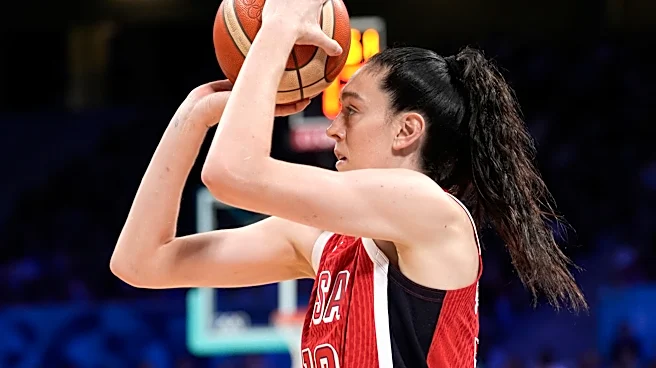
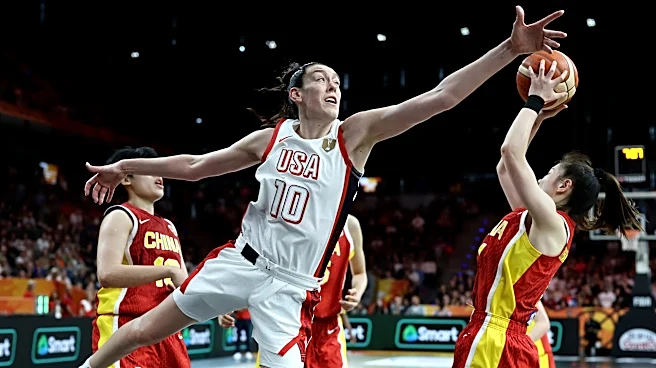
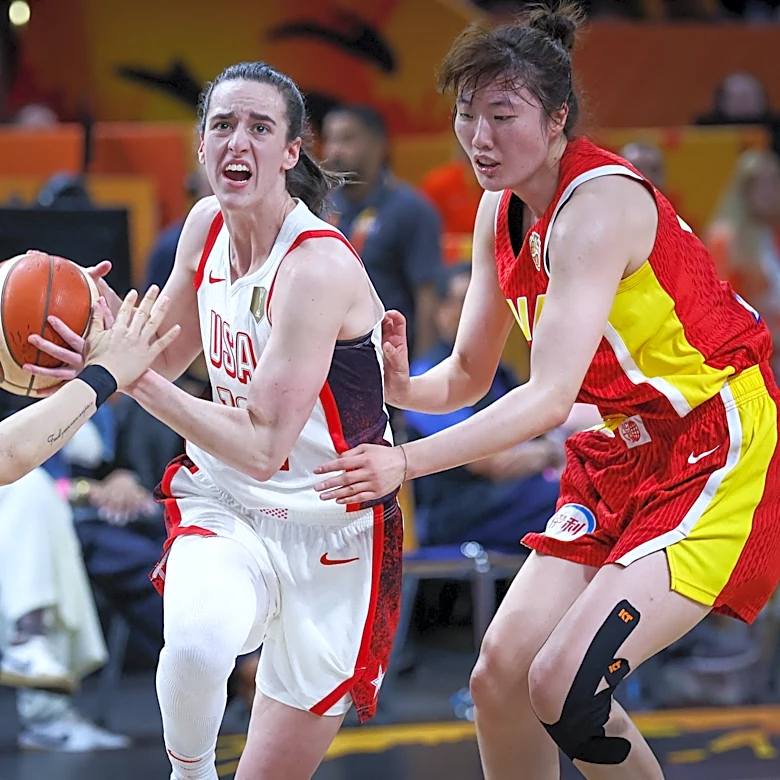
Team USA opened the FIBA World Cup with a 94-61 victory over China on Friday, Sept. 4. They are in Group D, which also includes Italy and Czechia.
While FIBA defers to the IOC policy on transgender athletes, the federation did say it is working to adopt its own formal transgender eligibility policy by 2027. Until then, FIBA said it “is not entertaining any transgender eligibility requests.”
This article originally appeared on USA TODAY: WNBA's transgender-athlete battle goes silent at FIBA World Cup | Opinion