
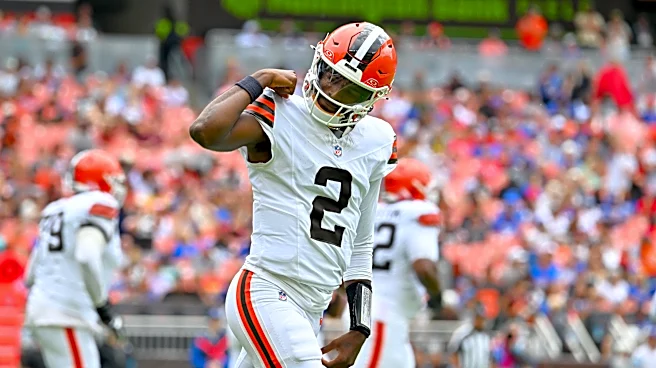
Sorting out the NFL's best – and worst – offenses typically is a matter of combing over the usual suspects.
With quarterback play determining such a significant share of a team's outcome, offenses typically have far less year-over-year variation than defenses do. Many of the top units try to retain their cores, and those that do can stay close to the peak for a sustained period.
But plenty of change is ahead in 2026 for offenses throughout the league, with 17 teams having new play-callers in place.
With the start of the NFL regular season less than a week away, here's our worst-to-first ranking of every offense for 2026:
32. Cleveland Browns
First-time head coach Todd Monken has been hailed as one of the league's craftiest offensive architects. But no level of innovation
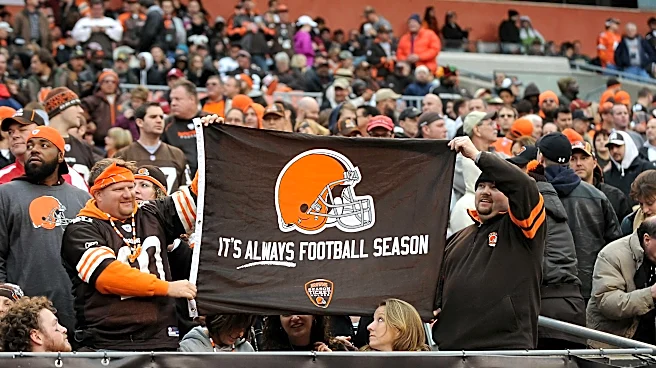
can rescue Cleveland from the noxious mess at quarterback that the organization has allowed to fester. Though Deshaun Watson insisted there was a personal vendetta at play in fans' decision to boo him during the preseason, the most straightforward answer offers the best explanation: In his 19 previous starts for the organization, he's amounted to the least efficient quarterback in football. An overhauled offensive line and burgeoning group of young skill-position players at least provide some semblance of hope down the line. But any discussion of short-term progress will be moot until a meaningful investment in a passer is made.
31. Tennessee Titans
No one could accuse the Titans of standing pat after Cam Ward's calamitous rookie campaign. Yet it remains to be seen whether the installation of Brian Daboll as offensive coordinator for the new coaching staff and a couple of big-ticket additions to the receiving corps produce any material gains for the attack in Year 2. The former No. 1 pick is being asked to take the necessary step of reining in his hyperaggressive tendencies. But given how rocky the unit performed throughout the preseason, finding a viable formula for Ward and the offense might be a bit more complex than that.
30. Miami Dolphins
The backfield tandem of Malik Willis and De'Von Achane offers playmaking potential that would typically warrant an attack much higher placement on this list. Their ability to create on their own, however, might be essential for a team not equipped to offer either one much support. The stripped-down receiving corps might be the league's most lackluster position group, with slot target Malik Washington and third-round rookie Caleb Douglas set to take on featured roles. New general manager Jon-Eric Sullivan has cited center Aaron Brewer and left tackle Patrick Paul as core building blocks, but multiple weak links remain along the offensive front. And though offensive coordinator Bobby Slowik is getting another shot after seeing his stock as a coaching candidate crash during his time with the Texans, he'll have to be considerably more creative than he was at his last stop to squeeze production out of this undermanned group.
29. New York Jets
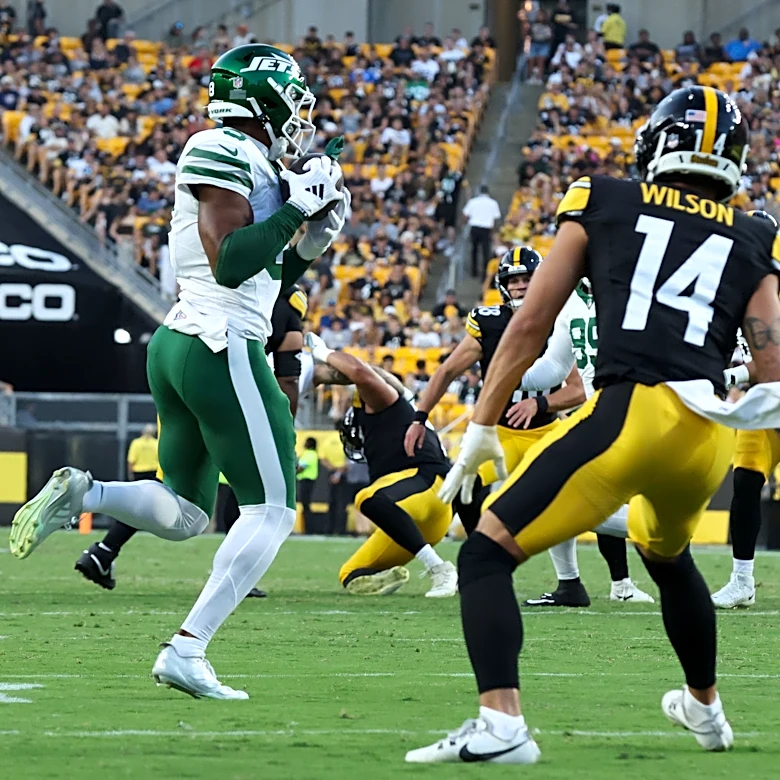
Offensive incompetence has been the throughline for the Jets' 15-year playoff drought, with the franchise having avoided a bottom-10 finish in scoring just twice during that span. Expectations remain muted entering Year 2 of Aaron Glenn's tenure, but there's at least some reason to believe that a much-needed baseline is being established. New coordinator Frank Reich produced bottom-of-the-barrel units in his previous one-and-done play-calling showings as head coach of the Panthers and Colts, but his abundant experience and streamlined approach should yield more stability than Tanner Engstrand could muster in his lone season at the helm. The most crucial factor for Gang Green, however, might not be in how far Geno Smith can propel the passing attack but rather whether the veteran quarterback can avoid the debilitating sacks and interceptions that colored his ill-fated 2025 campaign with the Las Vegas Raiders. A more functional setup than the one he was afforded by Chip Kelly and Pete Carroll should allow him easier answers, but occasional setbacks – from which this group will still have a difficult time recovering – seem inevitable.
28. New York Giants
In the Giants' few breakthroughs last season, Jaxson Dart and Cam Skattebo led the charge, establishing a rare sense of control for a franchise that has long been unmoored. Expect new coach John Harbaugh and offensive coordinator Matt Nagy to try to recreate a more tenable sense of command over the course of the season, even if they take a different route to get there. Dart still has more considerable work to do to establish himself as a trustworthy pocket passer in a more buttoned-down scheme, and a pass-catching crew without much to offer beyond an on-the-mend Malik Nabers and Isaiah Likely won't pick up much of the slack. The run game might provide the foundation, especially in the early going, but any explosive gains from Skattebo and Najee Harris could be hard to come by. There's a good chance this group is closer to serviceable but still ends up lacking.
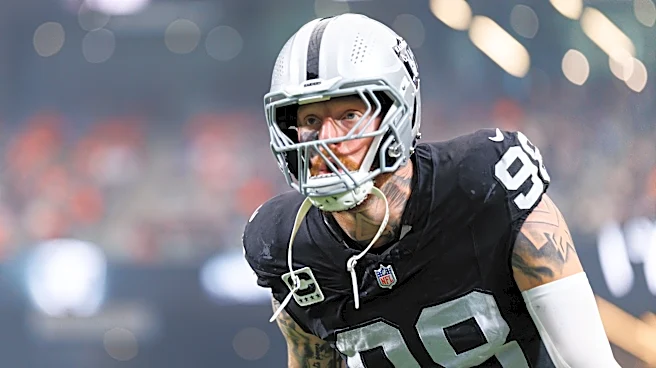
27. Las Vegas Raiders
Cleaning up the biohazard of last year's league-worst offense is a multiyear project. General manager John Spytek and new coach Klint Kubiak admitted as much in stating their desires to safeguard No. 1 pick Fernando Mendoza from a setup not conducive to success for a young quarterback. Placeholder starter Kirk Cousins' penchant for real-time problem solving within Kubiak's system should boost the unit, as should the reinforcements up front. But the receiver group is severely subpar, and the rock-bottom run game might require an extended runway before it takes off.
26. Carolina Panthers
Despite leading Carolina to its first playoff berth since 2017, coach Dave Canales relinquished play-calling duties after the season to coordinator Brad Idzik. A new voice might serve this offense well after it finished 27th in both scoring and total yards in 2025. As constructed, though, it's not clear what the next level is for this group, or how it gets there. For whatever progress he's made, Bryce Young remains an inconsistent presence behind center who needs to be buoyed by those around him. Offensive Rookie of the Year Tetairoa McMillan might continue coaxing out some of Young's best play, but a good deal more is needed for the passing game to even approach the middle tier.
25. Atlanta Falcons
New year, same problem: Save for a quarterback, Atlanta has all the components of a top-12 scoring outfit, a bar the unit hasn't cleared since 2018. Yet between Tua Tagovailoa's waning effectiveness as a downfield passer and Michael Penix Jr.'s overall unreliability, the outlook behind center is bleak. The overall talent level throughout the unit is probably a safeguard against the group falling to the bottom rung of offenses, but there's probably not much hope for a surge unless Penix can seize the reins at some point and find a level of precision that's eluded him throughout his career to date.
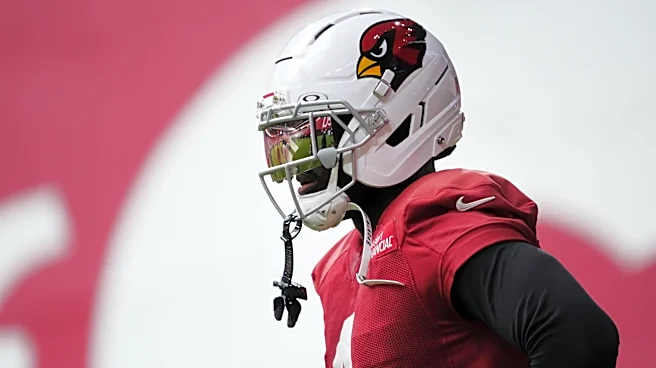
24. Arizona Cardinals

With No. 3 pick Jeremiyah Love coming aboard, new coach Mike LaFleur has the potential to rapidly transform a rushing attack that ranked 31st in yards per game. Yet it remains unclear whether he'll even have a reasonable opportunity to do so. A Cardinals team left to climb out of holes early and often last season might once again face frequent deficits in 2026, threatening LaFleur's vision for better balance. If Marvin Harrison Jr. finds his stride after two trying seasons, the Cardinals will boast one of the more impressive assemblages of playmakers. But the decision to run things back with Jacoby Brissett seems like an indicator that Arizona is content to feel things out this fall before trying to take off in earnest in 2026.
23. New Orleans Saints
Between Tyler Shough's encouraging rookie trajectory and the arrivals of running back Travis Etienne Jr. and offensive guard David Edwards, there are legitimate reasons to believe a leap is coming in Year 2 of Kellen Moore's offense. Even modest improvements could prove significant after the Saints couldn't overcome a rushing attack that ranked 31st with 3.7 yards per game and the league's most ineffective track record in the red zone. Still, New Orleans has a lot of ground to make up. Shough was too often undone by pressure, and some of the late-season progress could be a product of a more favorable schedule down the stretch.
22. Washington Commanders
Even with Jayden Daniels healthy, returning to the form the Commanders displayed as the fifth-ranked scoring operation in the quarterback's rookie season isn't merely a matter of hitting reset. Washington opted for a new path when it parted ways with Kliff Kingsbury and appointed David Blough as its new offensive coordinator. The task of rejuvenating this group was already plenty imposing for a coach whose only previous experience was as an assistant quarterbacks coach for the team for the last two years. Then, losing five-time Pro Bowl left tackle Laremy Tunsil to a torn left triceps considerably heightened the degree of difficulty. Tunsil's loss might prove insurmountable, as problems up front have persisted throughout training camp and preseason. No matter the outcome, it's clear that the success of this unit again hinges entirely on Daniels, despite the organization trying multiple measures to lessen the ask of the dynamic dual-threat passer.
21. Pittsburgh Steelers
Aaron Rodgers' farewell tour doesn't make for a particularly enthralling watch, with the checkdown-heavy operation having far and away the lowest average depth of target (6.07 yards) last year, according to SumerSports. Still, for all of its readily evident limitations, Pittsburgh checked in just above league average in scoring (15th) and EPA/play (16th). With Mike McCarthy providing a potentially more palatable scheme for Rodgers and Michael Pittman Jr.'s arrival giving the veteran quarterback a much-needed complementary target who can thrive in the short to intermediate game, incremental improvement could be within reach. Ultimately, though, the Steelers' upside is capped by their middling aerial attack. A run game that relied heavily on jumbo packages also could be due for a regression under a regime that seldom trots out those looks.
20. Tampa Bay Buccaneers
It should come as no surprise that an offense now on its fifth coordinator in five years carries a good deal of volatility into the season. But with Baker Mayfieldat quarterback, turbulence is a feature rather than a bug. The chief concern for Tampa Bay, however, is not so much the variance in Mayfield's play over the course of the season but rather whether its skill-position support might wilt. The outlook for the post-Mike Evans receiving corps remains cloudy amid persisting injury issues for Emeka Egbuka and Jalen McMillan, and a ground game that collapsed after Liam Coen's departure needs to be rebuilt. Along with Zac Robinson's increased dose of wide-zone runs, a stellar starting offensive line that looks healthy after last year's setbacks could provide considerable help on the latter front. But this might be a unit that still tops out in somewhere around the middle of the pack.
19. Houston Texans

With a Super Bowl-caliber defense in place, Houston needs more out of almost everyone on the other side of the ball. That might seem to start with C.J. Stroud, whose four-interception outing in the AFC divisional playoff loss to the Patriots would seem to underscore the disparity between the two units. Yet even as the quarterback faces calls to transcend what the offense can offer, it's clear that he's far from its greatest limiting factor. General manager Nick Caserio's continued insistence on fortifying the front might prove fruitful this year, with rookie center Keylan Rutledge and veteran right tackle Braden Smith patching up previous problem areas. Running back David Montgomery figures to be the short-yardage battering ram necessary to add a punch to an attack that ranked 29th in the red zone and often stalled out in short-yardage scenarios. Still, while using two tight ends more often might help things stay on schedule, offensive coordinator Nick Caley has to find ways to vary an approach that's reliant on stringing together long drives.
18. Philadelphia Eagles
The scheme shift led by new offensive coordinator Sean Mannion has come with all of the requisite talking points and reasons for enthusiasm. Philadelphia figures to be under center and using pre-snap motion far more often while also pushing Jalen Hurts out of his established comfort zone. All of those changes look necessary after things clearly turned stale under previous play-caller Kevin Patullo. How the Eagles respond when they reach an inevitable rough patch, however, will be telling. Given the depth and breadth of change being implemented, it seems like those hiccups might hit earlier rather than later.
17. Minnesota Vikings
Swapping in a new engine in Kyler Murray might provide new life to Minnesota's offense, which no longer will be weighed down by J.J. McCarthy and his replacements' inability to regularly give Justin Jefferson and Jordan Addison playmaking opportunities. Of course, an acclimation period is to be expected as Murray and head coach Kevin O'Connell find a middle ground between the polarities of their own respective predilections. But even merely passable play at quarterback should elevate this group a good deal, even if it doesn't reach the explosive highs of its 2024 campaign. Frank Smith's hiring and an accompanying increase in wide-zone runs should jolt the languishing ground game, though Aaron Jones Sr. and Jordan Mason might struggle to rip off chunk gains on a consistent basis.
16. Seattle Seahawks
The postseason run that culminated in a Super Bowl victory helped cover for a campaign that featured a good deal of turbulence for the Seahawks' offense. Not only did Sam Darnold lead the NFL in turnovers while Offensive Player of the Year Jaxon Smith-Njigba carried a disproportionate load in the passing attack, but the running game also didn't truly find its stride until the final five games of the year. With the entire starting offensive front back and the receiving corps looking poised to be more diversified, there's considerable room to grow for an operation that prided itself on its big-play capabilities. But leaving all this in the hands of first-time offensive coordinator and play-caller Brian Fleury leaves plenty of unknowns. Meanwhile, a ground game that could count heavily on first-round rookie Jadarian Price might again run hot and cold.
15. Indianapolis Colts
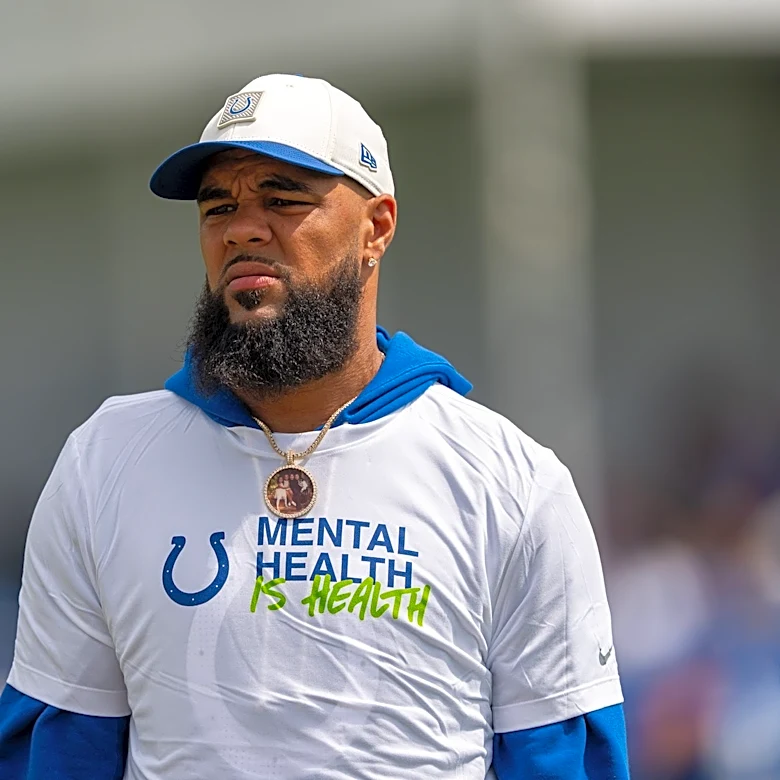
Unlike other teams on this list, the Colts aren't chasing some form that's merely hypothetical. There's already clear proof of concept for Shane Steichen and Chris Ballard in last year's attack, which ranked first in scoring (32.3 points per game) after eight games. Daniel Jones' recovery from a torn Achilles seems to suggest that the bootlegs and rollouts that helped enable his early-season breakout should still be fully accessible to the veteran quarterback. But recapturing the magic is no guarantee after Indianapolis surprised so many and had so much break right for it before Jones' injury accelerated a second-half collapse.
14. Denver Broncos
Sean Payton perfectly timed his play-calling handoff to set up new offensive coordinator Davis Webb for success. Throughout the summer, speedy receiver Jaylen Waddle has only reinforced the school of thought that his field-stretching threat will create opportunities for himself and others that previously had been inaccessible for Bo Nix and Denver's offense. That could prove massively valuable not only for the aerial attack, which has had to rely on a more methodical approach, but also a run game accustomed to heavy boxes. Despite the backfield adding depth with rookie running back Jonah Coleman, another injury to J.K. Dobbins could significantly impede any progress for the unit. Barring that or another major blow to Nix, however, everything is in place for an ascent from good to great.
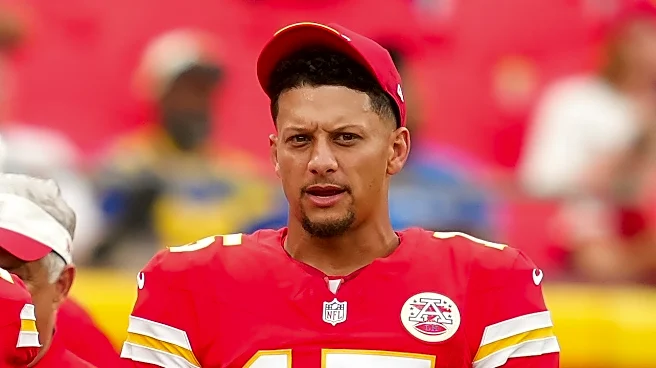
13. Kansas City Chiefs

This positioning might leave some with a good deal of unease, given how Kansas City unraveled in its 6-11 finish. But while some of the ills might not simply disappear, the Chiefs look prepared to simply move on from some while addressing others. The arrival of Kenneth Walker III and the accompanying shift to more snaps under center should prove transformative for an offense that all but gave up on play-action looks and attempting to marry the run with the pass. And while a healthy Patrick Mahomes might still struggle to force any downfield shots to an underdeveloped receiving corps, Walker could add a much-needed element of explosiveness as both a pass catcher and breakaway threat as a runner. It might be a slog, but Kansas City should at least challenge defenses with its efficiency.
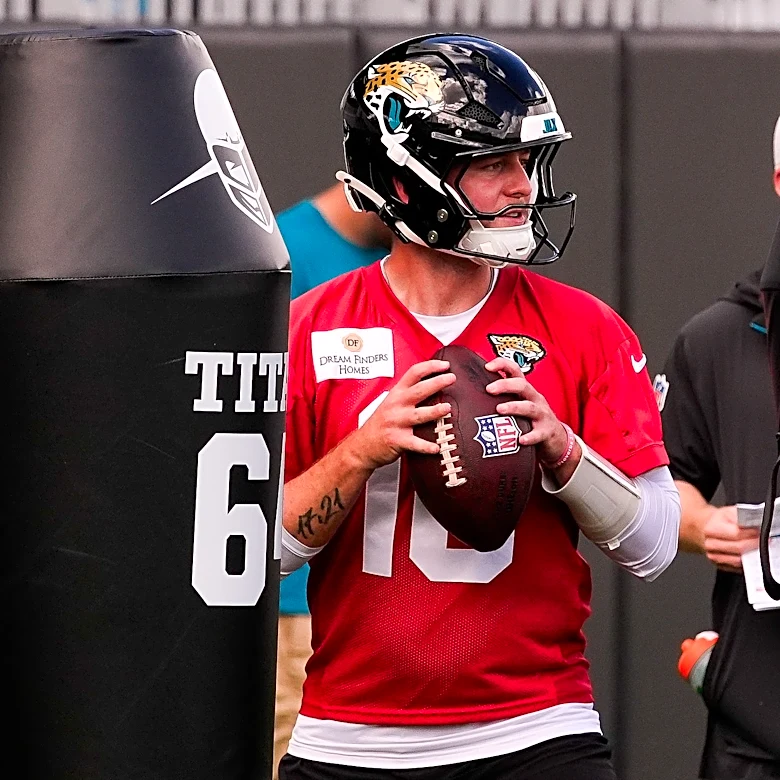
12. Jacksonville Jaguars
In Liam Coen's first year running the show, the Jaguars proved to be a tricky study over the course of the season. The passing game didn't click until around midseason, when the trade for receiver Jakobi Meyers helped Trevor Lawrence become efficient when working the middle of the field. Around that time, however, the once-promising rushing attack went into a tailspin. It's now up to Coen to find a way to bring the peaks of those two phases together. A clearer sense of fit for the various components of the receiving corps, which last year routinely let Lawrence down with its repeated drops, should help streamline the passing game. But a potential committee approach could create more uncertainty in the backfield, and things could get dicey if a suspect offensive line can't hold its own. Regression is possible, but the upside is considerable if Coen establishes some sort of cohesion.
11. Green Bay Packers
Are things about to reach a breaking point for Matt LaFleur and his well-established reliance on the run? General manager Brian Gutekunst said he expects Josh Jacobs to play this season, but the running back landing on the commissioner's exempt list following the filing of misdemeanor charges of battery and criminal damage to property leaves a good deal of uncertainty surrounding his availability – or lack thereof. Jacobs wasn't at his most effective in 2025, posting just 4.0 yards per carry, but it was clear LaFleur relied on him as a steadying presence to pre-emptively counterbalance Jordan Love's up-and-down performances as a passer. Now saddled with an unproven and oft-injured lead ball carrier in MarShawn Lloyd and scant depth behind him, however, LaFleur might benefit from opening things up for Love. Even with Doubs and Dontayvion Wicks gone, a receiving corps of Christian Watson, Jayden Reed and Matthew Golden – along with tight end Tucker Kraft – offers ample firepower. Regardless of what route he takes, LaFleur seems likely to remain one of the league's most vexing play-callers, for his fan base and opponents alike. And despite all the consternation about how he operates, it's worth noting that the coach still piloted an offense that ranked fourth in EPA/play last season.
10. San Francisco 49ers
Injuries are an ever-present threat, yet they typically remain somewhat of a hypothetical to teams even through the summer. Not so for the 49ers, who have come to know serious personnel hits as merely an expected way of life. But as San Francisco navigates receiver Ricky Pearsall already being sidelined for all of 2026 and George Kittle trying to make his way back for Week 1, the team has an undeniable sense of perseverance that few others can match. That's largely due to the play-calling acumen of Kyle Shanahan, who managed to squeeze a seventh-place finish in total yards and EPA/play out of a lineup that had Mac Jones start for nearly half the season. Depending on 33-year-old Mike Evans and rookie De'Zhaun Stribling at receiver likely pushes the 49ers out of reach from clawing any higher, but their production serves as a constant reminder of what a proper structure can overcome.
9. Baltimore Ravens
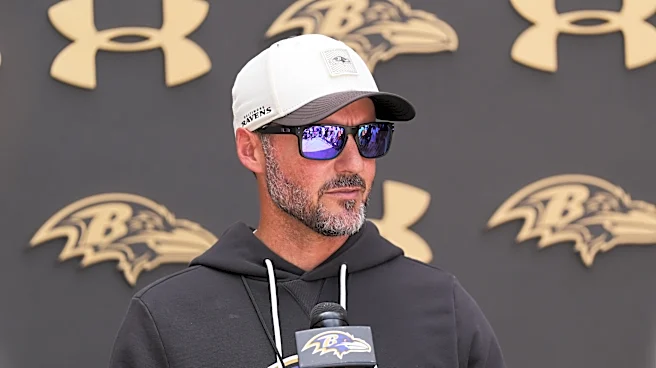
A massive leap of faith is required to place a first-time play-caller in the top 10. Luckily for new offensive coordinator Declan Doyle, running back Derrick Henry helps elevate Baltimore's floor, while Lamar Jackson nudges up the ceiling. That's likely an oversimplification, especially with Jackson needing to answer for an injury-hampered campaign in which his running threat – he notched career lows of 67 carries and 349 yards – was severely diminished from his typical highs. But if Doyle follows mentor Ben Johnson's lead by integrating a much higher rate of play-action calls, he could get massive return on investment from Jackson. How the interior line holds up bears watching after the loss of Tyler Linderbaumand a season-ending injury to Danny Pinter, but first-rounder Vega Ioane and boomerang veteran John Simpson should prevent the front from wobbling too much. With some good fortune and long-sought consistency, this group could return to the top-five standard it has previously known.
8. Los Angeles Chargers
In an exercise rooted in guesswork, the Chargers stand out as the ultimate exercise in projecting based on the unknown. Last season's results figure to have almost no bearing on how Mike McDaniel moves forward with a radically different scheme. But the mere notion of pairing one of football's most innovative play-callers with a quarterback whose elite arm strength and plus mobility stress defenses in a manner to which McDaniel did not fully enjoy in Miami is understandably tantalizing. Big plays almost assuredly will pile up through gashing runs from Omarion Hampton and Keaton Mitchell and the occasional deep heave to punctuate the repeated run-after-catch opportunities. Yet the intricacies of the scheme might not be mastered by players right away, and the suspect make-up of the interior offensive line could create a constant flow of disruption in the backfield.
7. Cincinnati Bengals

After Joe Burrow missed critical stretches in two of the last three seasons, any impatience for those awaiting the full Bengals experience would be justified. A payoff might be right around the corner, though. Incorporating more runs from under center on early downs should keep defenses off balance and potentially lead to more chunk gains, so long as the timing and other wrinkles get ironed out. It's worth noting, however, that Cincinnati has been notorious for slow starts under Zac Taylor, going 1-11 in the first two weeks of the regular season under the head coach. Continuity gives the Bengals a chance to shake that trend, particularly with the line looking as solid as it has ever been for Burrow. But with three playoff teams from last season awaiting after the opener against the Buccaneers, even the smallest setbacks for the offense could return the team to the early-season hole with which it has become so familiar.
6. New England Patriots
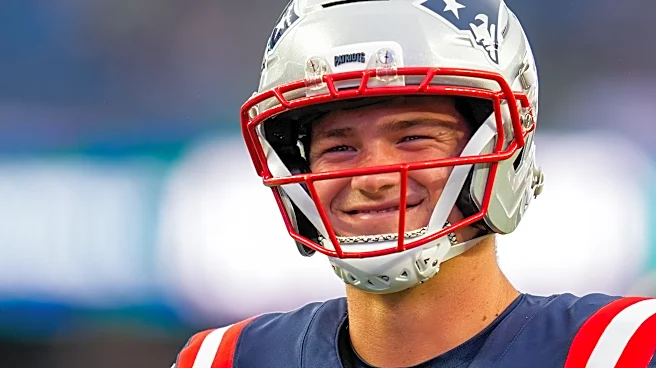
Drake Maye finishing one vote behind Matthew Stafford in the MVP race was a fitting conclusion to the season-long chase the two quarterbacks were engaged in. After all, Maye was the only passer who piloted his offense with a comparable efficacy to Stafford, as the Patriots narrowly finished as the runner-up in scoring (28.8 points per game) and EPA/play (+0.11). Under normal circumstances, New England might seem due to take a step back with defenses better equipped to deploy complex coverages intended to deny Maye the downfield opportunities that were essential to his breakthrough. But so long as the pass protection holds up, slowing the vertical game will be easier said than done with A.J. Brown now in tow. And though offensive coordinator Josh McDaniels will need to extract more from a running game that too often failed to keep drives on schedule, Maye still has a distinct knack for providing a spark when needed. Still, with Mike Vrabel having called out the lack of depth, it's fair to wonder whether a downturn in the team's previous good luck on the injury front could have a cascading effect on an otherwise healthy outlook.
5. Chicago Bears
Ben Johnson set a high bar for the Bears in his second year, telling The Athletic he wants to set the single-season scoring record held by the 2013 Broncos. To do so, Chicago would need to elevate its average by more than 12 points per game. That's probably a stretch for Caleb Williams and Co., but challenging for the title of the league's most prolific offense in 2026 hardly seems like a pipe dream. With Johnson's system setting the roots of a perennial top-five rushing attack, the biggest variable rests with Williams and his ability to tamp down on his devil-may-care decision-making. If he doesn't, the Bears could see a greater swing in their potential outcomes after enjoying the league's greatest turnover differential last year. If he does, massive seasons could be ahead for a number of breakout candidates, including receivers Rome Oduze and Luther Burden III and tight end Colston Loveland.
4. Detroit Lions
In a year in which Dan Campbell felt compelled to seize the play-calling wheel from John Morton just after midseason, the Lions still finished fourth in scoring. That shows not only how the expectations are in Detroit's post-Ben Johnson landscape, but also just how potent this attack can be even when it's not at full capacity. Drew Petzing might prove to be one of the more critical coordinator hires of the offseason, as his previous work with the Cardinals suggests he could help uncover the consistency that went missing last season amid the persistence of explosive plays. Cade Mays' fractured wrist is a blow to the effort to firm up a young line, but a soft opening schedule should allow the front to hold firm through the short-term loss.
3. Dallas Cowboys
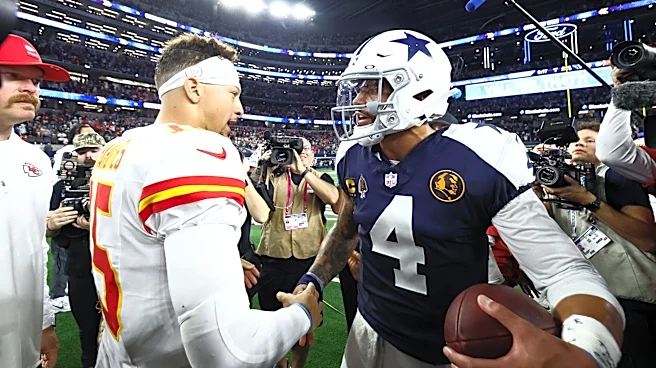
Brian Schottenheimer is due a victory lap he'll probably never take. After his promotion to head coach and decision to handle play-calling duties for the Cowboys both drew widespread derision, Schottenheimer orchestrated a group that ranked second in yards per game and seventh in scoring. With added experience and cohesion, even greater things are possible for a young group in 2026. Offensive coordinator Klayon Adams did impressive work in shoring up an offensive line and run game that previously stood as glaring vulnerabilities, but further strides in the former category could allow the latter to have more staying power. Meanwhile, there's no reason to believe that one of the league's most formidable receiver tandems of George Pickens and CeeDee Lamb will waver so long as Dak Prescott remains healthy. And Dallas should enjoy an enhanced level of support from its defense after being saddled with the worst starting field position of any offense last year.
2. Los Angeles Rams
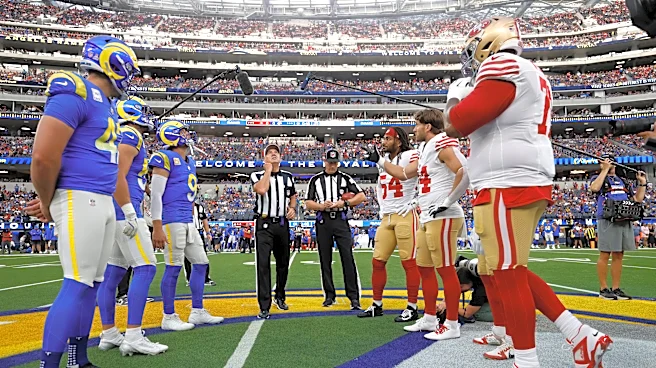
No wonder Matthew Stafford and Sean McVay were eager to run things back after the veteran quarterback's MVP campaign. The Rams set the high-water mark across the league in many categories, including scoring (30.5 points per game), yards (394.6 per game) and EPA/play (+0.11). The output wasn't a matter of happenstance, either, as a fully healthy Stafford took advantage of all the favorable matchups afforded to him by McVay's evolving personnel packages and schematic tweaks, which included the trend-setting shift to using three tight ends more often. What, now, for an encore? Difficult as it might be to top last year's results, McVay is never one to rest on his laurels and surely will be looking to reinvent the attack on the fly once again. The lack of a proven backup behind Stafford might leave some uneasy, but the suboptimal depth along the offensive line is the only other pressing concern.
1. Buffalo Bills
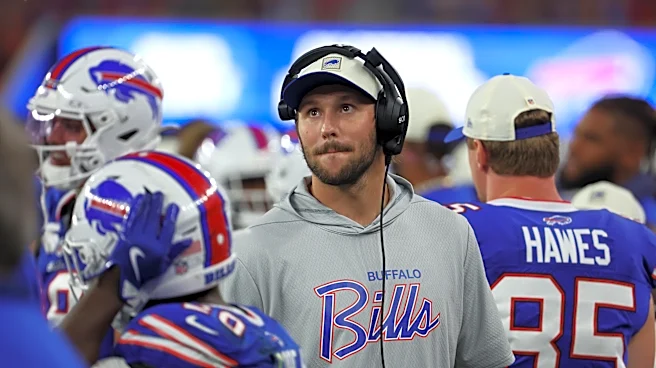
Several competitors could have made strong cases for the top overall slot. But even if the Bills don't have complete ownership over this space, they almost assuredly won't finish the season too far from the summit. Since 2020, Buffalo has never ranked lower than sixth in scoring and has had four top-three finishes in that span. New head coach Joe Brady has made the unit into one of the league's most malleable outfits, capable of running roughshod over a group with its top-ranked rushing output or by letting Josh Allen air it out. The former approach has materialized much more easily as of late, but DJ Moore's penchant for creating separation might alter the alchemy of the receiving corps enough to create more easy wins for Allen all over the field. Buffalo also has had the luxury of Allen and its starting offensive line seldom faltering, and there's little reason to believe that those advantages should disappear overnight. Brady might have a few things to figure out while calling the shots for the entire operation rather than just the offense, but no other group has shown itself capable of reaching the same highs while having so few apparent cracks.
This article originally appeared on USA TODAY: Ranking NFL offenses from worst to first in 2026: Browns last, but who's No. 1?