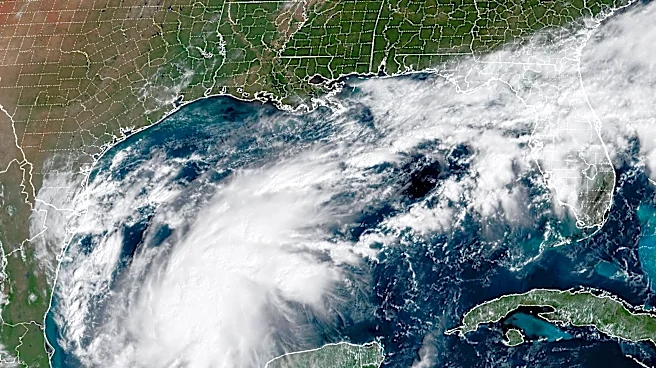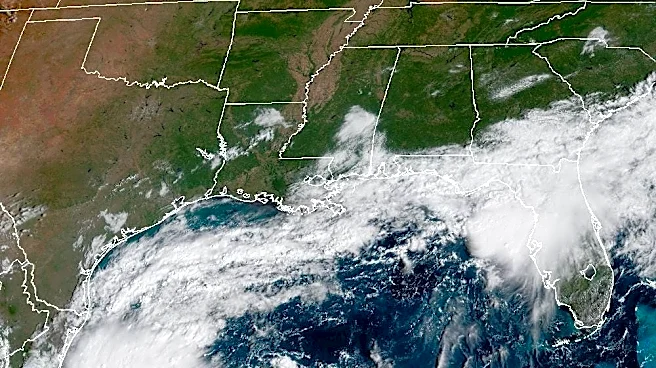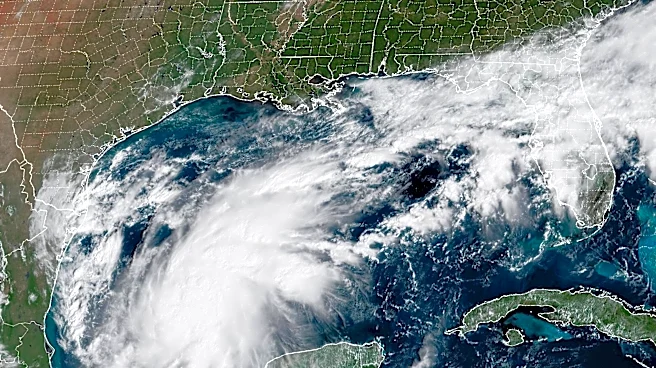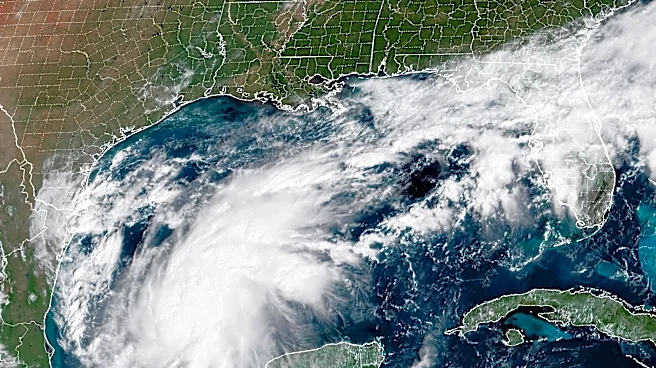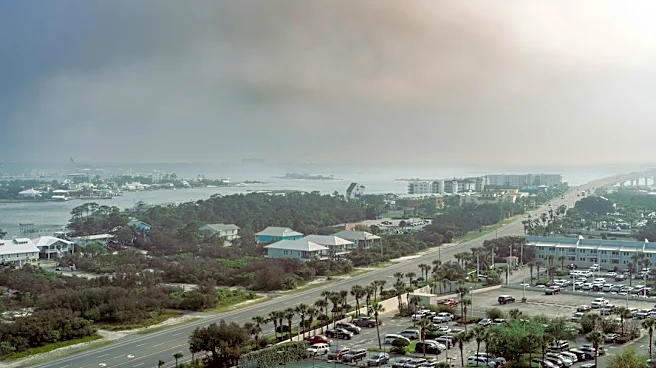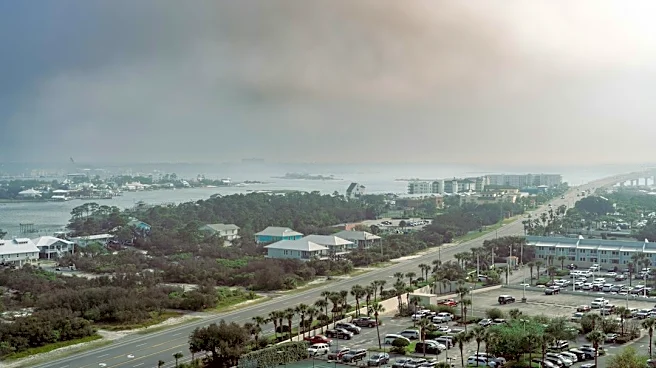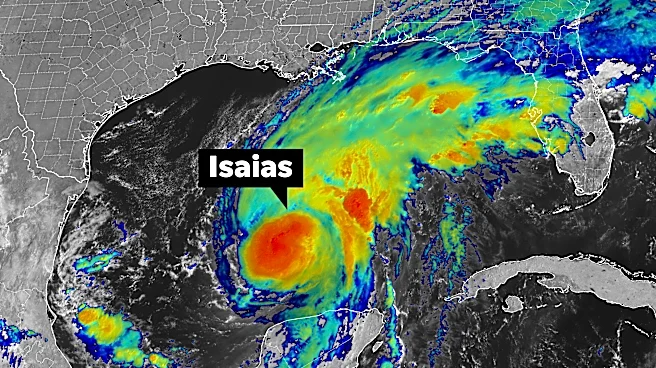


As Hurricane Isaias makes landfall on the coast on Oct. 9, a major concern is the large and dangerous surge of water arriving with it.
Storm surge warnings and watches are in effect along more than 600
miles of coastline from Louisiana to Florida as meteorologists try to pinpoint where water could surge up to 7 feet above dry ground as Isaias pushes ashore.
One of the most deadly and destructive aspects of a hurricane, storm surge doesn't just roll over the beach. It pushes well inland into rivers and bays. The sudden rise of water – topped by already high and powerful waves – can deliver battering blows that rip homes from foundations and flood low-lying areas miles inland. And with this storm, water could arrive after dark.
"We have a very significant storm surge risk associated with Isaias,” Michael Brennan, National Hurricane Center director, said on Oct. 8. The greatest threat will be near the center and to the right of Isaias as it approaches the coast, between Ocean Springs, Mississippi, and Indian Pass, Florida.
If you’re in a storm surge evacuation zone along the coast, Brennan said, “please heed that evacuation advice.”
What is the surge forecast for the coast as Isaias makes landfall?
The hurricane center forecasts the following levels of inundation above dry ground.
Unable to view our graphics? Click here.
Peak forecast surge:
- 5-7 feet: Ocean Springs, Mississippi, to Indian Pass, Florida and Mobile Bay, Alabama
- 4-6 feet: Indian Pass, Florida, to Steinhatchee River
- 3-5 feet: Mouth of the Mississippi River to Ocean Springs, Mississippi
- 3-5 feet: In Florida, from the Steinhatchee River to the Suwannee River
- 2-4 feet: Suwannee River to Yankeetown, Florida
- 1-3 feet: Lake Pontchartrain, Louisiana
- 1-2 feet: Morgan City, Louisiana, to the Mississippi River
How storm surge happens
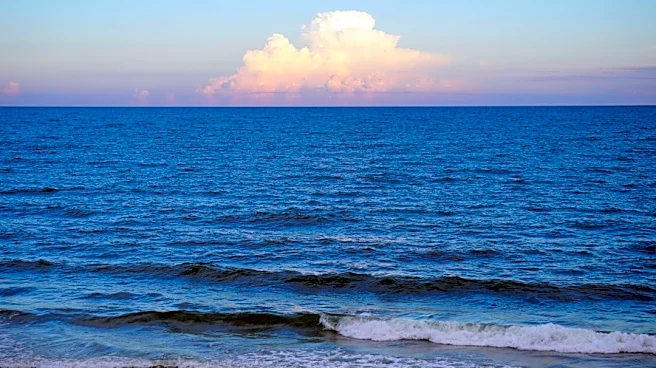
In the open ocean, hurricane winds push water toward the center of the storm. Instead of piling up, the water spirals downward and flows outward.
As the water is pushed downward, some is forced out to sea and some is pushed toward the coast.
As the storm approaches land and shallow water, the ocean floor blocks the outflowing water, causing it to surge onto land. Big, battering waves essentially ride on top of the surge.
The Gulf is more vulnerable to storm surge
The ocean floor and shape of the coast can influence the height of storm surge – the difference between water levels when a storm approaches. Along the Gulf of America, renamed from the Gulf of Mexico by the Trump administration, wide, gently sloping continental shelves make the coastline more vulnerable to water piling up. On the Atlantic coast, narrower shelves with steep slopes produce a lower surge.
Size and speed also are important. When approaching an open coast, a faster-moving hurricane produces a higher surge. But when a storm moves toward an enclosed bay, such as Tampa Bay on Florida’s Gulf Coast, a slower storm produces a bigger surge.
Storm surge is also influenced by tides. Surging water can be higher if it arrives at high tide, and if a storm arrives during a full or new moon high tide, the water levels can be even higher. The October new moon occurs the same weekend that Isaias moves ashore. Combined, surge and astronomical tide are called storm tide.
Historic surge heights in the US
When Hurricane Katrina approached the Mississippi coast in 2005, many didn't believe its storm surge could reach any higher than Hurricane Camille's legendary 24-foot surge in 1969. But it did. Surge height was measured at 25 to 28feet above normal tide levels along the Mississippi coast at Bay St. Louis and Waveland.
In 2022, Hurricane Ian's surge was measured at 15 feet above normally dry ground in Fort Myers Beach, Florida.
In 2020, Hurricane Laura pushed the Gulf18 feet above normally dry ground along the western Louisiana coast.
When Sandy reached the New York coast at Long Island Sound in 2012, a National Ocean Service gauge measured a 12.65-foot storm surge at Kings Point.
Before and after Hurricane Helene
Hurricane Helene moved ashore in Steinhatchee, Florida, with a 12 to 16 foot storm surge on Sept. 27, 2024 and leveled Crabbie Dads Bar and Grill. Slide the bar for before and after photos.
This article originally appeared on USA TODAY: Storm surge could be deadliest threat from Hurricane Isaias