








Living in an apartment doesn't automatically mean you need a tiny dog.
While many prospective owners assume smaller breeds are the best fit for compact living spaces, in reality, there's more nuance to it. According to Brandi Hunter Munden, vice president of public relations and communications for the American Kennel Club, factors such as a dog's temperament, energy level, adaptability and exercise needs often matter more than its size.
"Living in an apartment means you need to own a smaller dog" is one of the biggest misconceptions people have about apartment-friendly breeds, Munden says. In fact, some larger dogs can thrive in apartments when their physical and mental needs are met.
Before choosing a breed, Munden recommends considering temperament,
trainability, socialization needs and how much daily activity a dog requires. Apartment dwellers should also think about barking tendencies and how well a breed adapts to close living quarters.
With those factors in mind, here are some dog breeds the AKC said can do especially well in apartment settings.
Greyhound
It's easy to assume a former racing dog would need endless room to run, but greyhounds often adapt well to apartment life.
Despite that racing reputation, Munden described the breed as mild and sensitive. While greyhounds still need regular exercise, they're often content to spend much of their day relaxing once those needs are met. That combination of athleticism outdoors and calm behavior indoors can make them a good fit for apartment life.
Shih tzu
Originally bred as companion dogs, shih tzus have long been popular with people living in smaller spaces.The breed tends to be affectionate, adaptable and happiest when spending time with its owners. While shih tzus do not require extensive exercise, Munden noted that owners should be prepared for regular coat maintenance and grooming.
Bichon frise
The bichon frise combines many of the qualities apartment dwellers look for in a dog.
According to Munden, the breed's compact size, social personality and adaptability make it a strong candidate for apartment life. Bichons are playful and energetic, but their activity needs can often be met through daily walks, play sessions and training exercises.
Like the shih tzu, regular grooming is an important consideration.
Bulldog
Bulldogs are well known for their laid-back personalities.
Munden says the breed tends to be relatively low-key indoors and generally requires only moderate exercise and short walks. Their easygoing nature often makes them comfortable spending extended time at home, an important trait for apartment living.
Pug
Pugs continue to be popular among apartment residents for good reason.
Munden pointed to their adaptability and companion-oriented temperament as key advantages. Pugs enjoy spending time with their people and typically require little more than a few brisk walks each day to stay happy and healthy.
Their small but sturdy build also works well in tighter living spaces.
Cavalier King Charles spaniel
For owners looking for a dog that can shift between activity and relaxation, the cavalier King Charles spaniel may be worth considering.
Munden said spaniels strike a balance between joining their owners on adventures and relaxing quietly at home. The breed's adaptable nature allows it to fit comfortably into a variety of lifestyles, whether an owner prefers an active routine or a quieter one.
French bulldog
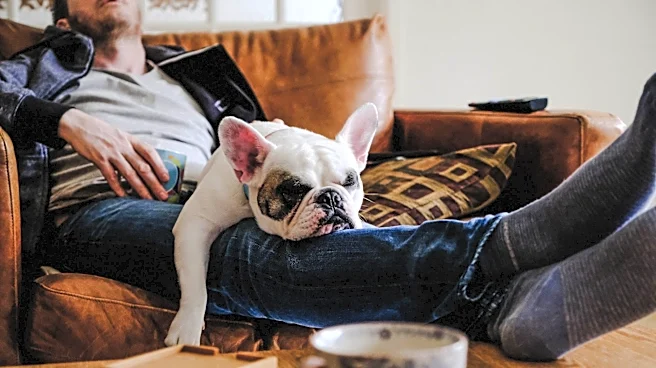
French bulldogs have become one of the most recognizable urban dog breeds in recent years.
Munden said the breed's compact size, affectionate personality and relatively modest exercise requirements make it attractive to apartment dwellers. While French Bulldogs still require daily walks, they generally do not need extensive exercise.
They're also typically not excessive barkers, though individual dogs can vary.
Great dane
At first glance, great danes seem like an unlikely choice for apartment living.
However, Munden said the giant breed is generally known for its easygoing and affectionate temperament, along with moderate exercise needs.
Once those needs are satisfied, many great danes are happy to relax indoors.
Prospective owners should remember, however, that apartment-friendly doesn't necessarily mean easy. A dog of this size still requires adequate indoor space, training and owners who are prepared for the costs associated with caring for a giant breed.

Why size isn't everything
When it comes to apartment living, Munden said a dog's energy level and temperament often matter more than its physical dimensions. A highly active dog will need outlets for that energy regardless of whether it lives in a suburban home or a downtown apartment.
That means prospective owners should spend as much time evaluating their own lifestyles as they do researching breeds.
"An owner's lifestyle is a key component to apartment living success," Munden said.
For active breeds, owners need to be prepared to provide the exercise and stimulation necessary to keep dogs healthy and prevent bad habits from developing.
Don't overlook barking, training and exercise
Apartment life can present challenges that some dog owners don't face in larger homes, with barking being a prime example.
Munden said it's important to consider how vocal a breed may be and to remember that apartment buildings often expose dogs to unfamiliar sounds from neighbors, elevators and shared hallways. Reactive barking can often be addressed through training when necessary.
For apartment dwellers without a yard, exercise and enrichment become even more important. Munden recommended activities such as long walks, runs, trips to dog parks and training classes.
Mental stimulation toys can also help keep dogs occupied and engaged throughout the day.
The most important factor: Finding the right match
According to Munden, one of the biggest mistakes apartment residents make is choosing a dog that doesn't fit their lifestyle or failing to invest in training.
Her advice is simple: do your homework.
While it's easy to fall in love with a particular breed, that breed may not be the best fit for your apartment, schedule or activity level. Researching a breed's needs ahead of time can help set both owners and dogs up for long-term success.
Ultimately, the best apartment dog isn't necessarily the smallest breed; it's the dog whose needs you're prepared to meet every day.
This article originally appeared on USA TODAY: The best apartment dogs aren't always the smallest ones, AKC expert says