





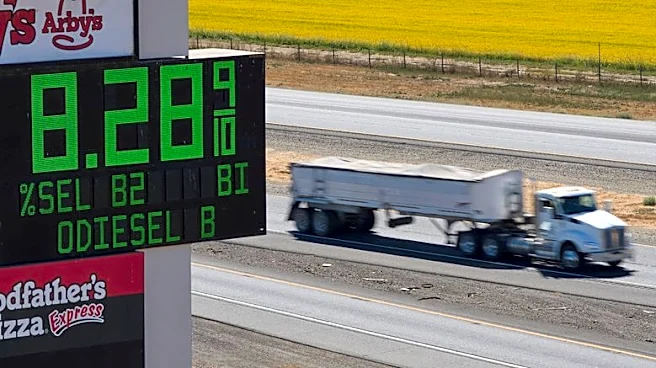
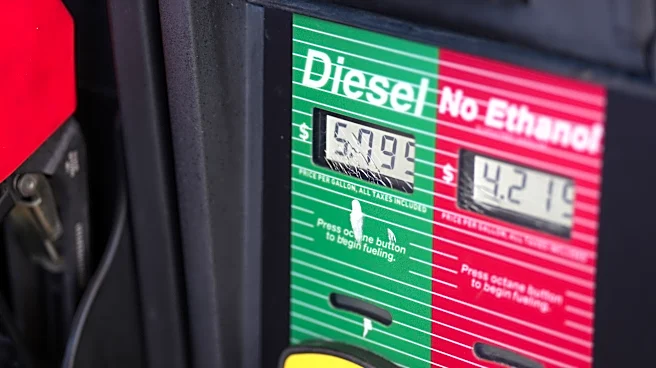

Diesel fuel is about as expensive as it has ever been, its per-gallon price ranging so high as to make regular gasoline look positively cheap by comparison.
Now, with high-stakes elections approaching, President Donald Trump has reportedly inked a controversial deal with Russia, America’s longtime Cold War nemesis, to ship extra diesel to the United States in hopes of bringing prices down.
It may not work.
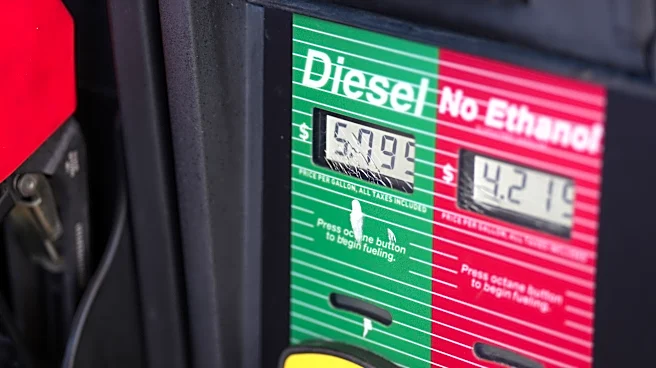
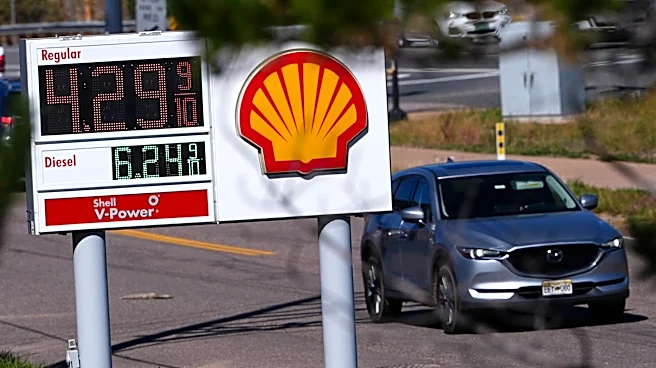
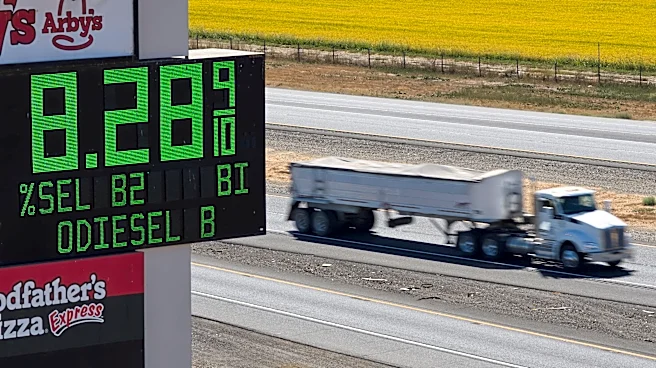
Diesel costs $6.27 a gallon, on average, as of Oct 12, according to AAA. That’s near its all-time high of $6.53 a gallon, recorded on Sept. 22. In California, diesel costs more than $8 a gallon.
Gas and oil costs have skyrocketed largely because of the Iran war, which has disrupted global supply through much of 2026. The lingering war between
Russia and Ukraine is another factor. Russia started the conflict, but Trump has recently complained about Ukrainian strikes on Russia’s energy infrastructure.
Under the new deal, which Trump announced Oct. 9 in a social media post, the president said Russia would “immediately supply over 300,000 Tons of Diesel Fuel to the American and Global Marketplace, another 500,000 Tons during the month of November, and 1,000,000 Tons immediately thereafter,” with more shipments to follow.
Trump predicted that with his announcement, “Diesel Prices for Americans and, indeed, the World, will be COMING DOWN, IN RECORD NUMBERS, AND FAST!”
Not so fast, oil experts say.

Are diesel fuel costs going down?
Diesel costs haven’t changed much since Trump’s post: per-gallon prices are about a nickel cheaper now than a week ago, according to AAA. Oil prices actually rose by 2.3% on the morning of Oct. 12, in the wake of Trump’s announcement, according to the Brent Crude index.
The problem, oil experts say, is that diesel fuel reportedly pledged by Russia amounts to a mere splash in the bucket, measured against the world’s diesel needs.
“In my opinion, there’s no impact, given it’s such a tiny amount in the big scheme of things,” said Dean Croke, principal analyst at DAT Freight & Analytics.
All told, Russia has reportedly committed 13.5 million barrels of diesel to the United States in coming months, said Mohit Kumar, chief European economist at Jefferies, a financial services company, in an Oct. 12 note. By comparison, the United States uses about 111 million barrels of distillate fuel, primarily diesel, in a month.
“As a percentage, it represents only a small fraction and is unlikely to make a huge difference,” Kumar said.
Diesel from Russia won't help most American motorists
Importing more diesel from Russia is one of several moves Trump has made to bring fuel prices down. In an Oct. 5 executive order, Trump also broadened the use of tax-free "dyed" diesel fuel, typically used in off-road vehicles like tractors.
Fuel analysts say none of the measures will do much to move the needle on diesel prices.
And more diesel fuel from Russia won't translate to sharply lower regular gas prices for American motorists. Only about 3% of U.S. passenger vehicles use diesel, mostly pickups, SUVs and used import sedans.
Unleaded gasoline prices are much higher now than a year ago, chiefly because of the Iran war. A gallon sold for $4.36, on average, on Oct. 12, up from $3.08 a year ago.
"I think Americans are going to have to deal with high gasoline prices, at least for the immediate future," said Ryan Sweet, chief global economist at Oxford Economics.
But regular gas prices are nowhere near as high as diesel prices. Diesel costs run higher because of heavy global demand, steep excise taxes and other factors.
Much of the American economy runs on diesel, from tractor trailers to delivery trucks to farm combines. And sky-high diesel costs eventually trickle down to the nation's supermarkets and warehouse stores, pushing up prices on a wide range of goods and services.
Trump’s announced deal with Russia might bring diesel prices down 10 to 20 cents per gallon at the pump, said Patrick De Haan, head of petroleum analysis at GasBuddy, in an Oct. 9 social media post.
"I would expect, overall, maybe a little bit of downward pressure on diesel prices," said Sweet of Oxford Economics. "But it won't be enough to offset the impact on diesel prices from the war in the Middle East." Sweet likened the cumulative effect to "putting a Band-Aid on a gunshot wound."
Both Sweet and De Haan questioned whether Russia even has the capacity to deliver the pledged diesel from its refineries, which have been battered in the war with Ukraine.
“The Trump administration’s proposed diesel deal raises more questions than it answers, and I remain skeptical that it will deliver significant relief to the trucking industry and consumers who depend on diesel,” De Haan said in an Oct. 12 post.
Will fuel prices come down before the midterms?
The negotiations with Russia suggest Trump “is exploring all avenues to bring down diesel prices before the midterms,” Kumar said. Midterm congressional elections are scheduled for Nov. 3.
Polls suggest many voters blame Trump and his policies for rising prices.
The Russian diesel, if it comes, may not come soon enough to bring prices down before the midterms. According to Trump’s post, most of the promised diesel would arrive after Nov. 3.
“For the midterms, it could still be too little, too late,” said Rebecca Babin, a senior equity trader at CIBC Private Wealth.
Contributing: James Powel and Joey Garrison, USA TODAY
This article originally appeared on USA TODAY: Trump tapped Russia to lower American diesel prices. It may not work