


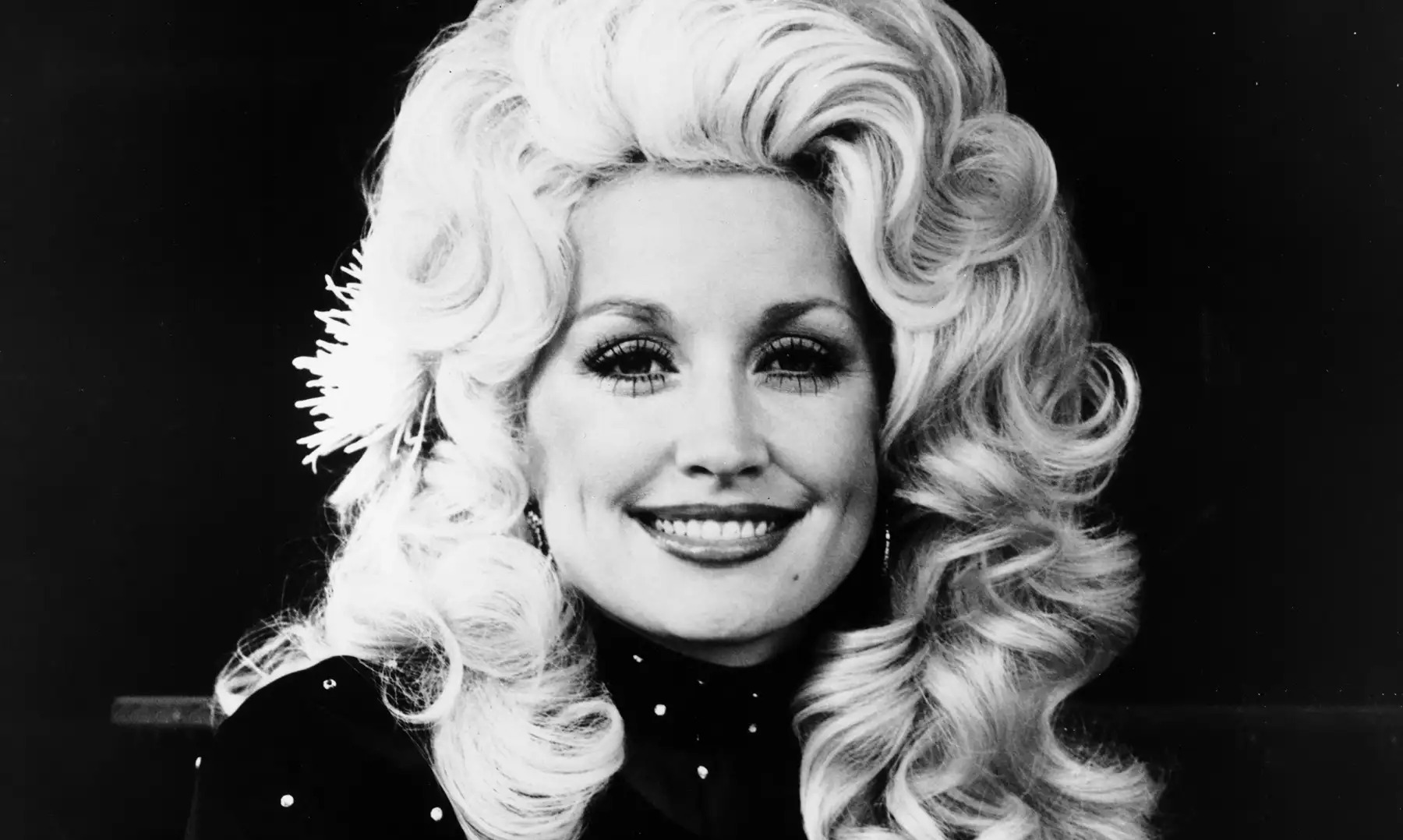
Dolly Parton's flamboyant, unapologetic style, her sharp, self-deprecating humor and gut-wrenching songs about forgotten people provided essential touchstones for generations of LGBTQ+ folks, many of whom grew up without public role models in their communities.
But Parton, who died Aug. 25 at 80, also genuinely cared about queer rights.
Oscar winner Jane Fonda, a close friend of the legendary performer and businesswoman, noted this in her tribute upon learning of her death.
"To her gay and trans fans, I want you to know that she loved you," Fonda wrote in an Instagram post. "You know that without me telling you."
For decades, Parton was an outspoken advocate for acceptance, immortalized across the nation at drag bars and brunches by busty queens
draped in rhinestones and crystal. Parton often told a story about the time she lost a Dolly Parton lookalike contest at a gay club. "They just thought I was some short little gay guy, and I got the least applause," she told ABC's JuJu Chang in 2012.
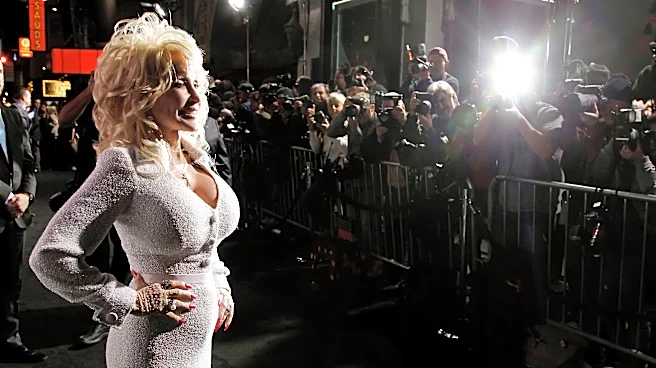
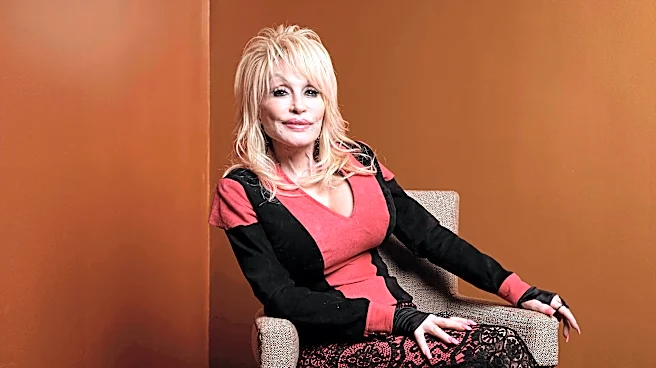
Parton's legacy extended beyond her curvaceous figure, sky-high wigs, sparkly stilettos, and acrylic nails. She offered a lifetime of allyship to queer Americans as she joyfully shattered Nashville's rigid definitions of country artistry. Parton later provided a permission structure for genre contemporaries – including Reba McEntire, Shania Twain, Kelsea Ballerini, Kacey Musgraves and Maren Morris – to do the same.
Nadine Hubbs, a musicologist at the University of Michigan, has long studied Parton's intersection with queer culture.
"She explicitly reached out to us and loved us and advocated for us and expressed her love and so much more than just acceptance for us, but she's been doing it for decades," Hubbs told USA TODAY.
'A radical stance:' Parton's history of bucking time-worn tradition
Cameron Bennett, a graduate of Dalhousie University in Nova Scotia, Canada, defended a master's thesis in April on Parton's intersection with drag culture, exploring how Parton became an icon for LGBTQ+ folks.
Bennett said that one of Parton's most overt relationships with the queer community was with her manager, Sandy Gallin, during the AIDS Crisis in the 1980s.
Gallin "openly acknowledged being gay, becoming one of the earliest Hollywood figures to do so," according to a 2017 obituaryin the Los Angeles Blade.
In the late 80s, Gallin and Parton launched a production company, Sandollar Productions, and produced an Academy Award-winning 1990 documentary, "Common Threads: Stories from the Quilt," about the NAMES Project AIDS Memorial Quilt.
"It was still kind of like a pretty radical stance for her to take as a country artist," said Bennett, the Canadian scholar who wrote about Parton's connection to the queer community.
Parton's love surfaced in her lyrics. In 1991, she released the fan favorite "Family," a crooner that explored complex familial dynamics. She shouted out gay people in the song's second verse. "Some are preachers, some are gay. Some are addicts, drunks, and strays, but not a one is turned away when it's family," Parton sings.
Anthony Allen Ramos, a spokesperson forGLAAD, a leading LGBTQ+ advocacy group that honored Parton in 2011, said that she "turned this kind of overarching message that her career was about of kindness into a support for the community at times when, you know, it was easy for us to feel down."

Fifteen years after the release of "Family," Parton received her secondOscar nomination for best original song, for "Travelin' Thru." The anthem, which she performed at the 2006 Academy Awards, was part of the soundtrack for "Transamerica," a 2005 film starring actress Felicity Huffman, who portrayed a transgender woman who embarks on a road trip with her son.
Parton also contributed to a two-disc "Love Rocks" record released the same year that "Transamerica" came out in theaters. The "Love Rocks" album benefited the Human Rights Campaign (HRC), another leading queer advocacy organization.
Parton also expressed her support for marriage equality a half dozen years before the U.S. Supreme Court legalized same-sex marriage nationwide. She rolled out her endorsement with her trademark razor-sharp humor.
During a 2009 appearance on "The Joy Behar Show, Behar asked the country icon if she was "pro-gay marriage."
Parton's response?
"Sure, why can't they get married? They should suffer like the rest of us do."
Allyship – studded with rhinestones
HRC told USA TODAY that Parton was among the most vocal early supporters of marriage equality within the country community.
Parton tackled public relations glitches with grace when people in her orbit were slower to come around on equity issues. She apologized to a lesbian couple in 2011 after one of the women was forced to cover up a T-shirt at her Tennessee amusement park, Dollywood, that said that "marriage is so gay."
"Dollywood is a family park and all families are welcome," Parton said. Chris Azzopardi, a journalist at Michigan-based outlet PrideSource, interviewed Parton numerous times and is now grieving the industry titan.

Azzopardi said she made space for members of queer media – larger LGBTQ+ publications such as Out magazine and smaller ones like his own. "Most of the gays I know just want to make the world a more beautiful place like I do," Parton told Azzopardi during a 2016 interview.
He added that Parton helped pave new ground for gay Christians and built a framework for wider inclusivity within the faith. "I grew up Catholic, and it was very hard for me to be gay and to be Christian. And I felt like I had to pick one or the other," Azzopardi said.
"When I spoke with Dolly, it's almost like I wish I would have spoken to her when I was 10 years old and really struggling because she really made a point of saying that both of those things can coexist," he said.
Parton's Netflix projects created buzz with LGBTQ+ storylines. "Dumplin'," released in 2018, featured drag queens in small-town Texas, and Parton's 2019 anthology series, "Heartstrings," included a gay couple.
She collaborated with her goddaughter, Miley Cyrus, on the 2017 song "Rainbowland," featured on the album "Younger Now," which delved into themes of acceptance. A Wisconsin school district banned performances of the song in 2023 after officials declared the pop song too controversial.
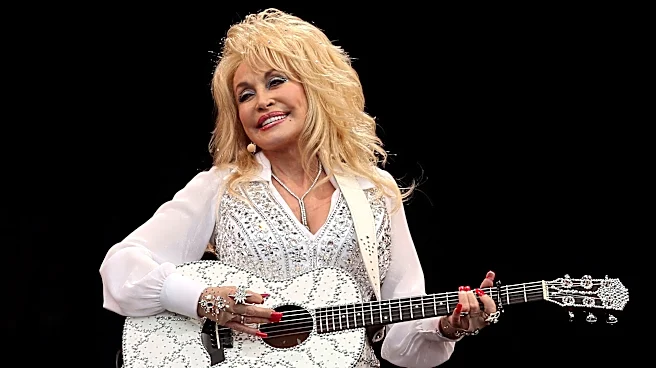
That year, Parton sent Brigitte Bandit, a Texas drag performer who fought against the drag bans, a custom rhinestone guitar.
Parton's impact broke barriers
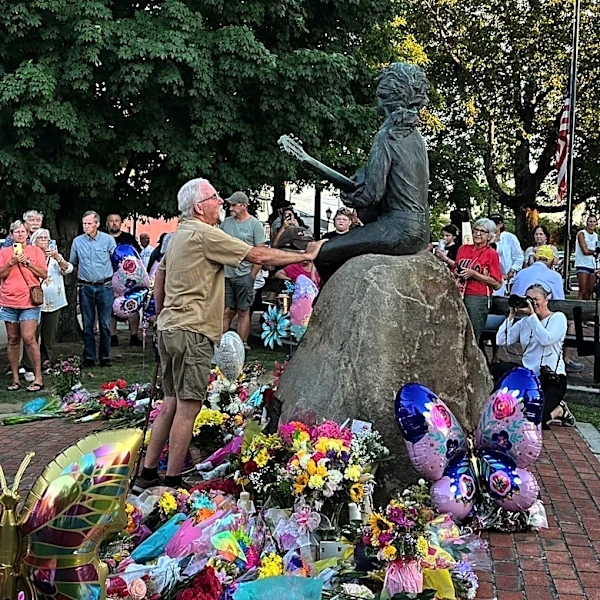
Responses to Parton's death have transcended geographical, racial and gender-based lines. Among tributes from around the globe, many LGBTQ+ stars posted online about the depth of their loss.
Lil Nas X, the Black gay country rapper, posted on Instagram, "THE ONE AND ONLY! FLY HIGH MISS DOLLY!" he wrote. Durand Bernarr, the Black gay R&B star, mourned on his social media.

Brian Moylan, a pop culture historian, recalled in a post on X how Parton changed her lyrics from "Jolene" to "drag queen" during a concert at 9:30 Club, a music venue in Washington, DC. Parton was woven into her fans' lives – like family.
Helen Morales, a cultural critic at the University of California, Santa Barbara, is considered a foremost expert on Parton's life and career. But she personally inspired the professor.
"She was important to me as a young queer girl growing up in England and feeling too different and too much, too excessive, too misunderstood because she was fabulous and unapologetically herself," Morales said.
Those moments helped define the diva's legacy.
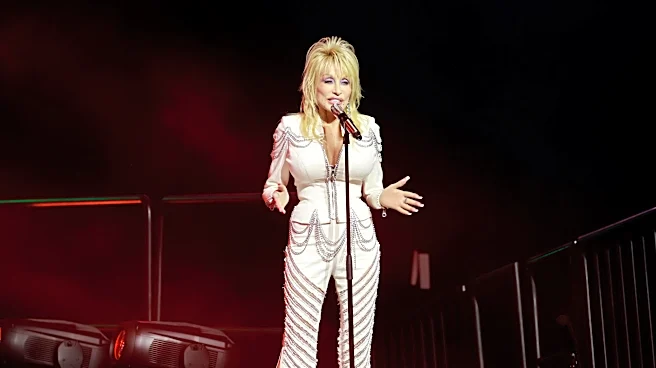
At the Oscars in 2006, Parton delivered a rousing gospel-tinged rendition of "Travelin' Thru." She donned a diamond-studded sparkling suit with towering shimmery heels. Lips lined, hair put up high.
"I know I must keep travelin' 'til my road comes to an end," Parton sang.
"We're all God's children just travelin' through!" Parton shouted as she sashayed across the stage. Then she strutted across the stage while the audience clapped like they were at a Baptist church.
"Sisters and my brothers, love you one another!" she called out.
Parton took the long route home. LGBTQ+ Americans were by her side every step of the way.
This article originally appeared on USA TODAY: Life without Dolly Parton will be a drag for LGBTQ+ fans