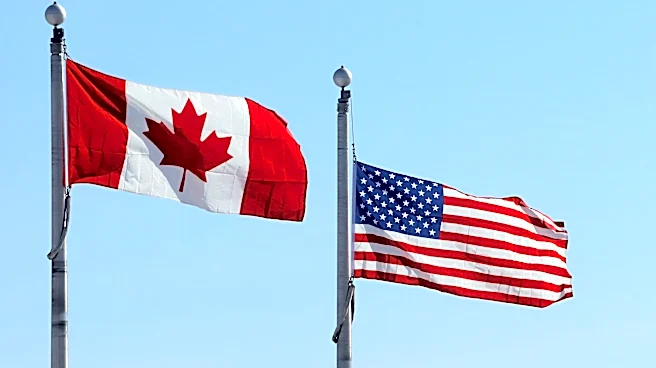







A reignited trade war between the United States and Canada means some prices are likely to rise for consumers in both countries.
After trade negotiations between the two nations fell apart late last week, President Donald Trump’s administration imposed 50% tariffs on select Canadian imports to the United States, and Trump threatened to double U.S. tariffs on all cars, trucks, automotive parts and steel imported from Canada next January – a move that would bring that rate also to 50%.
"Canada has been 'Ripping Off' the U.S.A. for decades," Trump wrote in an Aug. 25 post on Truth Social. "I deal with many countries, and Canada is easily the most difficult and unreasonable. They feel entitled, but they are not a State, and will be entitled no longer!"
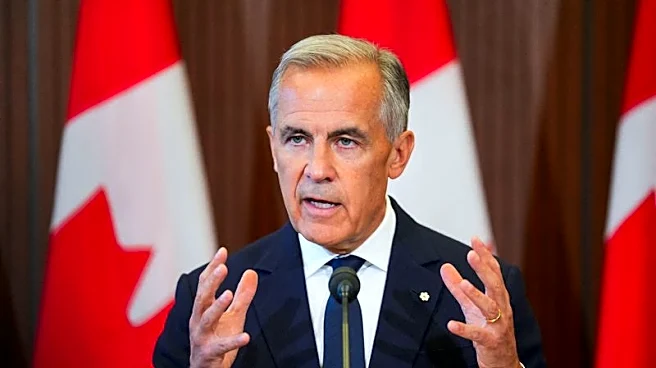
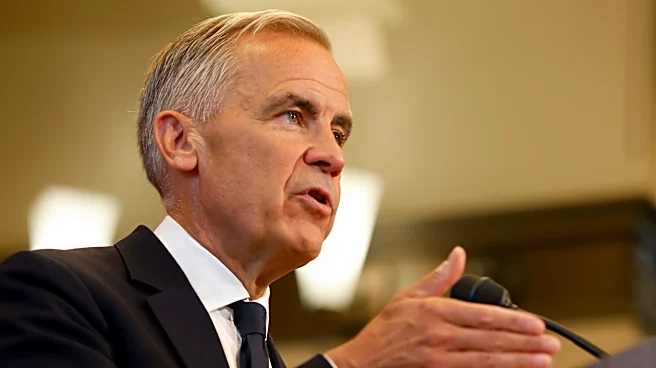
In response, Canadian Prime Minister Mark Carney announced dollar-for-dollar counter-tariffs scheduled to take effect on Sept. 8. He said they will be concentrated in sectors including steel, dairy, appliances, agricultural equipment, pulp and paper, and electronics.
The United States' proposed terms were "uneconomic, unfair, and undermined the net benefits for Canada," Carney said in an Aug. 22 news conference. "In short, they asked too much, and they offered too little."
Although there is still a little more than a week before the Canadian tariffs on U.S. imports are scheduled to take effect and both countries could return to the negotiating table, U.S. Trade Representative Jamieson Greer told Fox News on Aug. 22 that no talks are planned and that "we've said enough."

How do the tariffs work?
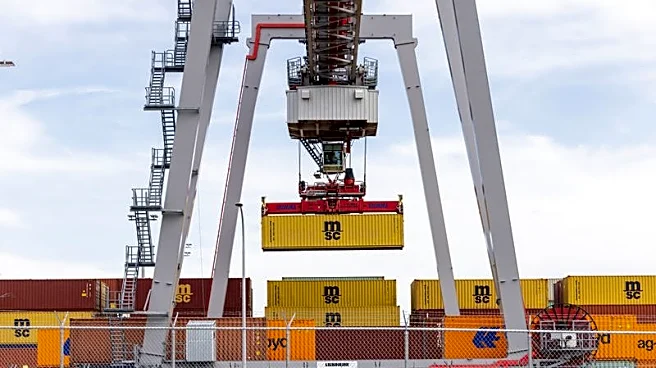
The tariffs are taxes importers pay when purchasing foreign goods that need to cross the border.
U.S.-based importers are responsible for paying the increased costs resulting from the tariffs Trump imposes. Canada-based importers will be responsible for paying the added costs resulting from the tariffs Carney plans to impose.
How much trading do the US and Canada do?
Canada is one of the United States’ largest trading partners, second only to Mexico.
Even so, exemptions limit this round of tariffs’ impact to about 5% of the $382 billion in Canadian imports to the United States recorded in 2025, meaning the hit to most Americans' budgets is also likely to be limited, economists said.
Why do tariffs affect consumer prices?
When tariffs take effect, importers pay more for goods when they cross the border. Importers then sell those goods to retailers. Retailers then sell those goods to consumers.
Importers could, in theory, shoulder the entire increased cost, and continue selling to retailers at the same price as before the tariffs were enacted, but that would shrink their margins.
If they end up charging retailers more, the businesses Americans frequent face a similar dilemma, but many also consider what cost increases their customers could realistically afford before setting the final price American consumers see on shelves and online.
"We know when there are very severe price hikes, or at least a 20% increase in discretionary pricing, about 20% of consumers stop purchasing altogether,” Shikha Jain, a Simon-Kucher partner and lead of the consumer sector for North America, previously told USA TODAY, adding that businesses will carefully weigh price increases, because if they get “too high, they might not be able to move product.”
Have tariffs raised consumer prices?
After Trump announced tariffs on imports from a long list of nations worldwide in April 2025, Federal Reserve Bank of Dallas researchers found that many of those cost increases were passed on to U.S. consumers.
They estimated year-over-year Personal Consumption Expenditures – the Fed’s preferred measure of inflation – would have been 2.3% in March this year, had it not been for tariffs. Instead, it was 3.2%.
What will get more expensive, thanks to US tariffs on Canada?
Shoppers in the United States could end up paying more for hundreds of goods imported from Canada that made the 18-page list the White House posted in July, when Trump first threatened this new round of tariffs.
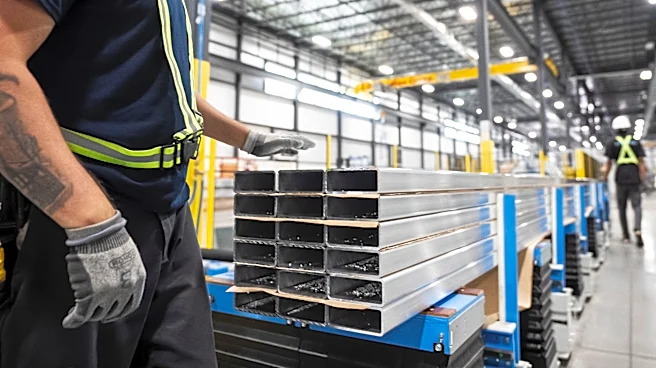
It ranges from flowers and honey to hockey equipment and cameras. Because U.S. homebuilders have historically sourced building materials from Canada, and things like plywood and lumber are also impacted, economists expect the U.S. tariffs on Canadian imports to make the process of building new homes and home renovation projects more expensive.
If Trump follows through on plans to double tariffs on imports from the Canadian auto industry, Americans are also likely to see higher prices when shopping for a new car, as major automakers rely on Canadian manufacturing plants before importing vehicles to sell to U.S. consumers.
Although Trump has said he would like to see more cars "Made in the USA," none fully are. They rely on imported parts, and Jennifer Newman, editor-in-chief of Cars.com, told USA TODAY last year that the automotive industry has been global since its inception and wouldn't be able to adapt its yearslong production cycles quickly.
How does Canadian retaliation affect the US?
While U.S.-based importers, retailers, and consumers are not responsible for paying the tariffs Carney plans to impose on American goods, downstream effects are likely to impact U.S. producers who regularly export products to Canada.
Jain told USA TODAY that U.S. producers who regularly export products to Canada will likely face lower demand and need to rethink their supply chains to serve other countries or more U.S. consumers. She added that people sometimes forget U.S. businesses often import materials from Canada, such as steel, and use them to make products that are then exported back.
"All of that gets disrupted and might get hit with double tariffs," Jain said.
Could a US-Canada trade war make gas more expensive?
In the Aug. 22 news conference, Carney appeared to threaten that Canada could halt its energy exports to the United States, a proposition that would limit oil supply and further drive up the cost of gas for American consumers, who have already been paying more at the pump since the start of the U.S.-Iran war.
"Canada fuels American growth, supplying 99% of their natural gas imports, 85% of their electricity imports, 60% of their crude oil imports," Carney said. "I don’t think they want us to stop sending any of that energy."
While Jain said the United States should make sure not to "exacerbate any of these situations," she's unsure whether Carney's threat is credible.
"It could be a credible threat, but the question is always how, where will Canada sell this?" she added. "Supply chains were set up to transfer all that energy to the U.S."
Reach Rachel Barber at rbarber@usatoday.com, follow her on X @rachelbarber, and subscribe to her newsletter "Making More of Your Money" here.
This article originally appeared on USA TODAY: What the US trade war with Canada and new tariffs mean for prices