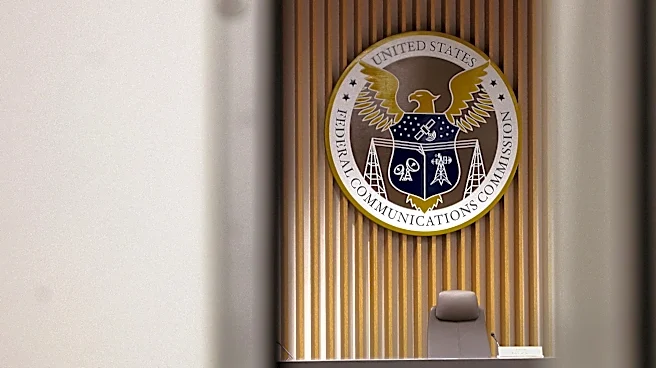






The Federal Communications Commission has long had conflicts with broadcasters, but its ongoing battle with Disney and ABC is something new.
That’s according to several First Amendment experts, who described both the FCC’s order for the Disney-owned ABC to file license renewals ahead of schedule and the network’s subsequent lawsuit accusing the agency of an unconstitutional "retaliatory campaign" as unprecedented steps that could impact American broadcasting for years to come.
The FCC’s order said the agency was investigating "possible violations of the Communications Act of 1934 and the FCC’s rules, including the agency’s prohibition on unlawful discrimination."
Disney and ABC have denied wrongdoing and accused the agency of using the allegation
as a pretext for targeting speech President Donald Trump’s administration doesn’t like.
In addition to the early license renewal proceeding, the FCC has an ongoing probe into ABC related to the agency’s equal time rules. The network accused the FCC of "chilling speech ahead of the fast-approaching 2026 general election" in a July legal filing on the matter.
Duke Law School professor Stuart Benjamin told USA TODAY that "no previous administration" has threatened broadcasters based on the viewpoints presented in their content to the same extent as Trump's.
"I think we're just in a different world here," he said.
USA TODAY reached out to the FCC and ABC for comment.
Loss of license is 'death penalty' for broadcasters
Although individual elements of the ongoing conflict, including the early license renewal order and First Amendment lawsuit against the FCC, have cropped up before, experts said such actions have historically been few and far between.
Among the examples is a lawsuit the Writers Guild of America, West filed against the agency in the 1970s over what the guild described as its pressure campaign to get networks to air only family-friendly content during the first hour of primetime. The court ruled in favor of the guild, finding in part that the FCC unconstitutionally threatened action against broadcasters who did not agree to such regulations.
"This lawless conduct cannot be tolerated if broadcasters are to enjoy meaningful First Amendment freedoms," the court's opinion said.
The "Family Viewing Hour" was abandoned shortly after.
As for early license renewal orders, William & Mary law professor Timothy Zick called them "historically abnormal."
Disney and ABC’s lawsuit said that up until a day before the FCC’s April 28 order, it had not taken such action in more than 50 years.
The FCC in the early 1970s ordered an early license renewal to determine whether a broadcaster had made misrepresentations to the agency by saying it would play rhythm and blues music but playing country music instead. The FCC ultimately rejected the renewal application, and an appeals court affirmed the decision.
Such early renewal action wasn’t taken again until April 27, when the FCC ordered Bridge News LLC, a broadcast company that has acquired low-power television stations around the country in recent years, to submit early license renewal applications as part of an investigation into "possible violations of the FCC’s prohibition on unauthorized transfers of control of the station licenses."
The order to ABC followed the next day.
While the network agreed to a $15 million settlement in a defamation lawsuit brought by Trump in 2024, Zick said losing broadcast licenses would undoubtedly be more costly in the end. It was likely a "line in the sand" for ABC, he said, that made litigation necessary.
"It’s a death penalty, essentially, for a broadcaster," Zick said.
Difference in FCC responses to Trump's broadcast criticism between first, second terms
Experts contrasted federal regulators' actions between the first and second Trump administrations.
Robert Corn-Revere, chief counsel at the Foundation for Individual Rights and Expression, referenced a "stark difference" in FCC leadership specifically.
After Trump suggested broadcasters’ licenses should be challenged over "fake news" in 2017, for example, then-FCC Chairman Ajit Pai said the agency "does not have the authority to revoke a license of a broadcast station based on the content of a particular newscast."
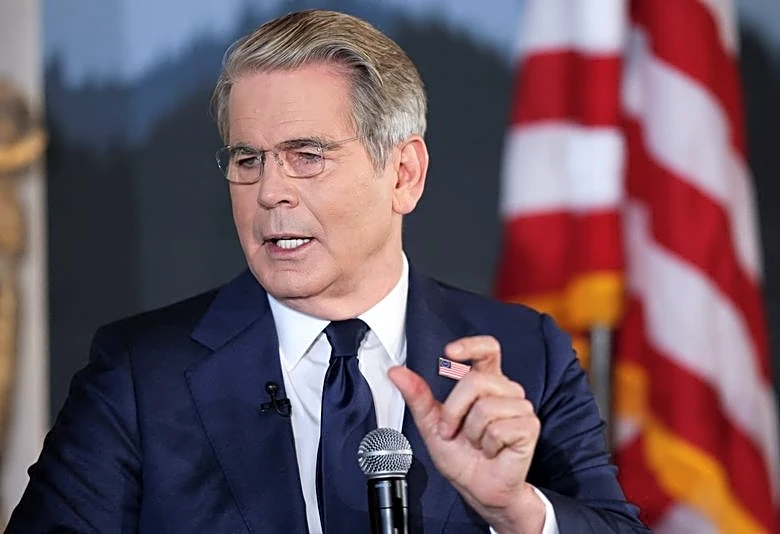
By contrast, current FCC Chair Brendan Carr responded to Trump’s Truth Social post criticizing news coverage of the United States’ war against Iran in March by saying broadcasters "running hoaxes and news distortions – also known as the fake news – have a chance now to correct course before their license renewals come up."
Disney and ABC's lawsuit also noted the timing of the FCC’s early license renewal order, which came one day after Trump called for Jimmy Kimmel to be fired after saying first lady Melania Trump had a "glow like an expectant widow" ahead of the White House Correspondents’ Dinner, which was disrupted by a shooting.
Experts also referenced the U.S. District Court for the District of Columbia’s decision to block the Federal Trade Commission from investigating the liberal watchdog organization Media Matters for America in 2025, finding that the probe was likely retaliatory and unconstitutional. The court also blocked the commission’s investigation into the Endocrine Society, a global medical organization that supports gender-affirming care, on similar grounds in May.
"The first Trump administration was sort of a dress rehearsal, and the second Trump administration is the actual show," Corn-Revere said.
Case could have broader impact beyond ABC, Disney
Though experts said Disney and ABC have a strong First Amendment case, they added that the time, energy and costs associated with the ongoing legal fight could nevertheless prompt broadcasters to be more cautious about their editorial decisions.
"The process is the punishment," Benjamin said.
ABC in June launched an on-air campaign asking viewers to submit comments to the FCC in its defense. Free speech groups including the American Civil Liberties Union and Knight First Amendment Institute submitted a joint comment calling for the FCC to end what they characterized as its "blatantly unconstitutional" actions against ABC.
Even Trump allies have joined in the public criticism of the FCC. U.S. Sen. Ted Cruz, R-Texas, called Carr's remarks about Disney amid backlash over Kimmel's monologue after Charlie Kirk's assassination "dangerous as hell," while U.S. Sen. Rand Paul, R-Kentucky, called them "absolutely inappropriate."
ACLU senior policy counsel Jenna Leventoff said the implications of the FCC’s efforts go far beyond one network or company, framing the ABC battle as significant for press freedom and democracy more broadly.
"Disney isn't just fighting for themselves here with this legal filing, they're fighting for all of our First Amendment rights to get information," Leventoff said.
BrieAnna Frank is a First Amendment reporter at USA TODAY. Reach her at bjfrank@usatoday.com.
USA TODAY's coverage of First Amendment issues is funded through a collaboration between the Freedom Forum and Journalism Funding Partners. Funders do not provide editorial input.
This article originally appeared on USA TODAY: How the FCC-ABC battle could reshape US broadcasting