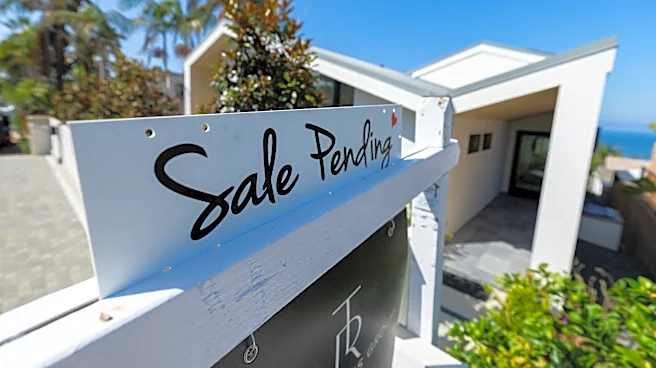






Homebuyers face higher borrowing costs after the 30-year fixed rate for mortgages rose last week to its highest level in nearly two years.
Don’t just blame the Federal Reserve.
While it’s true that Fed policymakers on Sept. 16 raised their benchmark for short-term interest rates to combat stubborn inflation, that doesn’t mean they also raised mortgage rates.
The federal funds rate stands at a range of 3.75% to 4%, a quarter percentage point higher than before. That’s generally good news for savers and bad news for borrowers. But unlike high-yield savings yields or credit card APRs, which respond to changes in the Fed’s target range, home loan rates and the federal funds rate are loosely linked.
The Fed does not set mortgage rates. The 30-year fixed
rate for mortgages, for example, tends to follow the yield on the 10-year Treasury note. Still, the Fed can influence mortgage rates indirectly if its policy decisions move Treasury yields.
"While I don't expect one Fed meeting to change the housing market overnight, what matters now for Americans is whether their entire financial picture starts to feel more manageable," Mike Miedler, Century 21 Real Estate's president and CEO, said in a note. "Families are making a housing decision alongside the cost of groceries, gas, childcare, and everything else in their budget."

What does a Fed hike mean for mortgage rates?
Ahead of the Fed’s September meeting, the 10-year Treasury yield reached 5%, its highest level since 2023, while the average 30-year fixed mortgage rate climbed to 7%, according to Bankrate data. Those levels reflected a range of concerns, including stubborn inflation and geopolitical risks. The expected Fed rate hike was one consideration.
Inflation expectations are one factor that can push Treasury yields higher. If investors expect prices to keep rising, they typically demand higher returns to make up for the purchasing power they could lose over the life of the bond.
After the Fed rate hike on Sept. 16, Treasury yields initially dipped. Higher short-term borrowing costs can slow spending and demand, which can help slow the pace of price increases over time. Investors saw the move as a sign that policymakers were taking inflation seriously.
But the dip did not last. In the days after the decision, developments outside the Fed’s control had pushed the 10-year Treasury yield higher again.
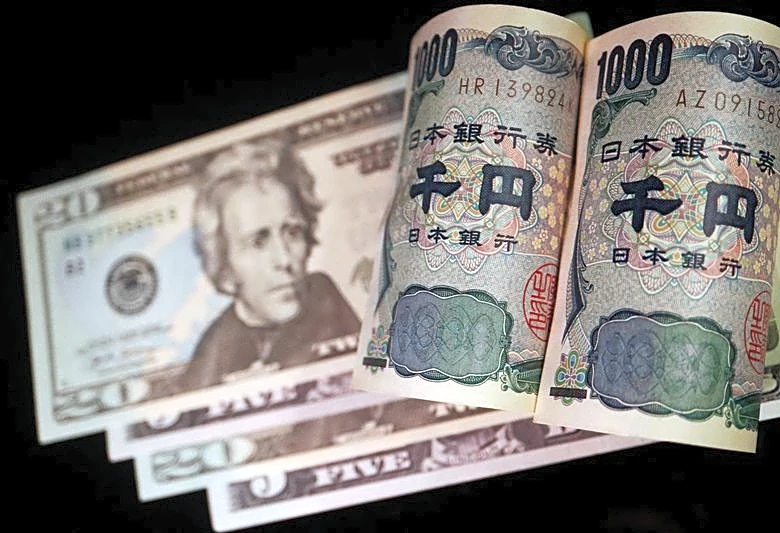
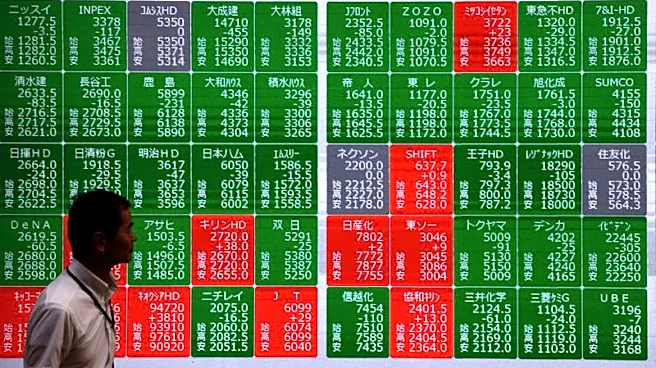
“That tailwind quickly faded after the Japanese central bank raised rates without taking as firm a stance on inflation as markets expected, putting renewed pressure on U.S. Treasuries and mortgage rates,” Jeff DerGurahian, loanDepot’s chief investment officer and head economist, said in a note.

What is driving mortgage rates higher?
If the Fed’s rate hike isn’t to blame for the rise in 10-year Treasury yields and mortgage rates, what is?
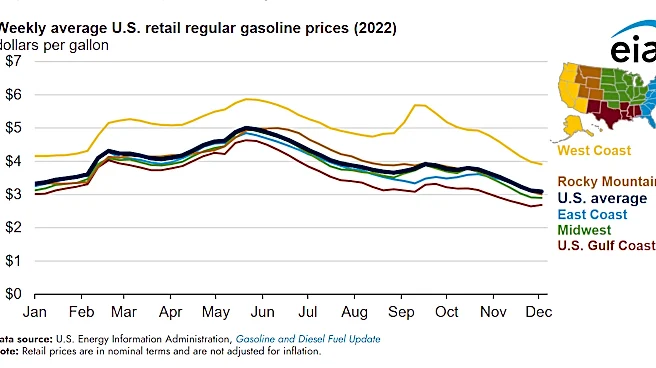
Several factors, including investor confidence, bond buybacks, and geopolitical developments. But oil prices and inflation “are now the market’s primary focus,” according to DerGurahian.
“If oil supplies improve and prices stabilize or move lower, that could ease some of the inflation pressure weighing on bonds and mortgage rates,” he said. “But if oil remains elevated or moves higher, it could keep inflation concerns alive and make it harder for rates to improve.”
Again, several factors are behind the rise in energy prices. Wars in the Middle East and between Russia and Ukraine that have limited the global oil supply are contributing.
"A single rate cut is not going to placate this bond market for long and will not solve inflation," Byron Anderson, Laffer Tengler Investments’ head of fixed income, said in an email after the Fed's Sept. 16 decision, echoing comments he made before the rate hike. “An Iran solution would be much better than rate hikes but alas.”
As of Sept. 22, oil prices were falling on hopes of renewed U.S.-Iran negotiations and reports about the reopening of a key oil pipeline in Saudi Arabia. Still, futures for West Texas Intermediate oil, the U.S. benchmark, were trading near $91 per barrel, up 35% since the start of the Iran war on Feb. 28.
What does this mean for homebuyers?
Mortgage rates are likely to remain elevated but could mellow a bit if inflation moderates and long-term yields fall, according to Joseph DaGrosa Jr., chairman of DaGrosa Capital Development Partners and Axxes Capital.
If that happens, "I believe there is significant pent-up housing demand that could come back into the market relatively quickly," DaGrosa said.
That may be a big “if.”
“The hope is that the Fed raising rates will help potentially curb the steady rise of mortgage rates that we've seen recently, but there are many other factors as well," Matt Schulz, LendingTree's chief consumer analyst, said. "Honestly, it's anybody's guess as to what the impact will actually be."
For now, homebuyers are stuck with mortgage rates comparable to the highs seen over the last four years and borrowing costs far higher than the historically low rates some secured during the COVID-19 pandemic.
"For consumers, the best plan is to assume that rates are going to be higher," Schulz said. "It's always better in those sorts of situations to prepare for the worst and be pleasantly surprised than be unprepared."
Reach Rachel Barber at rbarber@usatoday.com, follow her on X @rachelbarber_, and subscribe to her newsletter "Making More of Your Money" here.
This article originally appeared on USA TODAY: What does a Fed rate hike mean for mortgage rates?