




Nearly a week after Election Day, it could still take several more days before the winners in the Mississippi and Alaska Senate races are known.
Democratic candidates who are challenging incumbent Republicans in the two states are both currently leading by narrow margins, with enough votes still outstanding to potentially swing the races.
The outcomes of the two elections will determine just how wide the Democratic margin in the Senate will be once new senators take their seats in January. Democrats and Independents who caucus with Democrats currently have 54 of the incoming Senate's seats, compared to 44 for Republicans.
Here's a look at why it's taken so long to call the two remaining Senate election results and when we may know who won:
When will the Mississippi Senate race be called?
Over
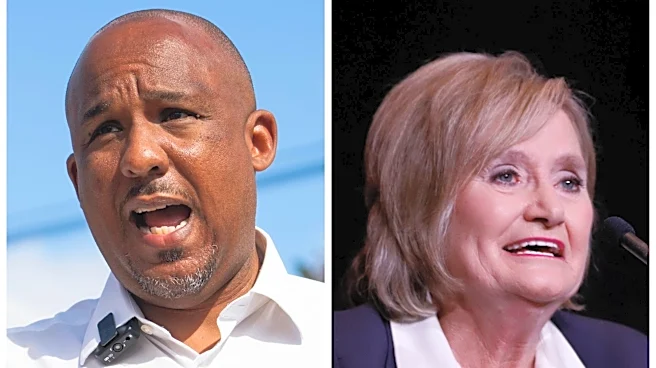
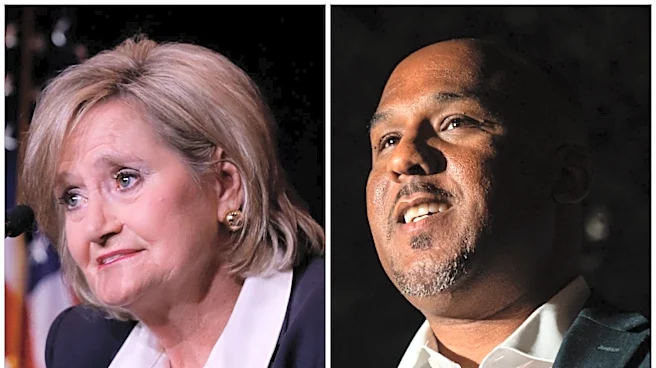
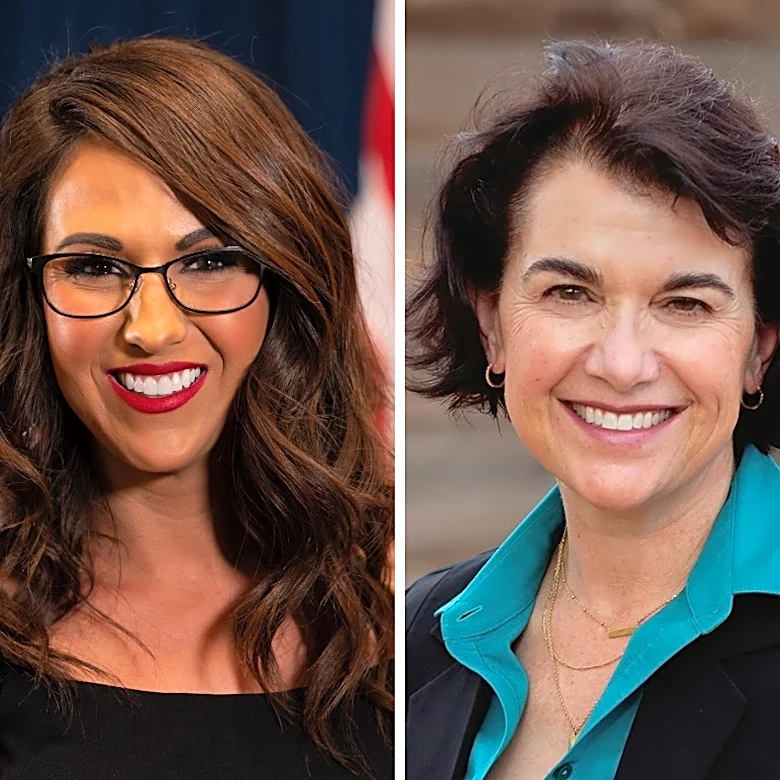
the past several days, Mississippi Democratic challenger Scott Colom's narrow lead over incumbent Republican Sen. Cindy Hyde-Smith has grown. While Colom was leading by fewer than 100 votes the afternoon following the Nov. 3 Election Day, by 11:42 a.m. ET on Nov. 9, that lead had grown to more than 2,500 votes according to the Associated Press's posted results, which estimated that about 97% of the total votes have been counted.
More clarity could be coming soon as the Nov. 10 deadline for absentee mail-in ballots that were posted by Election Day to arrive approaches.
But even once those are counted, there could still be a fight over Mississippi's provisional ballots, known as "affidavit ballots" in Mississippi. Those are ballots that need to be further evaluated, to ensure the voter is legally eligible to vote.
"That might take us a very long time – days and weeks – to figure out exactly who the winner is in that very, very close election," David Becker, a former DOJ voting rights lawyer who runs the Center for Election Innovation & Research, said on a call with reporters Nov. 4.

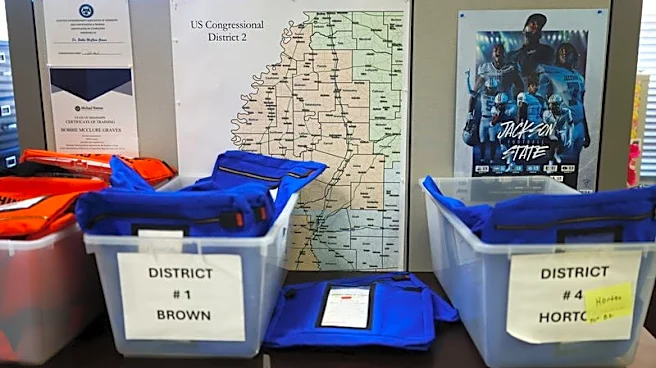
The day after the election, Mississippi Secretary of State Michael Watson said in a statement that about 3,600 mail-in ballots were still outstanding as well as "an unknown number of affidavit ballots" that needed to be processed within a 10-day window for counties to certify their results.
In an interview with Jackson, Mississippi news outlet WLBT on Nov. 5, Watson estimated there were "between 12,000 and 20,000 affidavit ballots remaining uncounted,” and the current rate of accepting those ballots at the time of his interview was 76%.
If a legal fight unfolds, that could slow things further. On Nov. 5, Hyde-Smith's legal team sent a letter to Mississippi's 82 counties demanding that they separate affidavit ballots "to ensure that each affidavit ballot's eligibility for counting and ultimate disposition can be verified."
Later that day, a lawyer for Colom's campaign sent a letter to the counties saying Hyde-Smith's demands "have no basis in Mississippi law" and they should not segregate affidavit ballots they accept from other paper ballots.
While Mississippi law doesn't provide for an automatic recount in the state, Becker said on the Nov. 4 call that a candidate could still go to court to try and get one, which could slow things further.
When will we know the Alaska Senate election results?
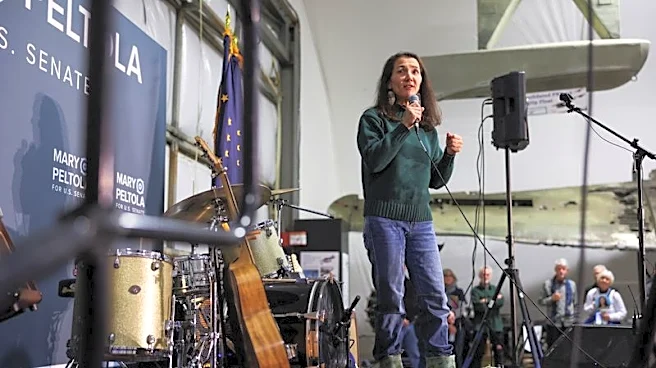
Meanwhile, Democratic candidate Mary Peltola is leading incumbent Republican Sen. Dan Sullivan in a race that is also very tight, but with far more outstanding votes still to be counted. By 12:07 p.m. ET Nov. 9, Peltola was leading by about 600 votes, but with only about 74% of the votes counted, according to the AP's posted results.
The specific nature of Alaska's voting system, where many ballots come in from remote precincts, makes getting results in the state take longer in close races. The state also has a significant population of military voters, whose ballots can arrive up to 15 days after Election Day, as long as they were postmarked by Election Day.
Election officials will have to wait "for some time" for votes to come in from remote areas, Becker said on the Nov. 4 call.

If no candidate gets more than 50% of the vote, Alaska's ranked-choice voting system comes into play, which could mean further delays. Under state law, the ranked-choice tally wouldn't start until Nov. 18.
"So it might be the second half of November where we get a really good sense of that," Becker said.
This article originally appeared on USA TODAY: Why are Mississippi and Alaska Senate races taking so long to call?