



For two years, Oct. 7 had no address for my family.
Our son, Itay, was kidnapped into Gaza on Oct. 7, 2023. Months later, we learned he had been killed that morning, yet for more than 760 days there was no place my wife and I could go to be with him. We marked the day in suspended grief, waiting for word that he was finally coming home.
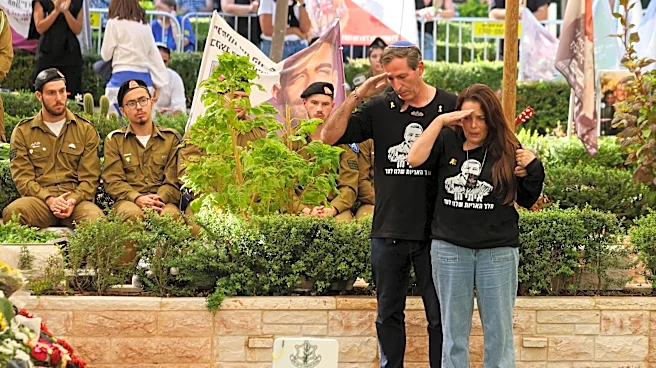
This year is different. Finally, we have a place to mourn. On the third anniversary, we will stand at Itay’s grave. For the first time, we can sit beside our son, touch the stone that carries his name, and grieve the way parents should be allowed to grieve.
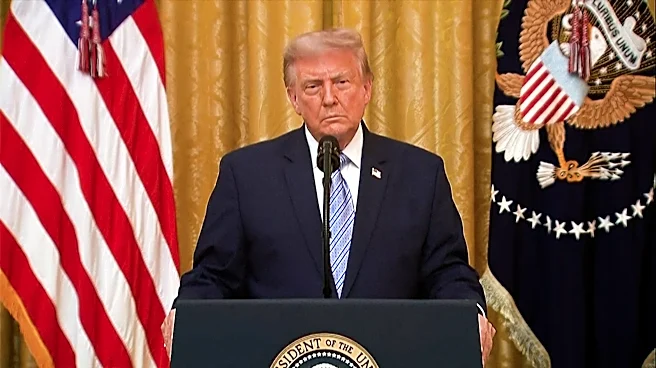
I owe this to President Donald Trump, Steve Witkoff and Jared Kushner, who refused to close the file until Itay, the last American hostage, came home to be laid
to rest.
They understood that America does not leave its citizens behind. My family will never forget it.
Three years later, too many Oct. 7 questions remain

But gratitude has not quieted the questions.
Close to 50 American citizens were killed on Oct. 7, 2023, one of the deadliest assaults on Americans since 9/11. Yet most Americans have never heard that number.
They do not know the names Adrienne Neta, Aryeh Ziering or Cindy Flash. These were not foreign casualties of someone else’s war. They were Americans.
Three years on, no one has answered our families how this happened. No accounting of how a border collapsed and our loved ones were murdered and kidnapped. We are deeply disappointed that Israeli Prime Minister Benjamin Netanyahu has refused to initiate a state commission of inquiry, leaving all our families without the truth.
Grief without answers is a wound that cannot close.
Honor American victims by pursuing justice
Nevertheless, Washington is listening. Sens. Rick Scott, R-Florida, and Jacky Rosen, D-Nevada, on Sept. 30 led a unanimous bipartisan Senate resolution honoring the American victims by name and committing to pursue justice for their families and a call to provide the families with holistic support.
Justice must also mean consequences for those who paid for the killing. As Washington weighs the fate of frozen Iranian assets, it faces a moral test. Hamas did not arm itself; I and many others believe Iran paid for it.
Before a single dollar is released to Tehran, a portion of those assets should be directed to the families of the victims of Sept. 11, Oct. 7 and other terrorist attacks. Let the regime understand that the United States holds it responsible for the proxies it bankrolls and for those U.S. hostages still held in captivity.
As a father, I must also ask: How do we spare the next family the road we have walked?
The answer lies in building and expanding on President Trump’s Abraham Accords. The Abraham Accords should be more than his legacy. The accords should also honor the Americans killed by those determined to stop normalization in the Middle East.
The accords can be a living memorial to our loved ones: building where extremists sought only death and despair. Real economic integration, with shared supply chains and trade corridors linking Israel and Arab countries, gives young people a future worth protecting instead of a cause worth dying for. Every new partnership raises the price of the next war.
On Oct. 7, our family and friends will gather at Itay’s grave. I hope that one day we can tell him his country remembered, demanded answers, made his killers’ patrons pay, and that his sacrifice was not in vain but helped build a Middle East where no parent waits more than two years to bury a child.

Ruby Chen is the father of Itay Chen, a 19-year-old Israeli American soldier killed by Hamas on Oct. 7, 2023. Itay was held in Gaza until November 2025, the last American hostage to be returned.
This article originally appeared on USA TODAY: My son was killed Oct. 7, 2023. We couldn't bury him for over 760 days