









Shopping for a new mattress can quickly get overwhelming. Between memory foam, hybrid and innerspring models, plus different firmness levels and price points, finding the best mattress ultimately comes down to what helps you sleep comfortably.
A good mattress should offer a balance of comfort, support and value, whether you’re a side sleeper looking for pressure relief, a hot sleeper searching for a cooler bed or simply ready to replace an aging mattress. With so many options available online, narrowing down the right one can make the buying process considerably easier.
To help you find the right fit, we’ve rounded up some of the best mattresses worth considering for different sleep preferences and budgets. Below, you’ll find our top mattress pick,
along with the runners up and key details to consider before making your purchase
Compare the best mattresses of 2026
- Best overall: Puffy
- Best hotel-style mattress: Saatva
- Best memory foam mattress: Amerisleep
- Best hybrid mattress: DreamCloud
- Best mattress for back pain: Nectar
- Best cooling mattress: Casper
- Best eco-friendly mattress: Avocado
- Best mattress for customization: Helix
- Best mattress for pressure point relief: Purple

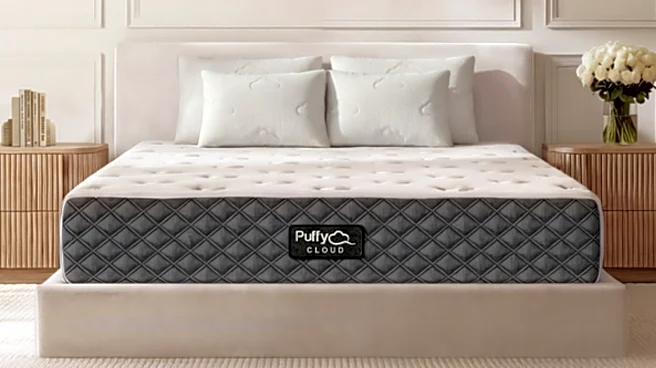
Puffy
BEST OVERALL
- 365-night sleep trial
- Lifetime warranty
- All mattresses are assembled in the USA
- Known for plush, pressure-relieving memory foam comfort
Shop now
Puffy is a luxury mattress brand with models ranging from Ultimate-Plush to Medium-Firm. Rated 4.9 stars by more than 14,000 sleepers, Puffy is rated well for back pain, motion isolation, cooling and more. Models include both memory foam and hybrid mattresses, which means nearly every sleep style can find a comfortable, supportive night's rest. Every Puffy mattress is backed by a year-long sleep trial and a free Lifetime warranty.

Saatva
- 365-night home trial
- Lifetime "Friends for Life" warranty
- Free white-glove delivery and old mattress removal
- Multiple firmness options across several luxury mattress lines
Shop now

Amerisleep
- 100-night sleep trial
- 20-year warranty
- Proprietary Bio-Pur® foam designed to sleep cool
- Zoned HIVE® support system helps promote spinal alignment
Shop now

DreamCloud
- 365-night sleep trial
- Forever Warranty™ lifetime coverage
- Hybrid design combines foam comfort layers with pocketed coils
- Range of price and firmness options
Shop now

Nectar
- 365-night home trial
- Forever Warranty™ for the original owner
- Available in both memory foam and hybrid models
- Popular choice for side sleepers and pressure relief
Shop now

Casper
- 100-night sleep trial
- 10-year limited warranty
- Strong motion isolation for couples
- Well-known mattress-in-a-box brand
Shop now

Avocado
- Up to a 1-year sleep trial on flagship mattresses
- 25-year limited warranty
- Made with certified organic materials including latex, wool, and cotton
- Strong choice for eco-conscious shoppers
Shop now

Helix
- 120-night sleep trial
- Limited lifetime warranty
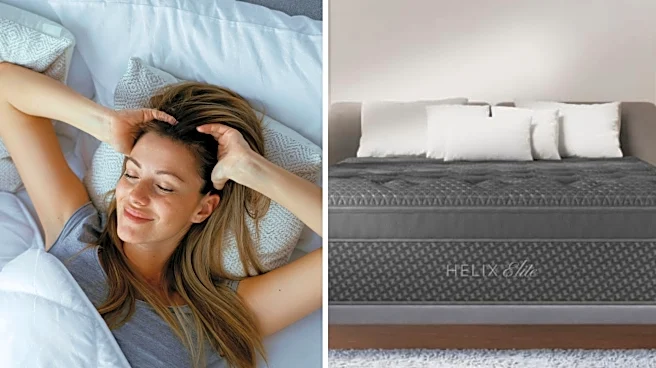
- Personalized mattress matching quiz helps shoppers find the right model
- Extensive lineup tailored to different sleep positions and body types
Shop now

Purple
- 100-night sleep trial
- 10-year limited warranty
- Proprietary GelFlex® Grid technology provides pressure relief
- Popular among hot sleepers thanks to its breathable design
Shop now
When is the best time to buy a mattress?
Mattress companies run sales year-round, so you're almost always going to get a good price on top brands.
However, the best time to nearly guarantee you'll get a good deal is to buy a mattress is around the major sale days, like Black Friday, Labor Day and Memorial Day.
How often should you replace your mattress?
As a rule of thumb, you should replace your mattress every seven to 10 years. But, you may find that innerspring mattresses wear out faster, and hybrid mattresses last a few years longer. You'll know it's time to replace your mattress by recognizing a few key signs:
- Visible sagging or dips: If your mattress's structure is compromised, it might start to sag and dip where it once didn't. You might notice body-shaped dips in your mattress, or a valley in the middle.
- New or worsened morning aches and pains: If you wake up stiff in your back, neck, hips or shoulders, it could be your mattress. This is especially likely if the pain goes away once you're awake. A new mattress might be all you need to wake up less sore.
- Allergies get worse: Over the years, mattresses can trap dust mites, allergens, dirt and dead skin. Waking up congested or sniffly could be a sign you need to replace your mattress.
- You sleep better elsewhere: If you sleep at a hotel and wake up feeling like you had the best sleep of your life, that is a major clue that you need a new mattress.
- Excess noise: New loud speaking and creaking is a clear sign you need to start mattress shopping.
What to look for when shopping for a new mattress
When shopping for a new mattress, comfort should naturally be top of mind. Your new bed should match your sleep style and help mitigate sleep disruptors like overheating, back pain or sleeping with a partner who tosses and turns.
Once you've found the best mattress for your needs, a few other key features to consider include:
- Sleep trail period: Many top mattress brands offer a few months to test out the new mattress before you fully commit. You'll commonly see 100-day sleep trials, but some even go as far as to let you test it for an entire year.
- White glove delivery: Mattresses are big, heavy and hard to move. Instead of trying to get your new bed out of your truck, in your home and up the stairs to its new home, find a mattress company that will do it for you. It's not uncommon to get free (or at the very least affordable) white glove delivery when buying a new mattress.
- Mattress warranty: A warranty is different than the sleep trial, and typically last up to 10 years (although the range is generally five to 20 years). Mattress warranties cover manufacturer defects or structural issues, like excessive sagging or broken coils. These problems may not manifest in the first few months of sleeping, and instead can take a few years. That's where a long, extensive warranty becomes critical.
- Old mattress removal or recycle: It's hard to store an old mattress, and even more of a pain to get rid of one. Along with white glove delivery, look for a mattress company that will take yours with them once they drop the new one off.
- Customer reviews: Customer reviews are your best source of real consumer experiences. Customer reviews can help you find a mattress that fits your sleep needs. Reviews can also provide insight to post-sale customer service, such as how warranties are actually treated and how hard it is to replace the mattress if you found it wasn't quite right during the sleep trial.
- Return policy: While finding your perfect mattress on the first try is the goal, it doesn't always happen. Sleep trials are one thing, but you should also know what the return policy is if you truly don't like your new mattress.
USA TODAY Shopping will be covering all the best deals and drops, so be sure to check us out on Flipboard, follow us on TikTok, sign up for our newsletter and follow us on Instagram to stay updated!
This article originally appeared on USA TODAY: We compared the best mattresses of 2026, see which came out on top
Our editors independently choose our recommendations. Some content is produced with paid support from a third party, however our editorial decisions remain independent. If you buy through our links, the USA TODAY Network may earn a commission. Prices and availability may change.