









A new post-traumatic stress disorder treatment has resulted in 68% of patients in a clinical trial no longer meeting the criteria for the trauma- and stressor-related condition and a 52% reduction in symptoms.
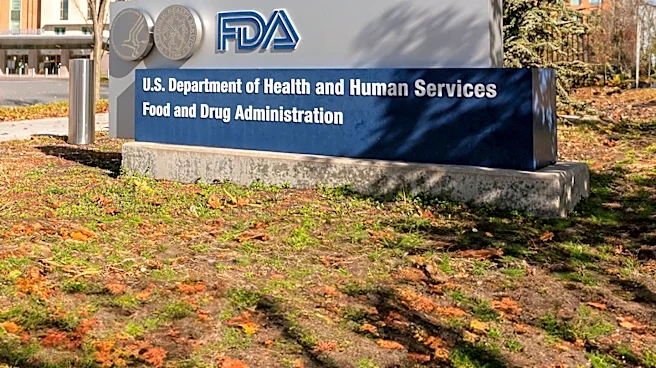
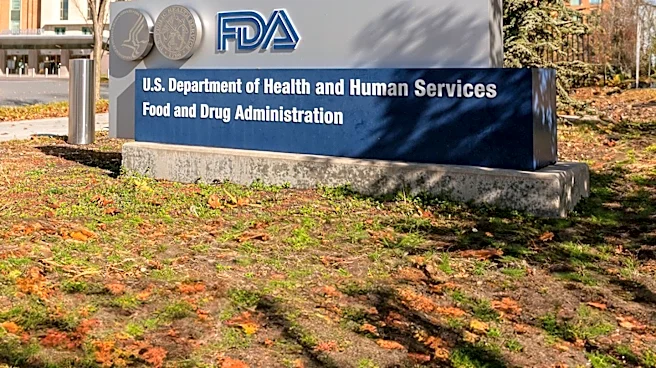
Wave Neuroscience said Magnetic e-Resonance Therapy (MeRT), a treatment it developed with researchers at Texas A&M University, uses measurements of a patient's brain activity to customize magnetic stimulation intended to change that activity. The U.S. Food and Drug Administration cleared the treatment in June 2026, meaning it can be marketed for its specified use, but it does not guarantee that every patient will benefit.
The clinical study's findings were published Oct. 23.
Here's how the treatment works and what the reported results could
mean for people living with PTSD.
What is PTSD?
PTSD can develop after a person experiences or witnesses a traumatic event, such as military combat, a serious accident, a natural disaster or violence, according to the National Center for PTSD. Symptoms can include distressing memories, nightmares, avoiding reminders of the event and feeling constantly on alert.
An estimated 6% of Americans will experience PTSD during their lifetimes, the U.S. Department of Veterans Affairs said. In the United States, roughly 17.5 veterans die by suicide each day, and about 7% of veterans receive a PTSD diagnosis annually, per the National Center for PTSD.
Treatment typically involves psychotherapy, medication or both. While these approaches can help, some people continue to experience symptoms or struggle to complete treatment.
How does the new PTSD treatment work?
MeRT uses measurements of a patient's brain activity to help doctors tailor the treatment to that person's brain.
First, an electroencephalogram (EEG) records the brain's electrical activity. An algorithm then uses those measurements to help tailor the treatment to the individual.
The treatment uses transcranial magnetic stimulation (TMS), which delivers magnetic pulses through a coil placed against the scalp to stimulate brain activity. TMS is also used to treat conditions such as depression. MeRT takes it a step further by using each patient's brain measurements to guide the treatment.
What did the clinical trial find?
Wave Neuroscience reported that patients experienced an average 52% reduction in PTSD symptoms, and 68% no longer met the clinical criteria for PTSD after treatment.
The FDA reviewed a clinical trial involving 158 adults with PTSD. Participants received either MeRT or a sham treatment, which was designed to mimic the real treatment without providing its active effects.
According to the FDA's review, patients who received MeRT experienced a significantly greater improvement in PTSD symptoms than those who received the sham treatment. However, more information is needed to fully understand the study's results and how long the benefits may last.
What happens next?
The FDA clearance provides another treatment option for adults with PTSD; however, questions remain about how well the approach will work across broader patient populations and how accessible it will be.
Researchers also hope that personalized brain stimulation could eventually inform treatments for other mental health conditions, including depression and anxiety.
Further research and independent scrutiny of the clinical results will help clarify the treatment's benefits, limitations and long-term effectiveness.
Reporter Anthony Thompson can be reached at ajthompson@usatodayco.com or on X @athompsonUSAT
This article originally appeared on USA TODAY: New PTSD treatment shows 68% remission rate in clinical trial