

As the U.S. war on Iran has reached the six-month mark, Americans are not just largely opposed to the war, but are mostly in the dark about its objectives, successes and failures; military and civilian casualties; and the conditions under which service members are carrying out their duties.
Despite oft-repeated claims by Trump administration and Pentagon officials about being the “most transparent” administration in history, the facts tell a different story. As someone who served as a military and Pentagon spokesman for two decades, under both Republican and Democratic administrations, during war and peace, I believe this administration is the least transparent in recent history.

Transparency is generally being open and honest, using clear communication
to provide facts and motives without hidden secrets.
The U.S. military is never totally transparent, given its need to protect classified information and operational security. There are valid reasons to protect certain information from disclosure that could cost American or allies’ lives, or give our adversaries information that could be used against us, particularly in combat.
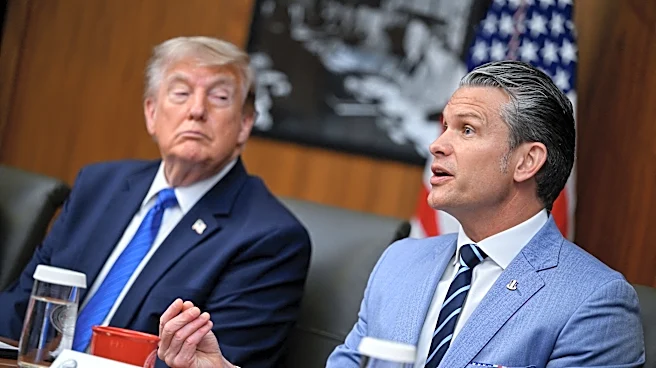
However, the Pentagon under Defense Secretary Pete Hegseth has been opaque. He has curtailed and tried to control information flow to the public.
He dismantled the well-established, experienced Pentagon press corps; he has held very few briefings with the media; he has fired senior staff and reporters at Stars and Stripes, taking editorial control away from an independent newspaper serving service members and their families since World War II; and he has secretly hired partisan influencers to provide biased information.
Iran war has no embedded reporters. That's concerning.

During the current war on Iran, the Pentagon has held only eight press briefings in six months, with the last occurring May 5. There are no journalists embedded with military units to report firsthand on operations in the Middle East or around the world.
For many decades, reporters routinely embarked aboard Navy ships and flew in military aircraft, observing training exercises, operations and routine duties. Through two major wars in Afghanistan and Iraq, the Department of Defense provided timely, accurate information to the public without compromising operational security.
Senior department officials, from the secretary of Defense and chairman of the Joint Chiefs of Staff to operational commanders and enlisted leaders, regularly briefed the media as a conduit to American and worldwide audiences. In addition, experienced journalists were stationed with military units on land, in the air and at sea to report firsthand on military operations and the service members who conducted them.
I was directly involved in helping create the media embed program for the war in Iraq and developing the ground rules that were openly discussed and agreed to in advance of the war by senior Pentagon officials and news organization leaders.
Journalists operating with military units were required to adhere to ground rules as a condition of their embeds – not to censor them or hide bad news, but to protect sensitive information.
For example, embedded reporters were not permitted to report the names of service members killed or wounded before their families could be formally notified. Also, reporters weren’t allowed to report on battles yet to come, to avoid giving our enemies advance information on war plans or coming operations.
Pentagon's secrecy on Iran echoes Vietnam era
The embed program was created to counter the known disinformation and propaganda practices of Saddam Hussein’s regime in Iraq and to enable independent journalists to provide firsthand accounts of the operations they witnessed. Then-Defense Secretary Donald Rumsfeld approved the embed plan for those reasons, knowing that “bad things" will happen in war, but that openness and transparency were the best way to provide facts and context about what was happening on battlefields far from home.
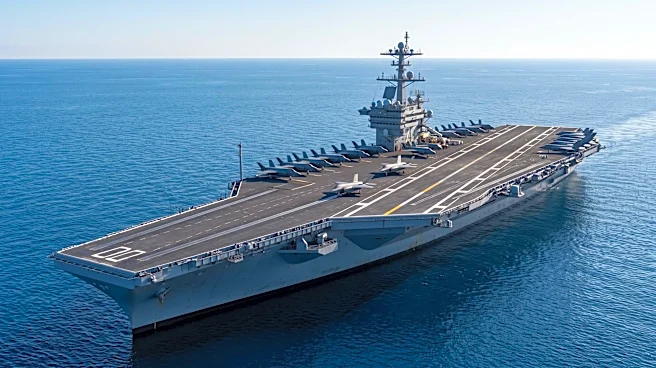
By failing to keep the public regularly informed through news briefings about the war in Iran or embedding journalists with military units to provide independent reporting, the Pentagon has become opaque and lost credibility. As a result, situations like the problems reported aboard USS Abraham Lincoln and USS Benfold become contested because news reports were based on accounts from concerned families of those serving.
Americans don’t know or understand what its military is doing – not just in Iran, but in the U.S. and around the world – because the department hasn’t been transparent and hasn’t provided "timely and accurate information so that the public, Congress and the news media may assess and understand the facts about national security and defense strategy," as is as required by its policy.
In the early 1970s, the Pentagon Papers famously revealed information about the war in Vietnam that proved successive administrations lied and withheld information from Congress and the public about the scope and conduct of the war.
The publication of the secret department study in the New York Times deepened public distrust of the executive branch, which led to the Watergate scandal and then-President Richard Nixon’s resignation.
This administration would do well to heed the lessons of that dark chapter in American history and reverse overly restrictive media and information release policies that foment distrust of our military and its actions.
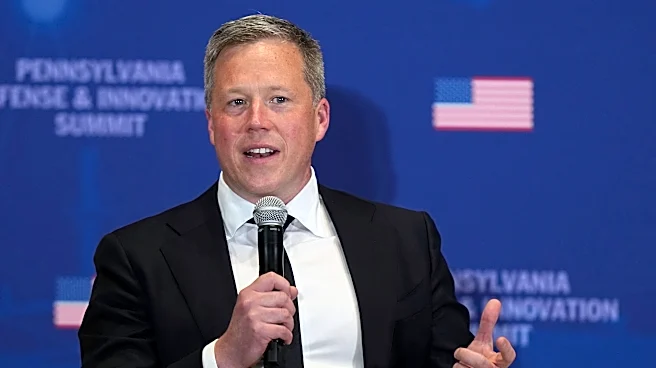
David Lapan is a retired Marine colonel and member of National Security Leaders for America, He served as spokesman for the Marine Corps and the departments of Defense and Homeland Security.
This article originally appeared on USA TODAY: Hegseth's Pentagon is hiding Iran war from the American public | Opinion