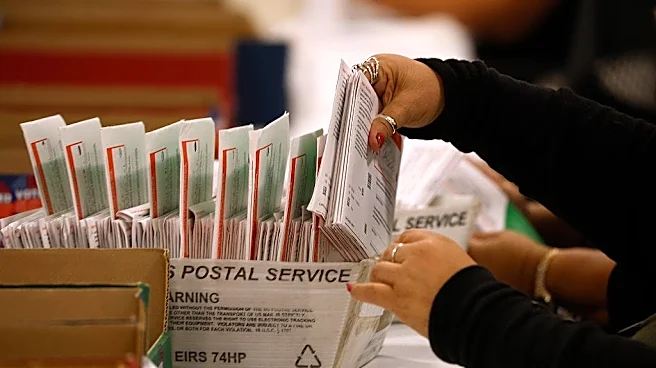




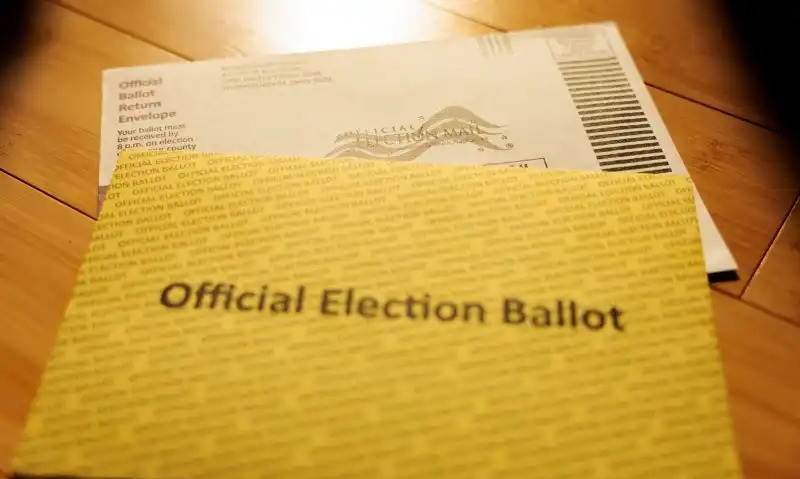
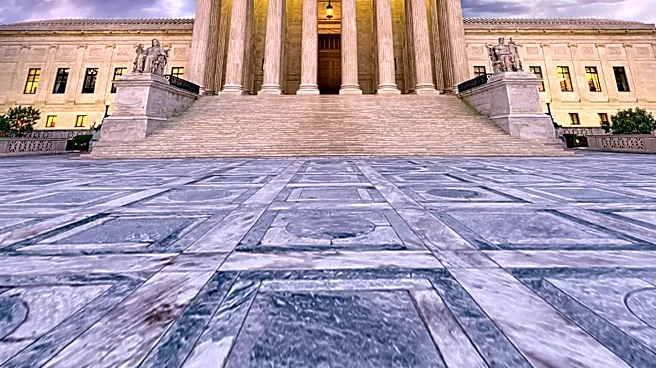
The Supreme Court has cleared the way for voting by mail to continue as usual ahead of the midterm elections in November.
On Sept. 14, the court's majoritysided in favor of a lower court's ruling to halt the U.S. Postal Service from implementing mail-in ballot restrictions, delivering a blow to President Donald Trump's bid for the changes.
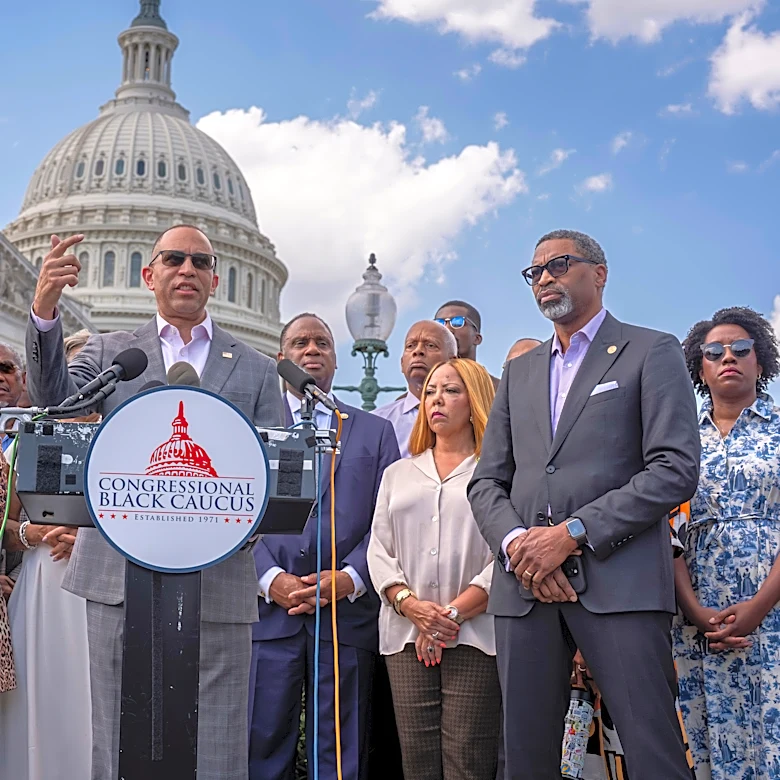
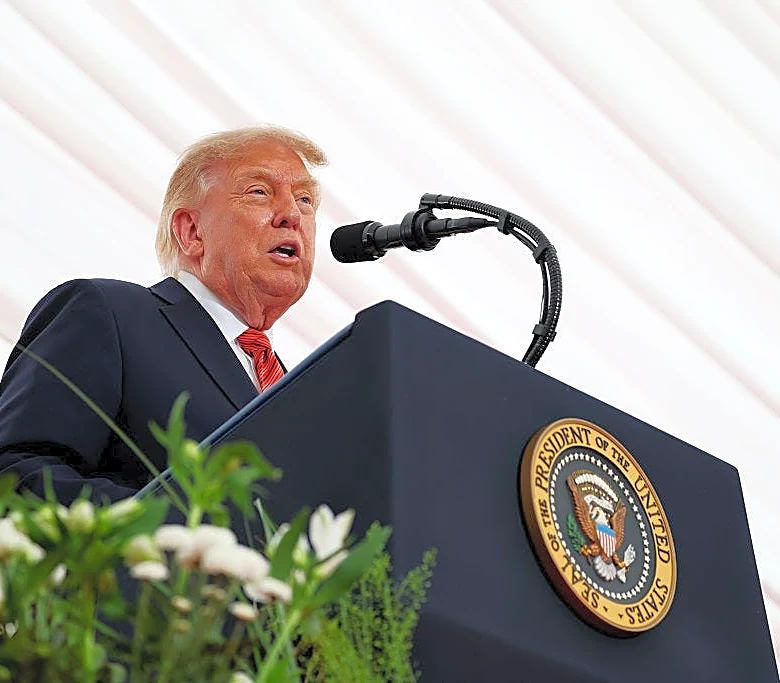
Trump signed an executive order in March for more federal control over mail-in voting, prompting swift criticism from Democrats and voting rights groups.
Some state officials challenged the restrictions in court. U.S. District Judge Indira Talwani on Aug. 27 blocked the Postal Service changes, saying they would likely be impossible to carry out for midterms this year. Trump's administration, in an unusual step,
asked the Supreme Court to weigh in before an appeals court reviewed Talwani's decision.
Here's what to know about mail-in voting after the Supreme Court's Sept. 14 decision.
Can you still vote by mail?
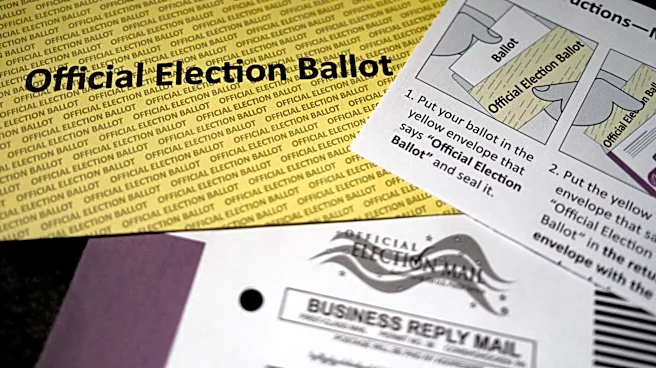
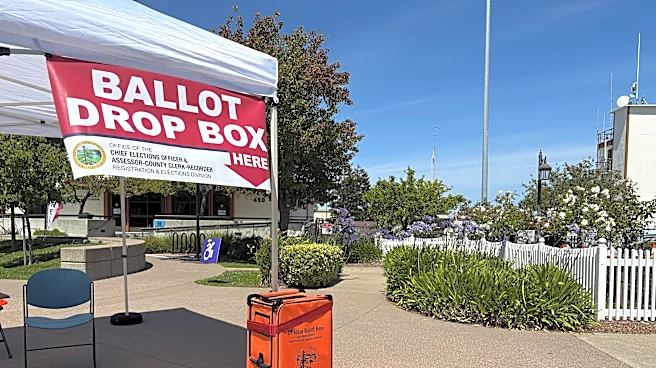
Yes, voters can still send in their ballots by mail for the midterm elections this year.
The Supreme Court's Sept. 14 decision upholds existing practices for voting by mail through the Nov. 3 election.
Elections are administered on the state level, so voters should check with their local election office for deadlines and procedures for mail-in ballots.

Some states, like North Carolina, have already started mail-in voting, while others, like Wisconsin, Idaho and New York, begin this week.
See which states offer mail-in voting programs on the National Conference of State Legislatures website.
What did the Supreme Court decide about voting by mail?
The Supreme Court in a Sept. 14 decision declined to let the U.S. Postal Service tighten the use of mail-in ballots for the midterm elections stemming from Trump's March executive order.
Under the order, states would be required to give a list of verified voters to the U.S. Postal Service and use a specific design for ballot envelopes including unique voter barcodes. The Postal Service would be able to refuse to deliver ballots that don't meet the new rules.
The Supreme Court's majority said in an unsigned opinion that the president's administration is unlikely to win its challenge to Talwani's ruling, and letting the changes proceed in the meantime would potentially be more harmful than pausing them.
In an opinion agreeing with the lower court's finding, Justice Brett Kavanaugh wrote that local election officials "do not have sufficient time to reasonably implement the rule" before midterms.
Justices Clarence Thomas and Samuel Alito – two of the court's other conservatives − dissented.
Contributing: Maureen Groppe, Michael Loria, Sarah D. Wire
This article originally appeared on USA TODAY: Can you still vote by mail? How Supreme Court ruling impacts voters