




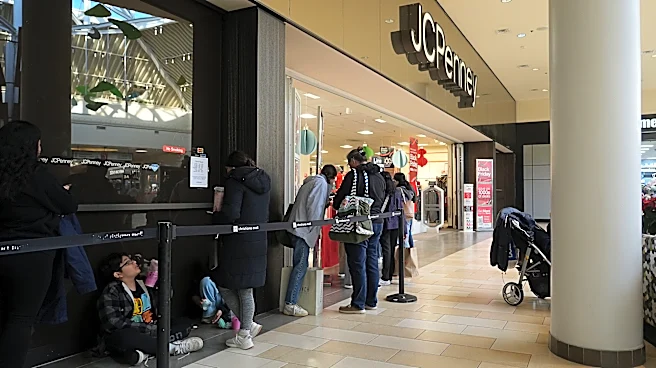
Thanksgiving is almost here, and for many households, the weekend that follows means picking out a Christmas tree and decking the halls.
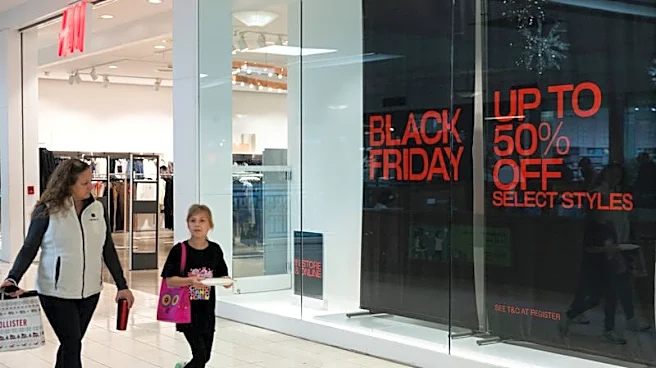
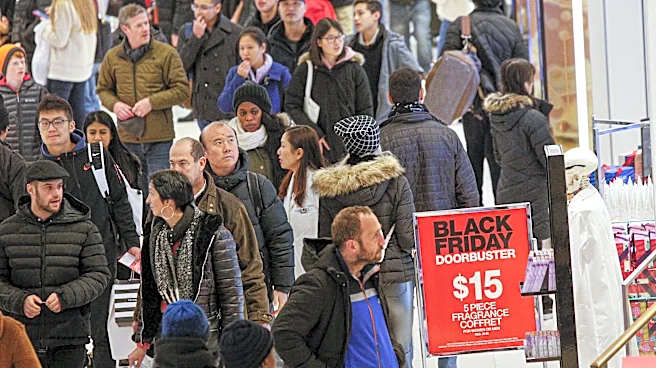
As the cost of living squeezes budgets, some may stick with decorations from years past. Others will take advantage of Black Friday and Cyber Monday deals. But those shopping for new festive touches may be wondering how much holiday cheer they can afford.
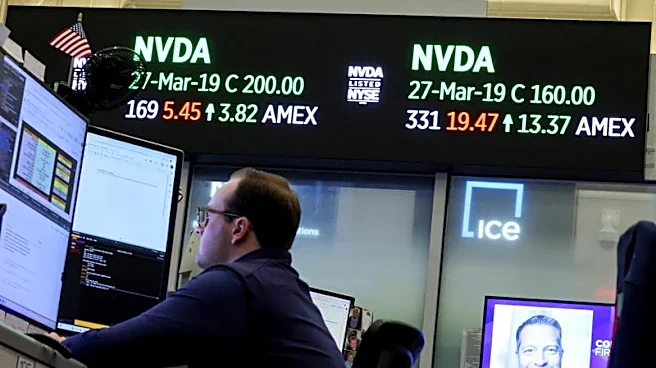
Over the year, the Federal Reserve Bank of Cleveland estimates consumer prices were up 3.8% last month, outpacing a 3.1% increase in average hourly earnings for private-sector workers. Broad inflation may make crossing items off loved ones' wish lists a more expensive task. That could be the case particularly if they're eying a new laptop, smartphone, or anything
that requires a memory chip as the AI buildout pushes up electronic costs.
In a survey of more than 3,200 customers of the saving and investing app Acorns, 44% said the holidays are the hardest time of year on their finances. That's more than the combined 27% share who chose tax season, back-to-school shopping, or summer travel.
However, not every holiday purchase will necessarily come with a higher price tag this year. From the tree to the table, here's a look at what consumers can expect when budgeting to celebrate this Christmas.

Real trees
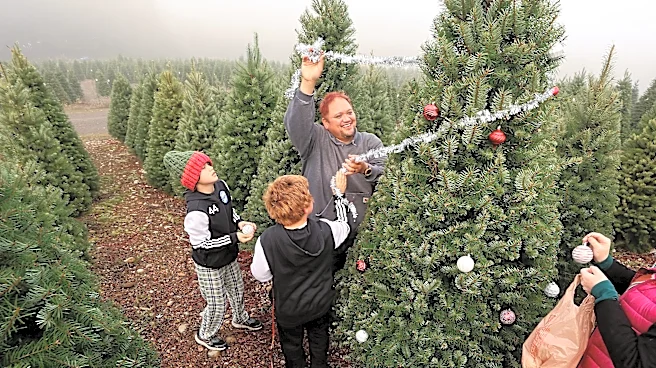
At a time when consumers may feel as though everything is getting more expensive, real Christmas trees may offer a welcome surprise this year: relatively stable prices.
It's not a Christmas miracle. High diesel prices and rising costs for other inputs are putting pressure on growers, but they are largely absorbing those increases rather than passing them on, according to Marsha Gray, the Real Christmas Tree Board's executive director.
Most trees destined for Americans' living rooms this holiday season were planted more than a decade ago. Now that they're ready to be harvested, a strong supply is helping keep prices in check, she said.
"Some years they can have a larger margin for profit. Other years, it's a little tighter," Gray said. "This is one of those years that's going to be tighter."
Among wholesale growers surveyed by the Board, 91% said they did not plan to raise prices for the 2026 season, including some who planned to lower them. That's up from 84% who said the same in 2025. Those figures reflect wholesale prices, however. Individual retailers across the country set their own prices and could still charge consumers more this year.
"Retail prices are set by those retailers, and they have their own structure of overhead costs, where they're selling, what their rents look like, what their fuel costs look like," Gray said. "What that means for consumers is that retailers that they go to, the starting (price) point of that Christmas tree did not go up."
She recommends consumers check local retailers' websites to compare prices and know what to expect. Before they arrive, she added that they should measure the ceiling height in the room where the tree will be displayed.
"Christmas trees are typically priced by the foot, so if you buy a tree that's too big, you've just wasted money," Gray said. "Make sure you save a little space for the stand, a little space for the star. ... You might actually save money because you're probably buying a little smaller tree than you actually think you need."

Artificial trees
Most real Christmas trees sold to American consumers are grown in the United States. Some are imported from Canada, but those are generally exempt from tariffs, Gray said, meaning higher levies aren't adding to their cost.
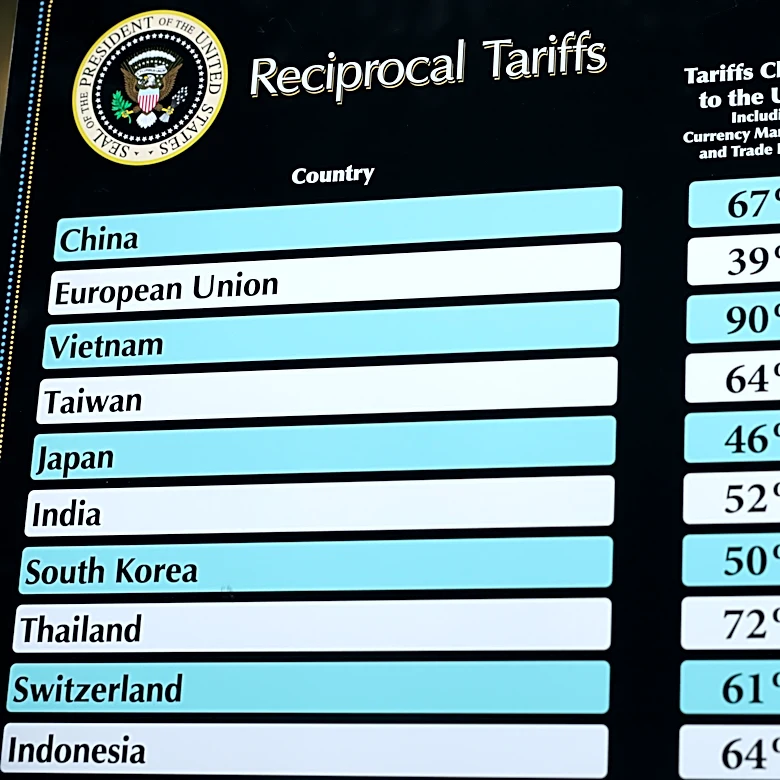
Artificial trees don't get the same treatment. Most are manufactured in China and still face tariffs. However, policy changes may have lowered their effective tariff rate this year, according to Mac Harman, founder and CEO of Balsam Hill, which sells hundreds of thousands of artificial trees each holiday season.
Last year, "there were all sorts of different rates, but people, I think, generally sort of penciled them out roughly around 20%, so prices reflected and assumed 20% tariffs," he said. "This year, it's more like 10 to 12.5%, so that is a net positive for consumers."
Harman said that although the company is paying millions of dollars in tariffs and higher fuel costs, Balsam Hill's prices are lower this year than they were in 2025 on average.
"The hope would be that by keeping those costs lower for our customers, we'll sell more product and make a little bit of money on the extra product we sell to make up for it," he said. "That's the hope, but the reality is going to be we'll just be less profitable than we planned to be."
For consumers in the market for an artificial tree that they can reuse year after year, 2026 may be an opportune time to buy one, Harman said. He added that he expects prices could go up in 2027 if broad inflation makes raw materials more expensive and if the Trump administration imposes new tariffs.
Decor
Most ornaments, garlands, and other Christmas decorations remain manufactured abroad and are therefore still impacted by tariffs, higher shipping costs, and broad inflation affecting supply chains this year.
For small retailers, that presents a tough choice. Many already operate on thin margins, leaving them less room to absorb higher costs, according to Carolina Martinez, CEO of the CAMEO Network which represents organizations supporting small businesses.
"The retailer can always decide, 'I want to swallow part of that increase,'" Max Walter, a consumer goods and retail director at the consultancy Simon-Kucher, said. "But they most likely will have to pass on some of these cost increases."
Yet raising prices risks driving customers away.
About 38% of small-business representatives that responded to a September Intuit QuickBooks survey said they planned to raise prices this year if they hadn't already, but 43% said they were hesitant to do so.
For consumers planning to stock up on decor soon, they may be comforted to know that by the time Black Friday rolls around, generally "everything is at its best price," according to Harman.
Still, shoppers could see select markdowns as Christmas grows closer. Businesses want to ensure they sell off holiday inventory before the season ends to prevent needing to store it until next year, Walter said.
"They don't want to ship it back because then the diesel prices affect the whole thing," he added. "It might even be that in the end we find a couple of very attractive deals."
Dinner
Christmas dinner may be one area where shoppers won't cut back on spending this year.
In a TransUnion survey of 3,000 U.S. adults, 73% said they expected to spend the same amount or more on holiday meals at home this season than they did in 2025 – the highest share of any spending category in the survey.
That doesn't necessarily mean the meal itself will cost every individual family more. For example, if consumers stick to a set shopping list, a Thanksgiving dinner for 10, including dessert, will cost 0.4% less than it did in 2025, according to a Wells Fargo Agri-Food Institute analysis.

"On the classic holiday meal, there will be everything done to keep prices as stable as possible," Walter said, adding that while he doesn't necessarily expect prices to drop, big-box retailers offer bargain meal kits to get customers through their doors.
For those skipping meal kits and shopping for ingredients, Walter said he expects their costs to rise roughly in line with grocery prices overall. Grocery prices rose 0.4% from September to October, according to the Labor Department. For families whose tradition is to dine out, prices for meals away from home rose 0.5% over the same period.
"We still see there is high demand, and at the end of the day, people want to maintain traditions in a world that is so quickly changing," Walter added. "I would expect January, February, March to be a bit of a sobering start to the next year and people, before that, will do whatever they can to keep things as they used to be."
Reach economy reporter Rachel Barber at rbarber@usatoday.com. Follow her on X @rachelbarber_ and on LinkedIn.
This article originally appeared on USA TODAY: What Christmas may cost this year, from the tree to the table