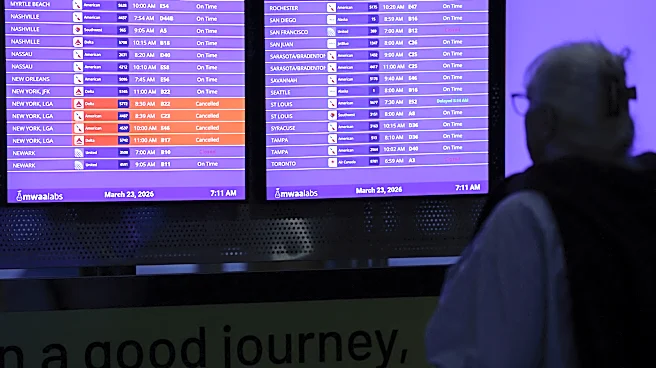








Seasoned travelers know to expect the unexpected. From canceled flights to food poisoning, travel plans can go awry for many reasons.
One way to protect yourself from financial loss when your trip doesn’t go as planned is to have travel insurance.
It’s exactly what it sounds like: insurance for the investment you’re making in your trip, from the cost of your flight to your hotel stay. Travel isn't cheap, and it would be unfortunate to see your money go to waste.
“Travel insurance may help you recoup money for unexpected events and inconveniences like being stuck on the tarmac, a trip delay, medical emergencies, lost bags and more,” said Christina Tunnah, general manager of global marketing and brands at World Nomads. “Travel insurance can’t necessarily
prevent stressful things from happening to you, but it can help ease the financial and logistical blow.”
Nearly 4 in 10 American travelers said they have purchased travel insurance or plan to for an upcoming trip, according to Allianz's Global Travel Confidence Index 2026. Some of the main reasons are unforeseen travel disruptions, medical expenses, and baggage issues. However, this is only the tip of the iceberg of what travel insurance can do for you.
Here’s what you need to know about travel insurance.

Do I need travel insurance?
“I could make a case for anybody for any trip that they should consider travel insurance,” said Stan Sandberg, co-founder of TravelInsurance.com, a travel insurance comparison site. “The big question to ask yourself is, would it really hurt if I had to cancel this trip at the last minute because I get sick – or for a number of reasons – and I were to lose all the money on the trip?”
Travel insurance is meant to protect you and your trip from unforeseen events, ranging from medical emergencies to lost baggage, flight delays and more. “You can think of travel insurance as providing coverage for three main buckets: your trip investment, your health and your stuff,” said Tunnah.
Your typical comprehensive travel insurance is broken down into two parts: pre- and post-departure. Pre-departure includes circumstances like weather disruptions (before a storm is named, so keep that in mind) or getting sick before your trip starts and needing to cancel it. Post-departure covers what happens during the trip, such as your luggage being stolen and you needing to buy toiletries and clothes at your destination, or ending up in the hospital.
“Most people will find the standard list of covered reasons to be comprehensive enough to be suited for their needs,” Sandberg said. However, those with pre-existing medical conditions or planning more adventurous activities like scuba diving or hiking in remote areas may want to consider add-ons for more protection.
What’s not covered by travel insurance?
Travel insurance doesn’t cover everything that can happen on your trip, so read your full policy or talk to the travel insurance company to fully understand it.
“Some of these exclusions can include pre-existing conditions, undertaking certain adventure activities or getting injured while under the influence (of narcotics),” Tunnah said. “Your policy will also have coverage limits to the amount that will be paid for lost baggage, medical expenses, emergency evacuation, etc.”
For example, some travel insurance will only cover a flight delay if it hits a certain number of hours.
Can I cancel my trip with travel insurance for any reason?
No, not unless you specifically pay for it. Buying travel insurance doesn’t guarantee a refund if you cancel simply because you no longer want to go. However, if you do want that flexibility, there is an option for that, aptly named the “cancel for any reason” add-on. Depending on the policy, you can cancel your trip for any reason up to two days before departure and still be reimbursed 50% or 75% of your nonrefundable costs.
Do I need travel insurance if I have a pre-existing medical condition?
Having a pre-existing medical condition, such as asthma or heart disease, can affect your coverage by potentially limiting it, according to Scott Fleming, president of Aon Affinity Travel Practice.
"Because these benefits, exclusions and limitations can vary by travel insurance plan, we always recommend that travelers carefully review the terms and conditions of their policy and call their provider if they have any questions," he said.
And you should work quickly too. Many policies offer a waiver of the exclusion based on when you purchase the insurance, which means a claim regarding your pre-existing condition won't be denied.
Do I need travel insurance for Japan? Do I need travel insurance for Europe?
Those traveling internationally will especially find travel insurance useful if something were to happen, from as small as a visit to a doctor to as major as a medical evacuation.
“Even with the best health insurance plans in the U.S., you may not have coverage when you travel overseas or outside your home medical territory or maybe just very limited,” Sandberg said.
Do I need travel insurance for a cruise?

If you’re taking a cruise, travel insurance can definitely come in handy, so shop around and see what type of coverage is offered. Cruise lines typically offer their own insurance, but they’ll often have quite a bit of restrictions, so make sure to read the fine print.
“When it comes to cruises, some benefits are more important than others,” Tunnah said. “As you aren’t flying between many locations, baggage delay may not matter as much. However, what if you have to skip a planned port of call due to weather? Some plans may cover this inconvenience.”
It's also very likely that your usual health insurance won’t cover visits to the cruise infirmary or clinic at a port, and you’ll end up having to pay out-of-pocket.
This article originally appeared on USA TODAY: Travel insurance can save your trip, but it doesn’t cover everything