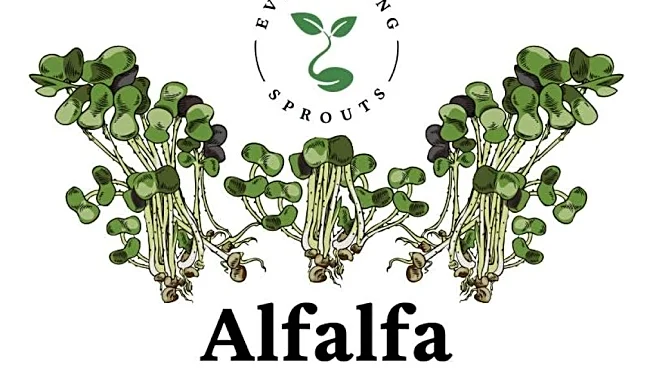









Everything Sprouts recalled certain lots of alfalfa sprouts after 55 food-borne illnesses related to sprouts were reported, according to officials.
"We continue to work closely with public health officials to investigate the source of this potential issue and will provide updates as they become available," Everything Sprouts, which is based in Minneapolis, said in the news release.
The sprouts were possibly contaminated with E. coli or salmonella, according to a news release posted to the Food and Drug Administration's website. The bacteria can cause illnesses that could be fatal for children younger than 5, elderly people or people with weakened or compromised immune systems.
As of Aug. 24, 55 cases of illness across 15 states related to alfalfa
sprouts were reported, including two people who were infected with both E. coli and salmonella, according to the Centers for Disease Control and Prevention. Seven were infected with salmonella, and 46 were infected with E. coli.
Four hospitalizations were reported, but there have been no deaths associated with the outbreak so far.
Generally speaking, it is uncommon for a foodborne illness outbreak to involve more than one pathogen, according to USA TODAY's previous reporting. This case involves Salmonella Agona and three strains of Shiga toxin-producing E. coli.
Here's what to know.
Which sprouts are being recalled?
The recalled products possibly connected to the outbreak were distributed from May 27, 2026 to Aug. 21, 2026 to grocery stores and wholesale distributors in Minnesota and Wisconsin. The recall includes certain lots of the following products:
- Everything Sprouts branded Alfalfa Sprouts packaged in 5-ounce plastic containers
- Calco branded Alfalfa Sprouts packaged in 5-ounce plastic containers
- Alfalfa 6/5 ounce packages
- Alfalfa 12/6/5 ounce packages
- Everything Sprouts Crunchy Protein Sprout Mix 5oz cups
- Zesty Garlic Mix cups
Check the lot numbers and bar codes below.
Everything Sprouts recalled alfalfa sprouts sold under the Everything Sprouts and Calco brands, including Alfalfa sold in 5-ounce plastic containers under the following bar codes:
- 860014523113
- 860014523120
- 850079470149
Recalled Alfalfa Sprouts, including Alfalfa 6/5 ounce and Alfalfa 12/6/5 ounce packages, were sold under the following lot numbers:
- 222
- 223
- 225
- 226
- 230
The recalled products were also used in Everything Sprouts Crunchy Protein Sprout Mix 5-ounce cups sold under the following lot numbers:
- 222
- 223
- 226
- 230
And in Zesty Garlic Mix cups sold under the following lot numbers:
- 222
- 223
- 225
- 226
- 230
See images of recalled products' labels and barcodes


Illnesses reported in multiple states
While the recalled sprouts were distributed to only two states, illnesses tied to the sprouts have been reported in 15 states, according to the CDC. Illnesses have been reported in the following states:
- Florida - 2 cases
- Iowa - 1 case
- Indiana - 1 case
- Kansas - 1 case
- Michigan - 1 case
- Minnesota - 21 cases
- New Hampshire - 1 case
- New York - 2 cases
- North Carolina - 2 cases
- North Dakota - 2 cases
- Pennsylvania - 1 case
- South Carolina - 1 case
- South Dakota- 1 case
- Washington - 1 case
- Wisconsin - 17 cases
Minnesota and Wisconsin, where the recalled sprouts were sold and distributed, report the highest number of illnesses.
What should you do if you purchased the recalled products?
Those who believe they purchased any alfalfa sprouts affected by the recall should immediately throw them away, according to the news release. Clean and sanitize any surfaces or containers that might have come in contact with the product or container.
Consumers with questions regarding the recall can contact Everything Sprouts at everythingsproutsmn@gmail.com.
Elderly, children and pregnant people advised never to eat sprouts
Sprouts are one of the few foods the FDA regularly issues blanket advisories against eating, especially for older adults, children, pregnant people and those with compromised immune systems.
"Sprouts are a raw agricultural product that's grown outside, harvested and put into 50-pound bags, so if the product gets contaminated out where it's grown and you put it in a warm, wet environment to sprout it, that's a perfect place for bacterial growth," Bill Marler, a food safety lawyer, previously told USA TODAY.
That's why some of the largest foodborne illness outbreaks ever, and the most deadly, have been linked to sprouts. It's also partly why sprouts are one of the only food items other than raw milk that the FDA and CDC consistently warn people not to consume.
What is Shiga toxin-producing E. coli, or STEC? Is it more dangerous?
The outbreak strain of E. coli linked to the sprouts has been identified as Shiga toxin-producing E. coli, or STEC. This type of E. coli is known to cause a serious kidney condition called hemolytic uremic syndrome, or HUS, according to the FDA.
Children are more likely to suffer from HUS, which damages blood vessels, according to the Mayo Clinic. That causes red blood cells to break down, leading to anemia and clots in the blood vessels. These clots may damage the kidneys and other organs and cause kidney failure or even death.
Symptoms of E. coli poisoning appear two to eight days after exposure and usually last about a week, according to the CDC. These can include:
- Diarrhea, sometimes bloody, and a fever higher than 102 degrees Fahrenheit
- So much vomiting that you cannot keep liquids down
- Signs of dehydration, such as dry mouth, reduced urination and dizziness
- Abdominal cramping, pain or bloating
HUS has some additional symptoms, according to the Mayo Clinic, including:
- High blood pressure
- Pallor or loss of color in the skin
- Extreme tiredness
- Easy bruising
- Unusual bleeding, such as bleeding from the nose and mouth
- Decreased urination or blood in the urine
- Swelling, called edema, of the legs, feet or ankles
- Confusion, seizures or stroke
Symptoms of salmonella poisoning
Symptoms of salmonella poisoning usually start six hours to six days after ingesting the bacteria. The most common symptoms are diarrhea, fever and stomach cramps, according to the CDC.
While most healthy people can recover in four to seven days without treatment, some vulnerable people, such as children under 5, adults 65 and older, and those with weakened immune systems, may experience more severe illness that requires medical treatment or hospitalization.
If you experience any of these more serious symptoms, the CDC advises contacting your health care professional:
- Diarrhea and a fever higher than 102 degrees Fahrenheit
- Diarrhea for more than three days that is not improving
- Bloody diarrhea
- Vomiting to the point that you cannot keep liquids down
- Signs of dehydration, such as not urinating much, dry mouth and throat and feeling dizzy when standing up
Julia Gomez is a Trending reporter for USA TODAY and covers space phenomena, scientific studies and natural disasters. Connect with her on LinkedIn, X, Instagram, and TikTok: @juliamariegz, or email her at jgomez@gannett.com
This article originally appeared on USA TODAY: Sprouts recalled after illnesses reported in 15 states. See products