
On Oct. 11, the Hindu festival of Navratri began, kicking off nine days of fasting, prayer and dancing in honor of the Goddess Durga.
That same Sunday, Alexandros Paporakis, a 19-year-old from Palatine,
Illinois, drove to the Sri Venkateswara Swami (Balaji) Temple in Aurora equipped with a rifle, body armor, tactical gear and hundreds of rounds of ammunition, authorities say. After allegedly firing one shot at a passerby in the parking lot, his gun jammed and he fled.
Afterward, according to prosecutors, the self-described “sociopathic white supremacist Neo Nazi” texted a coworker a photo of himself in tactical gear, a video of the rifle failing to fire, and expressed his intention to “retry when I fix this.” Authorities say he had spent the past two years authoring an eight-page document titled “Why I Fought: A.K.A. (Aurora Shooter's Manifesto).” Recognizing the imminent danger, his coworker called 911.
I know that parking lot in Aurora. I grew up 15 minutes away. I know the smell of incense that hits you in the temple entryway and where you take off your shoes. I know that, for $8, you can order a banging Mysore masala dosa at the canteen. I have stood in that parking lot alongside my father, mother and younger brother countless times. What I didn’t know was that someone had looked at the aunties singing bhajans or uncles eyeing ladoos and potentially seen a kill zone.
'Subhuman' rhetoric has become far too mainstream

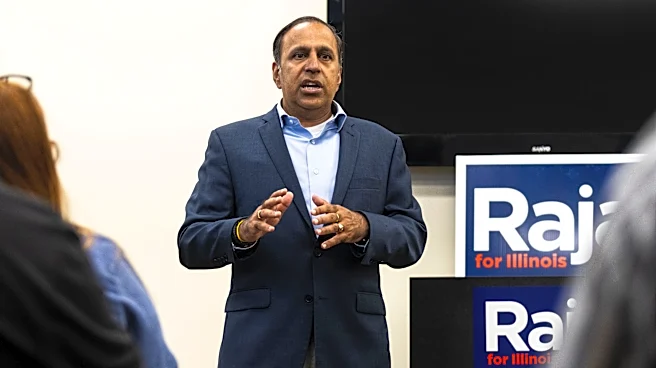
U.S. Rep. Raja Krishnamoorthi, D-Illinois, had been inside the temple that Sunday with his family.
"The shooter hated Indians, but his hate did not discriminate," Krishnamoorthi said at a news conference Oct. 16, holding back tears. “According to court documents, the manifesto that he wrote described Indians, Jews, Black people and other minorities as ‘subhuman.’ ”
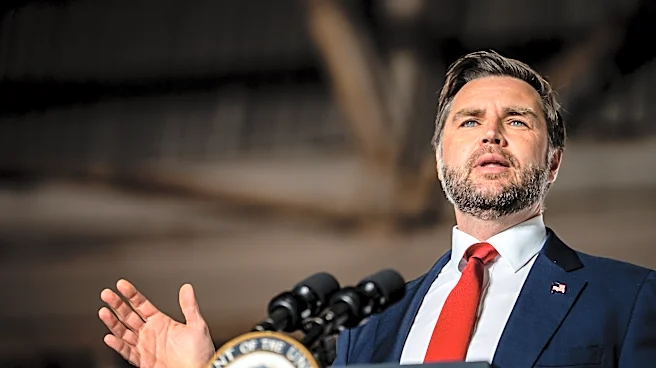
“Subhuman” used to be fringe rhetoric, until the fringe became the mainstream. First came “rapists” for Mexicans, then “s---hole countries” for largely Black and African nations, followed by “animals” and an “infestation” for immigrants and asylum seekers. By Oct. 8, Vice President JD Vance was calling Indian workers here on H-1B visas “indentured servants.”
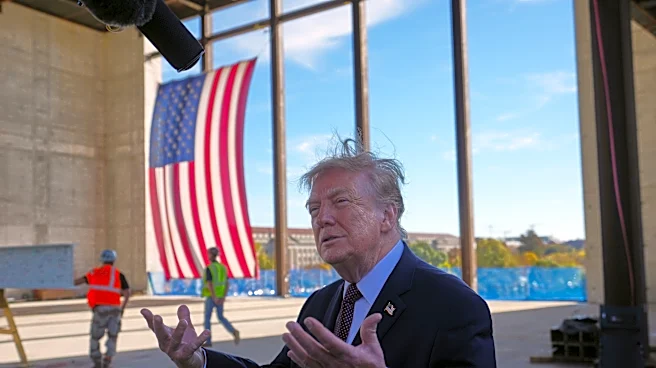
Was the supposedly foiled temple attacker a rogue actor? His alleged crimes reflect what he was told. While discrimination is woven into American history, the Trump administration has industrialized it, transforming xenophobia from a marginal pathology into an officially sanctioned grievance that has predictably manifested in violence. Trumpers wrote the script. Every man who acts it out is dismissed as an aberration. Yet, strangely, every aberration seems to recite the same lines.
According to the FBI’s Uniform Crime Reporting data, when President Donald Trump was first elected to office, reported hate crimes jumped approximately 17%, from 6,121 in 2016 to 7,175 in 2017. Incidents have remained far too high since, with the database reporting 10,881 hate crimes in 2025 – a majority, or 79%, bias-motivated against race or religion.
Diwali teaches us courage over compliance, community over fear

For Indians, it starts in the shadows of the internet: racist memes, viral mockery and some variation of “go back to your country” coupled with slurs.
"You see vitriolic posts associating Indians with dirt and creating disgust about their appearance, food and cultural practices," a spokesperson for the Coalition of Hindus of North America told PBS News.
Over the past two years, rising anti-Hindu sentiment has crystallized into physical violence against temples, backlash against religious monuments and xenophobic public comments. Even a seat in the U.S. Congress offers no immunity from harassment, Rep. Krishnamoorthi revealed: “A Florida elected official ... called for me to be deported and said, 'Take your curry and go home.' ”
When an ethnicity is scapegoated for taking jobs, skewing demographics or practicing an unfamiliar faith, it is only a matter of time before discourse matures into active persecution – a danger that transcends religious lines and leaves no community, including Indian Muslims and Sikhs, untouched.
Hinduism emphasizes peace, nonviolence (ahimsa), and the acceptance of diverse paths. It is human nature to fear what we do not know, but it is our shared responsibility to ensure that our differences do not divide. We must reject the dehumanizing narrative, recognize when reprobates seek to drive wedges between communities, and actively unlearn the biases that erode solidarity.
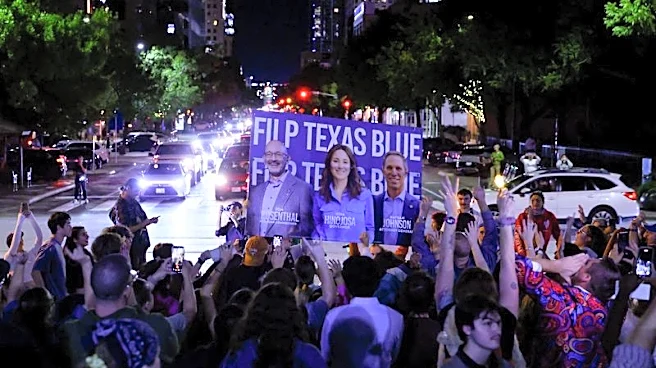
The midterm elections prove that the tides have already begun to turn – a testament to what we can achieve together. In a climate darkened by division, lighting a diya for Diwali this early November weekend means choosing connection over isolation, courage over compliance and community over fear.
While enmity is manufactured from the Oval Office, harmony is built on the doorstep: one lamp, one neighbor, and one vote at a time.
Isha Sharma is a first-generation Indian American writer based in Brooklyn, New York. A Case Western Reserve University and Georgetown University graduate, she aims to highlight and advocate for underrepresented voices in mainstream media. Follow her on Instagram: @isha__sharma
This article originally appeared on USA TODAY: Violence against Indian Americans doesn't come out of nowhere | Opinion