



A Republican president is facing his second midterm elections. His popularity is in the tank, in part because he took the country into a costly, unpopular war he thought would end quickly. Inflation is too high and federal spending under his party has exploded. The economy, while reasonably strong, faces headwinds. His party could be headed for a major defeat in November.
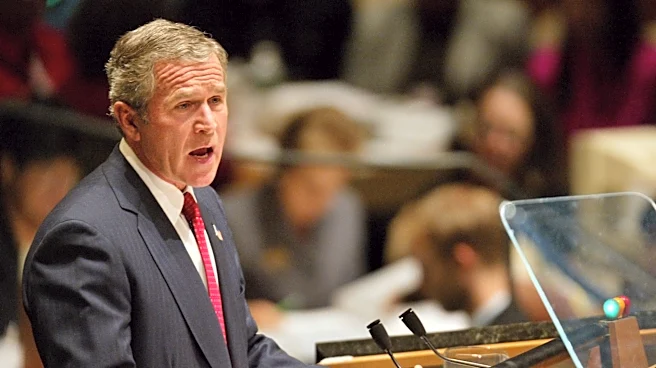
You may think I'm describing President Donald Trump. I'm actually describing President George W. Bush in 2006, when a blue wave cost Republicans dozens of seats and handed Democrats control of the House and the Senate, along with a majority of governorships and a string of state legislatures.
History doesn't repeat itself, but sometimes it comes close. That appears to be what's
happening heading into November.
Bush, Trump and the same slump, 20 years apart

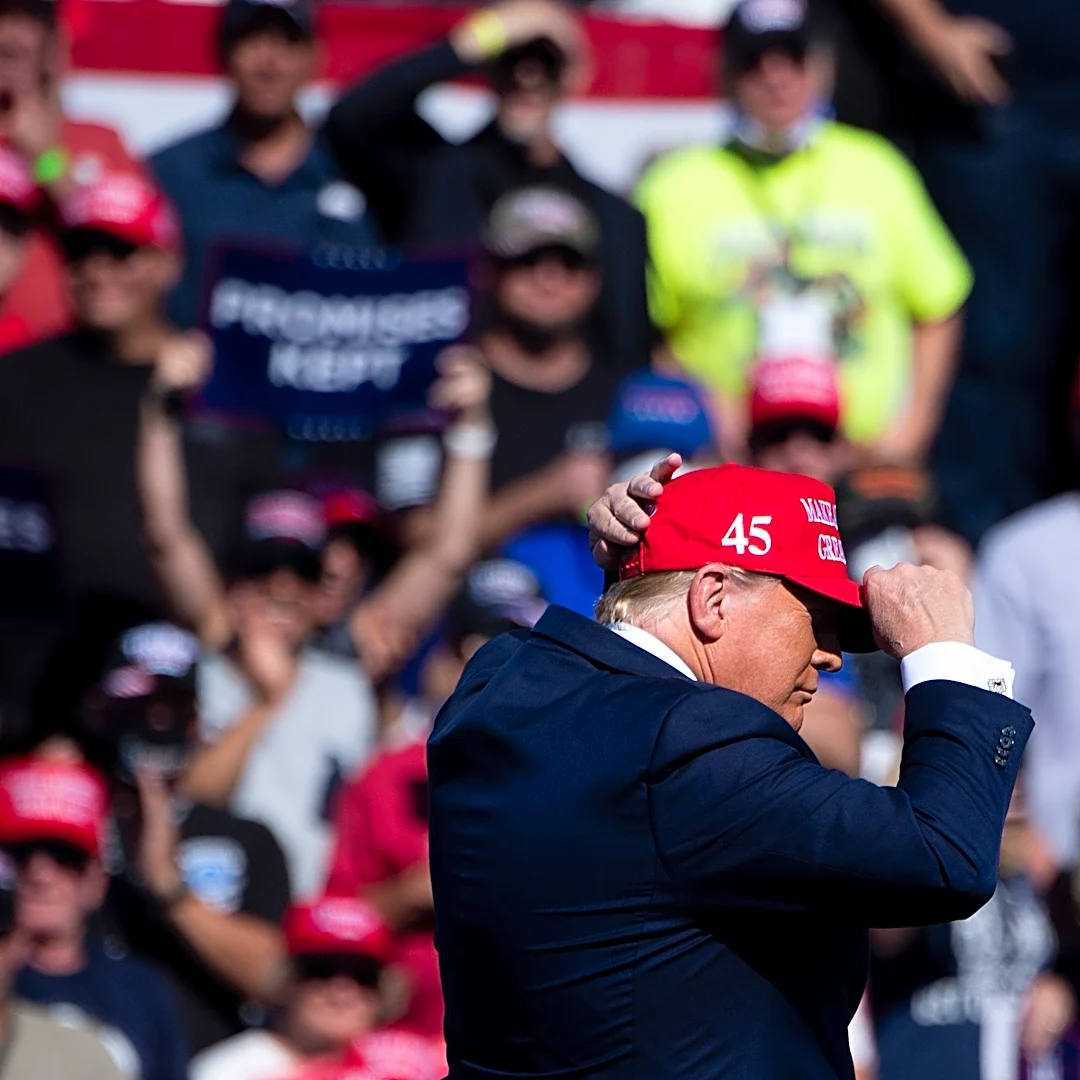
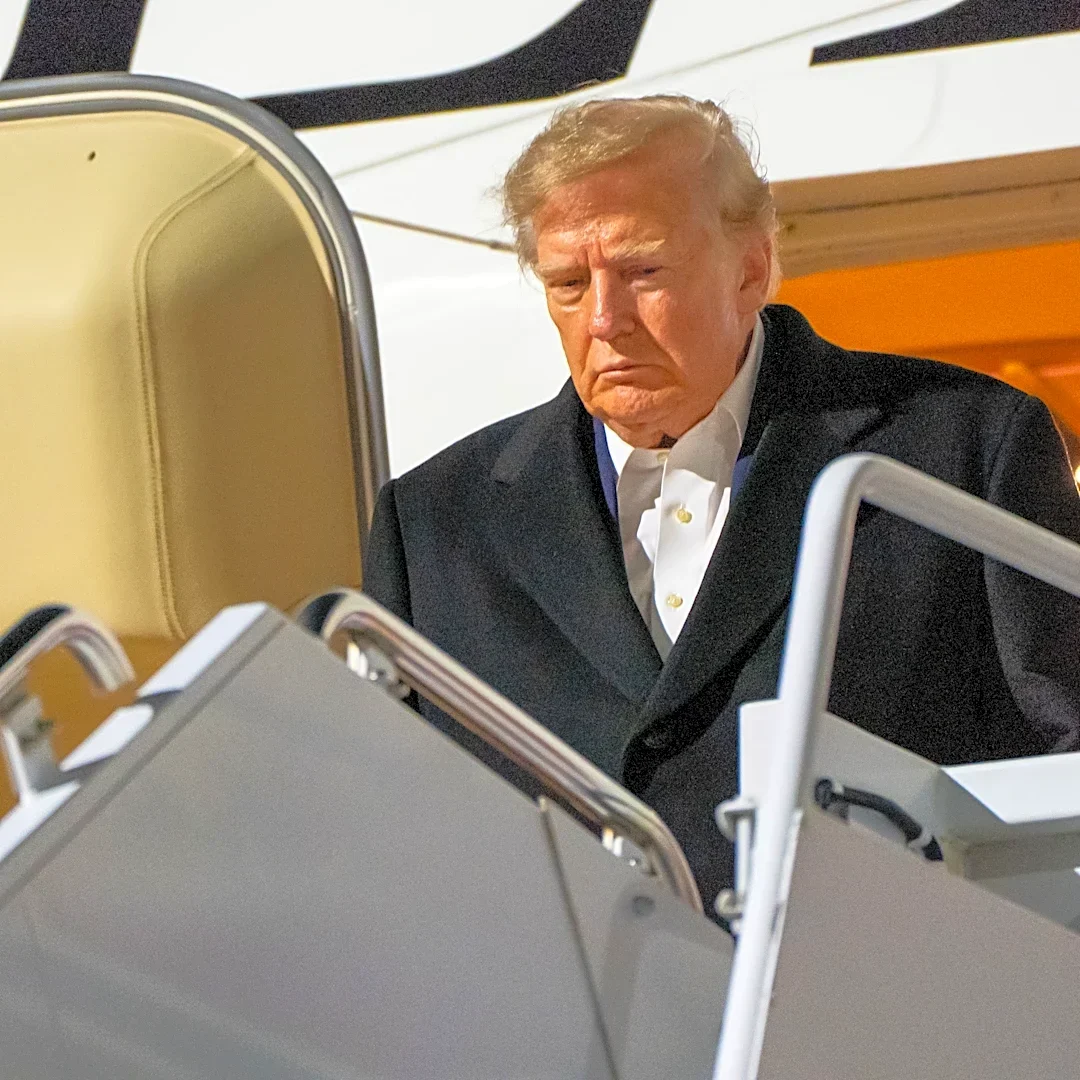
By the 2006 midterms, Bush's popularity had tanked. His job approval rating in Gallup polling peaked at 90% days after the 9/11 attacks. On the eve of the elections, it stood at 38%. Trump's today is almost exactly the same: about 38% in RealClearPolling's average.
A major reason for Bush's slump, barely two years after he won reelection, was Iraq. On the eve of the March 2003 invasion, about two-thirds of Americans supported the war. By the second half of 2006, about two-thirds opposed it.
Trump's war with Iran never had that kind of support to lose. A new Pew Research Center survey found just a third of Americans approve of how he's handling it – and Republican support is slipping, too.
The president reportedly expected Iran to go the way of Venezuela. After the January raid that captured Venezuelan President Nicolás Maduro and the June 2025 strikes on Iran's nuclear sites, an administration source told Axios, Trump "saw multiple decisive quick victories" and assumed toppling Iran's regime would be just as easy.
Bush's team had its own rosy forecast. Before the Iraq invasion, Vice President Dick Cheney predicted the war would last "weeks rather than months."

There are even more parallels. Inflation has been a headache for Trump – and for consumers. Yes, inflation hit 9.1% under President Joe Biden in June 2022. But it had cooled to 3% by January 2025, when Trump took office.
In August, it was back up to 3.4%, with gas prices doing much of the damage; core inflation, which strips out food and energy, fell to its lowest level since 2021. About 7 in 10 Americans worry the Iran war will push gas prices higher.
In 2006, inflation ran at 3.2%, after 3.4% in 2005.
Then there's gasoline. A gallon of regular cost $1.69 in March 2003, when Bush invaded Iraq. By the summer of 2006, it was nearly $3 – about $4.90 in today's dollars. Prices fell to about $2.23 by November, but that was too late to help the Republican Party.
Trump hasn't been so lucky. Gas went from about $2.91 in February, before the war in Iran, to nearly $4.50 in May. After a summer dip, it's climbing again, to about $4.36 in September. Falling prices didn't save Republicans in 2006. Rising ones won't help them now.
Cracks under the surface
What about the economy? The Great Recession didn't hit until December 2007, more than a year after the 2006 midterm elections.
But the rumblings had already begun. Home prices had peaked, families were feeling squeezed and a growing number of borrowers were falling behind on mortgages. Those were the first cracks of the financial crisis.
Today's economy looks healthier on paper, but it's split in two. Higher-income households, lifted by a soaring stock market, are spending freely; the top 40% of earners now account for about 60% of consumer spending, according to Fortune.
But Trump has remade the GOP around voters on the other side of that split: Two-thirds of his 2024 voters didn't have a college degree. Those are the voters Republicans need to turn out in November.
One more comparison. In 2006, Democrats led the final RealClearPolitics average on the generic congressional ballot, which simply asks voters which party they prefer, by 11.5 percentage points. They went on to win the national House vote by about 8.
Today, with a few weeks to go, Democrats lead RealClearPolling's average by … wait for it … 8.3 points. That's a smaller lead than the one Democrats had in the 2006 polls, but almost exactly the margin they won by that year.
Do these parallels predict a blue wave? Hard to tell. But Republicans are pulling money out of races they now consider lost, like North Carolina's Senate race, and moving it into red states that should be safe.
In 2006, Republicans lost their majority in Congress. Democrats gained 31 House seats, for a comfortable 233, and took the Senate, picking up six seats for a 51-seat majority that included two independents.
I stayed up late on election night in 2006, watching one competitive race after another fall to the Democrats. Nov. 3 could be an even longer night for Republicans.
Merrill Matthews is the Texas state chair of Our Republican Legacy.
This article originally appeared on USA TODAY: For Republicans, the 2026 midterms look a lot like 2006 | Opinion