



The Milwaukee Brewers have been a better organization than the Pittsburgh Pirates for a long time.
They’ve reached the MLB postseason 10 times in the 19 seasons since 2008, something the Pirates have achieved just three times in the same span. They’ve posted 14 winning records compared to the Pirates’ five. It’s not close.
Still, Milwaukee’s lack of postseason success before this year allowed the Pirates front office the luxury of excusing the gap to a team that plays in a television market two thirds the size of Pittsburgh by casting both organizations as ultimately two unfortunate peas in the same small market pod.
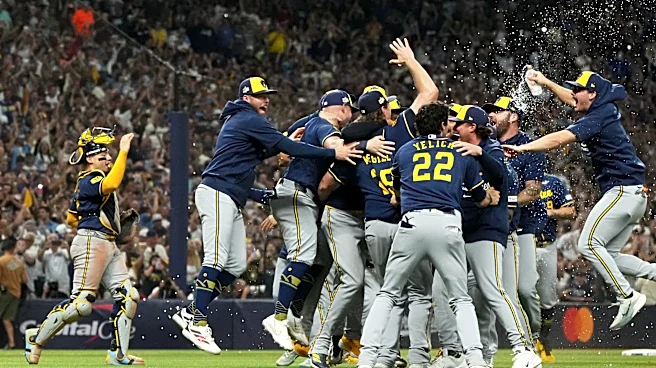
Not anymore. The Brewers’ dominant,
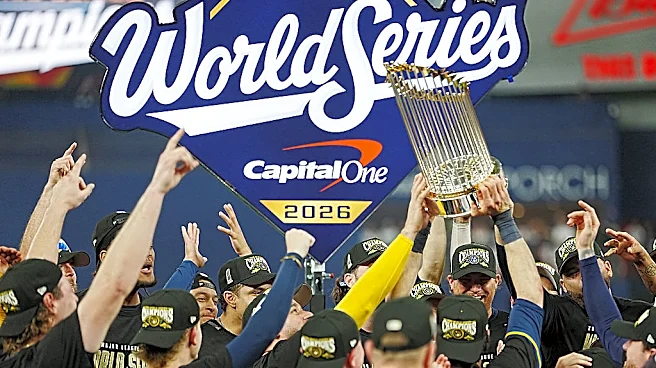
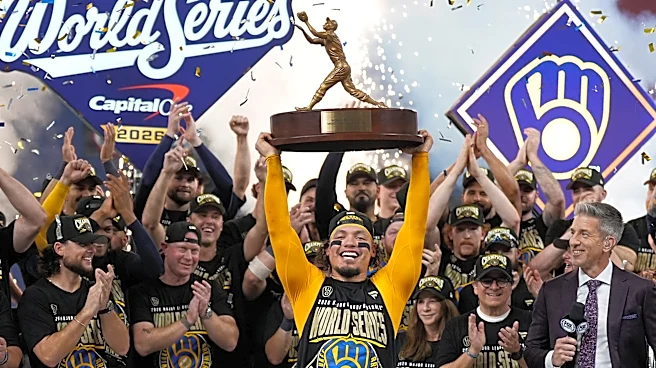
103-win 2026 capped with a World Series victory this week shreds the narrative that Pittsburgh cannot afford to succeed in MLB’s current economic system.
One could also argue Kansas City’s 2015 World Series win did that, too. Or that Tampa Bay’s consistent competitiveness in the American League East division that’s loaded with high payroll teams demonstrated a clear path to competitiveness. Or that Cleveland’s eight playoff appearances in nine seasons in a similar market a mere two hours from Pittsburgh undercut the Pirates’ bellyaching about their economic disadvantages.
Those arguments would all be correct.
Pirates fans don’t see those American League teams up close very often, though. The Brewers amount to a much more intimate look in the proverbial mirror because of their status as a National League Central division rival.
They’ve seen the rise of Brewers stars Brice Turang and Jackson Chourio up close. They’ve charted the success of Pirates ace Paul Skenes against Milwaukee counterpart Jacob Misiorowski. They’ve witnessed countless series losses to this franchise far from the bright spotlights of October. They’ve instead stewed in the ordinary embarrassment of getting blown out by this team on plenty of random, low-profile weekdays in April, May and June.
That familiarity can only breed contempt for the fact that the Pirates were outspent by tens of millions of dollars by the Brewers this year. Spotrac puts Milwaukee at 19th in payroll at $146 million. The Pirates were 23rd at $106 million.
Holding any team to a World Series standard is often unreasonable. Championships require as much good luck as they do proper management. So it’s reductive to ask why the Brewers can win a title when the Pirates can’t.
What’s not unreasonable is asking why Pirates GM Ben Cherington appears poised to get an eighth season in 2027 despite exactly one winning record since 2020.
Even that achievement came by the slimmest possible margin, as Pittsburgh barely slipped over .500 at 82-80 this season. And yet he’ll get the opportunity to continue, even as Brewers GM Matt Arnold has won a championship and four consecutive division titles despite being hired one year after Cherington.
The most charitable explanation is that owner Bob Nutting doesn’t want to change front offices in the face of MLB’s expected push for the salary cap he has long coveted in collective bargaining negotiations this winter. That he’d rather bet on the owners breaking the players to create a more restrictive playing field on which Cherington can compete than meaningfully commit to improving his club’s situation.
It’s a purely defeatist posture that looks as ridiculous as it is now that the Brewers – and not the high-payroll Los Angeles Dodgers – are the team holding the Commissioner’s Trophy.
MLB is their sport now. They hold the same hand of cards as the Pirates, and they’ve taken the whole pot with it while Nutting and his mouthpieces have been happy to blame the dealer for being losers.
It will be as easy as ever for Pittsburgh sports fans to see through that, regardless of where the sport ends up on the other side of the labor battle to come.
This article originally appeared on USA TODAY: Excuses from Pirates, Bob Nutting don't hold up against Brewers World Series victory