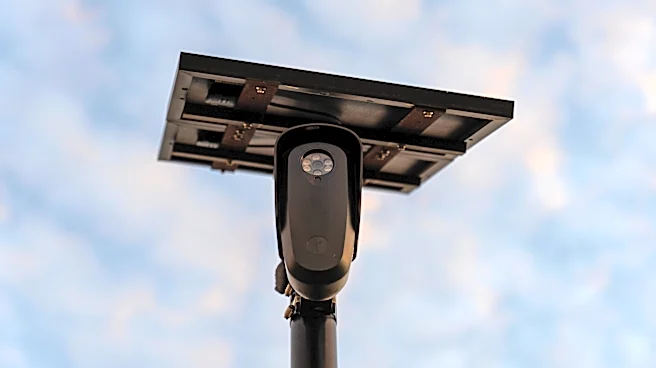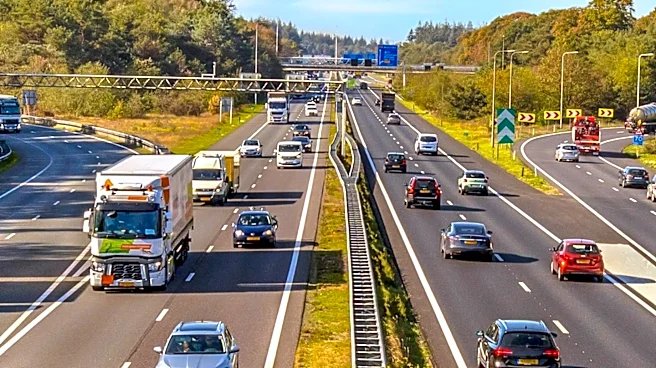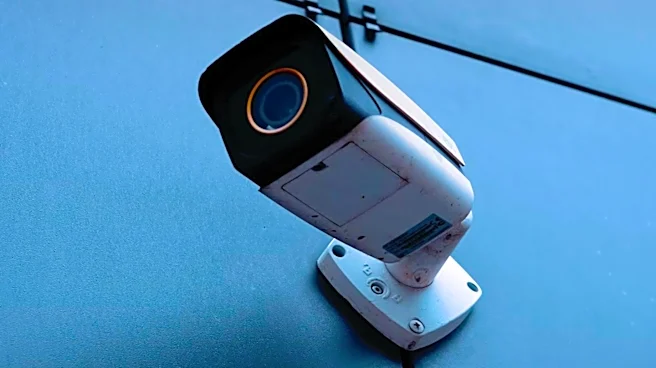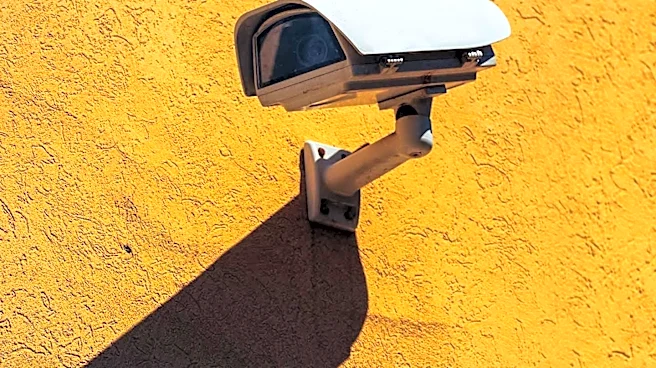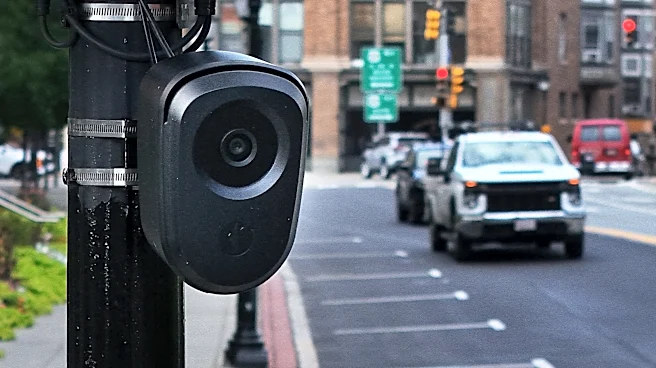



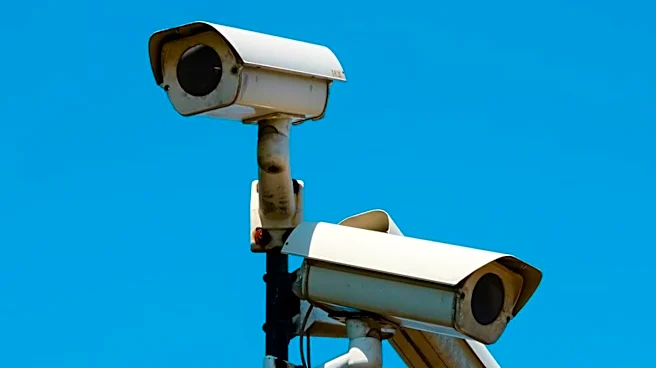
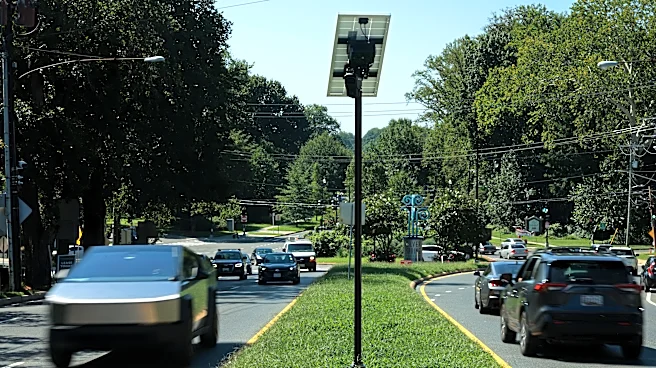

Americans hate Flock cameras, the automated license plate readers that record identifying information about vehicles. More than 120,000 of these cameras across 49 states let police search by license plate, make, model and other features to reconstruct where a particular car has been over the course of a day.
Americans who value privacy are speaking out, many through legitimate protests against the devices. Others, unfortunately, have joined a growing vigilante campaign aimed at destroying them.
I'm nervous about these devices too, but vandalizing them is not the answer.
Flock debates should be decided by legislatures, not vigilantes
Anti-Flock vandalism is already rampant. In at least 36 states, cameras have been sawed down, stolen, doused in paint, even shot. Many of the vandals are teenagers, egged on by
social media videos that walk viewers through how to destroy a camera step by step. Once you've learned the technique, finding a target is easy: several sites map exactly where the cameras are.
Flock Safety says it has contracts with more than 5,000 police departments across 49 states. With that kind of reach, it's no surprise the backlash has been just as widespread.
Cosplaying as a member of some dystopian resistance might seem cool, but vigilantism isn't how we do things here. We're a nation of laws, and if you break them you ought to go to jail, no matter how sympathetic your grievance. Violence only discredits the cause, and in this case it hands the "safety" side of the argument more ammunition.
Others in the media seem less bothered by the rising vandalism.
"Sometimes direct action is the only way to get politicians to consider civil liberties," writes J.D. Tuccille of the libertarian magazine Reason.
I doubt it. Flock was already drawing scrutiny from legislators and reporters before anyone picked up a saw.
Tuccille claims that these "acts of vandalism" are "not necessarily morally wrong." I'd argue they're exactly that: destruction of property paid for, and replaced, with taxpayer money. That cost falls on people who had nothing to do with Flock's surveillance in the first place. There are better ways to dissent, like the protests spreading nationwide under the banner of DeFlock. Its peaceful wing, backed in part by the ACLU, organizes locally to pressure towns and cities into cancelling their Flock contracts.
Flock cameras make me nervous, but they have merit

Like many Americans, I find Flock cameras unsettling. The idea that my entire day's travel could be reconstructed with nothing more than a search is unnerving enough. What's worse is that this information can be shared with police departments nationwide, an opt-in feature that, according to the New York Times, most departments choose to use.
At the same time, I believe Flock cameras are likely to reduce crime. Police departments have reported success with the technology, and Flock's own data (self-reported, it’s worth noting) claims its cameras helped support more than 1 million criminal investigations in 2025, including finding more than 10,000 missing persons. In jurisdictions that use Flock, the company says, up to 20% of solved cases involved its data.
Independent research is murkier. Other studies suggest Flock has helped solve stolen vehicle cases, but it's unclear whether that's causation or just correlation.
So why am I nervous? After all, the cameras can't hurt me, and if I've done nothing wrong, what's to worry about?
Reducing crime is a good end, but even wild success wouldn't fully exonerate Flock. We wouldn't tolerate round-the-clock cameras inside our homes just to prevent burglary, yet we do tolerate some intrusion on privacy to stop and punish crime, like public surveillance cameras on street corners.
Safety and privacy are opposing ends of a policy argument, and most of us accept that the right balance sits somewhere in the middle.
The legislative branch is best equipped to find it, weighing input from elected representatives and the experts they call in during hearings. Warrant requirements, auditable logs of department activity, shorter data retention windows: There's no shortage of measures that could split the difference on Flock, and legislatures and local governments are the right place to hash them out.
Police departments are taking notice, too. More than 50 cities and counties have already cancelled their Flock contracts this year. Protest through legitimate channels is working. Those who resort to violence are cutting off that process of debate, and doing their own cause a disservice in the bargain.
Legislators are noticing, too. Sen. Bernie Sanders, I-Vermont, has announced plans to introduce legislation curbing Flock's surveillance powers. Republican Senator Josh Hawley of Missouri, meanwhile, has launched a probe into misuse of the technology, after some 50 law enforcement officers were accused of abusing it, in one case to stalk an ex-girlfriend.
Flock is ripe for misuse and ought to be regulated. But legislators and local governments are already responding to what their constituents want. The violence isn't just immoral. It's unnecessary.
Dace Potas, a law student, is an opinion columnist for USA TODAY. Follow him on X: @DacePotas.
This article originally appeared on USA TODAY: Flock cameras make me nervous, but violence isn't the answer | Opinion