






You’re being chased by a bear. Your adrenaline is pumping, and you’re preparing to fight for your life. Then you realize it’s just another Tuesday and your boss has sent another passive aggressive nasty-gram to your email inbox. You take a deep breath. Three of them, actually. You start to realize you aren’t in immediate danger, and your body realizes it’s an email, not a bear.
This is the power of breathwork, and the body of research supporting its mental health effects continues to build. Breathwork is a term for a stress management technique that channels and focuses on breath to calm the body and mind, Cleveland Clinic says. It can help you to calm down and relax your fight-or-flight mode.
Breathwork can improve your mood, reduce high blood
pressure and encourage relaxation, according to the Andrew Weil Center for Integrative Medicine at the University of Arizona. It may also reduce anxiety and depression and symptoms of chronic conditions like COPD and asthma. Here’s what it’s doing in the mind and body.
What is breathwork? Plus, some ways it helps your mind and body
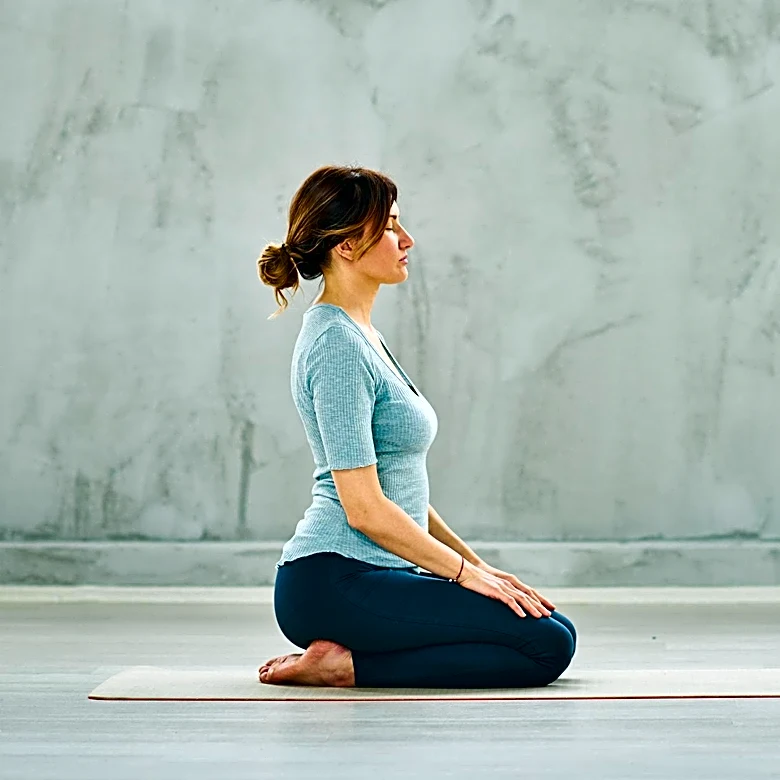
It makes sense that breathwork has roots in yoga, according to WebMD. The premise behind breathwork is that it releases toxins and stress when you breathe out, then nourishes the mind and body when you breathe in.
“Breathwork is the intentional practice of changing how you breathe, such as slowing the pace or following a particular rhythm, to influence how you feel physically and emotionally,” says Shannel Elhelou, neuropsychologist and founder of Brain Centric Neuropsychology in Westlake Village, California.
It’s not always just to calm down in a panic. “It includes everything from simple breathing exercises for stress relief to practices rooted in yoga and meditation, and breathing strategies used during exercise to manage exertion and support endurance.”
How to get started with breathwork
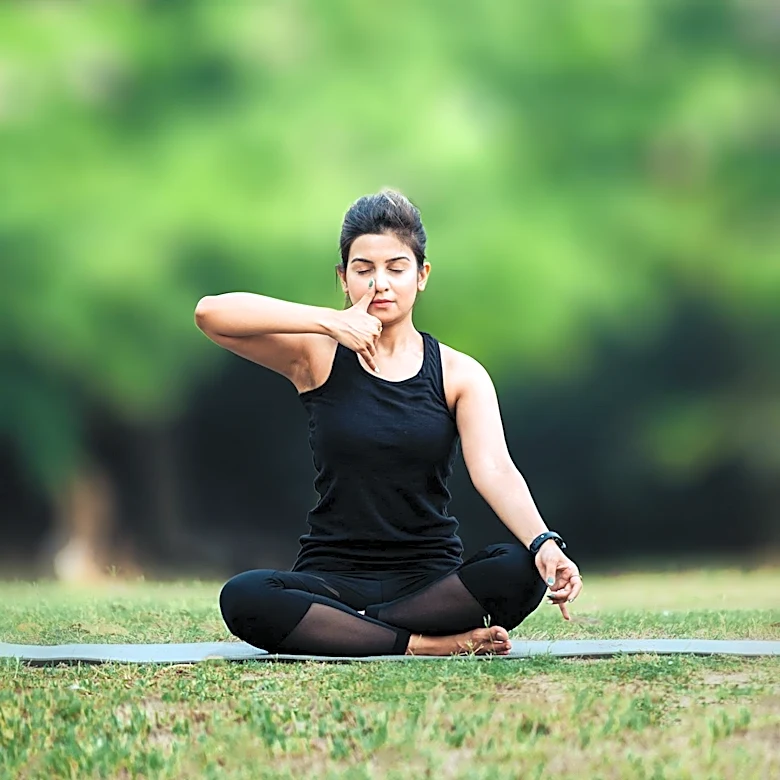
Common techniques, Elhelou says, include diaphragmatic or “belly” breathing, slow-paced breathing, alternate-nostril breathing and box breathing. “Box breathing involves inhaling, pausing, exhaling and pausing again for equal counts, often four seconds each,” she adds, which is her favorite because it’s easy to do and gives your attention a clear focus and rhythm when you’re overwhelmed. ”Some other forms of breathwork involve rapid breathing or longer breath holds, so different techniques can have very different effects.”
It can also simply be something concrete to focus on to ease anxiety. “When we are anxious, our thoughts can become focused on worries or what might happen next. Following the breath gives the mind a steady anchor in the present moment,” she says. “Together, these physical and mental effects may help us feel less overwhelmed and create a pause before reacting. However, researchers are still studying exactly how different breathing techniques affect brain activity.”
So, the next time things get stressful, take a deep breath. Or three. Your mind and body will thank you.
This article originally appeared on USA TODAY: What actually happens during breathwork?