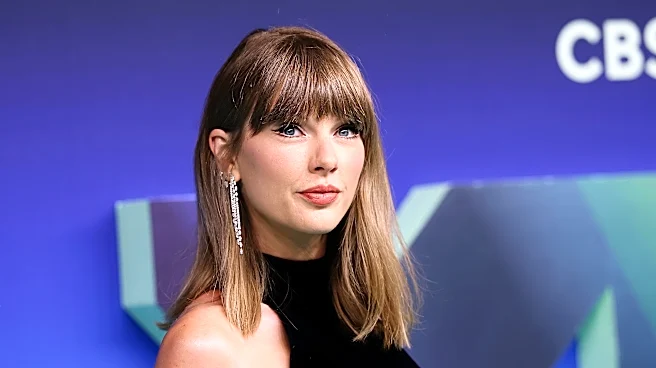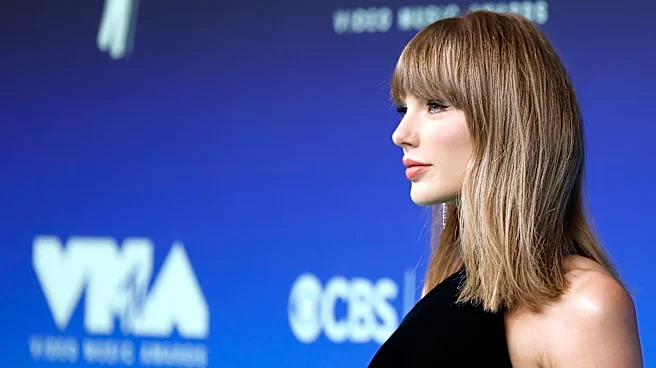




Is it possible to go a day without hearing something about Taylor Swift?
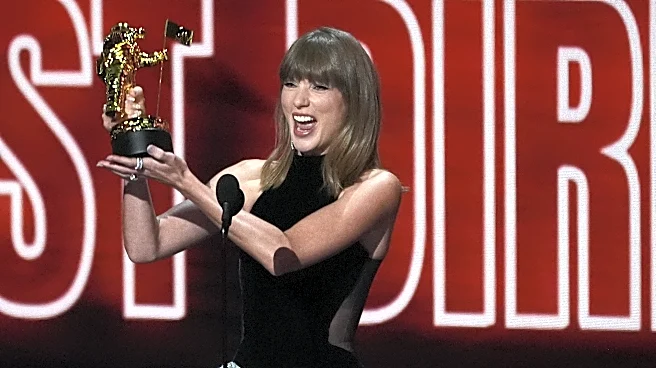
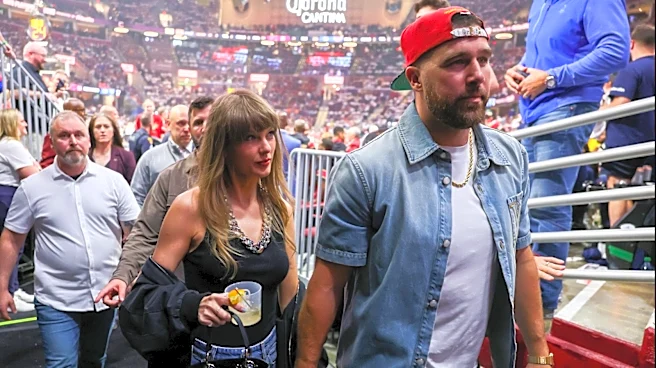
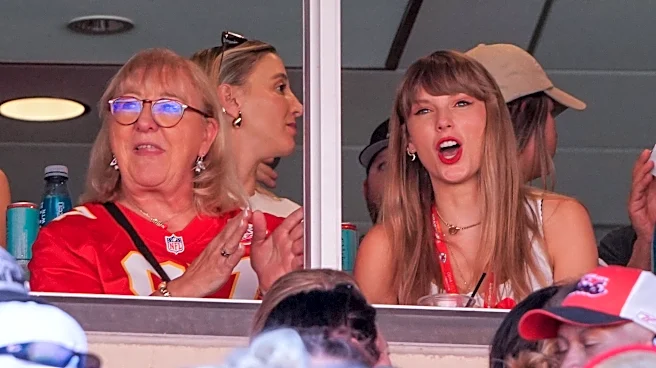
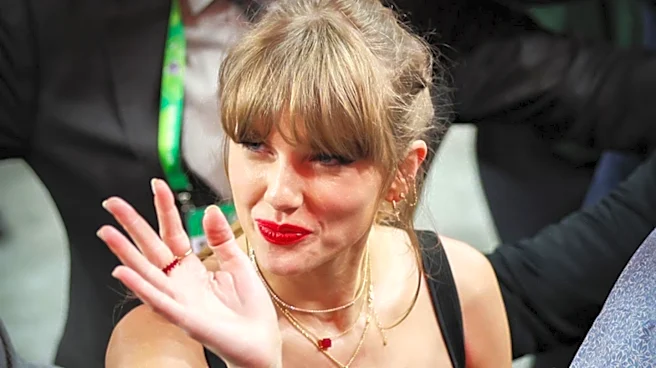
Whether you're a full-blown "Swiftie," a casual fan or a Taylor hater, there is no denying Taylor Swift the brand and institution have become one of the most successful in music history. From her record-breaking "Eras" tour to her public appearances at Kansas City Chiefs games to cheer on husband Travis Kelce, Swift's persona has infiltrated American culture to a level only ever seen by a few performers.
But what is it about Swift that makes her so intoxicating to some and polarizing to others? Is public perception around the singer shifting as she enters her new happy wife era? And how healthy is it for her massive fandom to hyper-analyze everything from her Emmy's cameo
to the colors she wears?
These are all questions a group of first-year students at Emory University consider when they step into the classroom for "Sociology: Taylor's Version."
Emory class examines Swift — but not by dissecting lyrics
Devon Goss, a sociology professor at Emory's Oxford College campus outside Atlanta, started the course geared toward students in their first semester at the college after she noticed conversations she had with friends about Swift following her Eras Tour touched on a sociological concepts she studied every day.
"I've always been a Taylor Swift fan or at least neutral on her. I'm the same age as she is, so I kind of grew up alongside her," Goss told USA TODAY after the class wrapped up for the day on Sept. 28. "I just was having so many fun conversations with my friends who aren't sociologists ... and I thought this would be such a fun class to talk about things that maybe students are already talking about at the lunch table or with their friends or online through the lens of sociology and kind of make it relevant."
The class includes about 15 students — most of whom are women, but Goss noted there were more young men in her current semester than ever before — who are predominantly in pre-professional majors like pre-med and pre-law. The students chose this class before arriving at Emory, and most had an interest in Swift before the semester began.
"I think sometimes when students start the class, they think we're going to be like breaking out all her lyrics and mapping them around. We're not necessarily doing that. We're more using sociological concepts to talk about her as an example, like a case study. So today we were talking about what is a fan, what is the functionality of a fan in our contemporary society, and we can see how that plays out through Swifties and like friendship bracelets or something," Goss said.
Fan versus fandom and Swiftie litmus tests
On Monday, the class focused on what it means to go from a fan of Swift to self-assigned "Swiftie" status, something that carries membership in a social community and community-based barriers of entry.
The students said identifying a Swiftie could be as easy as seeing someone who was dressed up in a more niche "era" for Swift's most recent tour, or someone with a row of self-made friendship bracelets up their arm that were traded among other superfans.
The Taylor Swift fandom focuses on Easter eggs the singer leaves in her songs, her music videos, her public appearances or on social media, and can spend hours dissecting what a single word could possibly mean for a new album or song. Knowing personal lore about Swift like the name of her cats or where she grew up is necessary for social acceptance in the fandom, and for building a personal connection not just with her music, but with Swift herself.
It's also a way fans provide a "voluntary unpaid contribution," Goss discussed with the class. When fans make TikTok reaction videos or non-licensed tour merchandise on Etsy they are acting as unpaid promoters. Swift feeds into the reciprocal relationship and is "martialing fan productivity" by dropping Easter eggs with long wait times before fans see a payout in the form of a song or video release.
The back-and-forth between Swift and her fandom almost becomes like a game, and a way for fans to feel like they are interacting with Swift directly, even after the performer made the decision to share less about her personal life around 2017.
And it's a relationship that is different than other public figures. One student pointed out that superfans of sports teams may or may not know personal information about the players on the team, and Swiftie annotations of songs oftentimes look more like a Biblical scholar's notes than a music fan looking up their favorite artist's lyrics.
"We talk about her as like a 'celebrity text' the way sociologists talk about it. So you're not just the person as a celebrity, but you're a name and an image and a brand and everything. And that's what we're kind of like analyzing and thinking about," Goss said. "I think sometimes when people talk about celebrities it can seem really like about who they are, and we're trying to kind of expand that a little bit."
Is public perception of Swift changing?
The course this semester comes at an interesting time in Swift's career as some of the public perception of both her and her music is shifting not only among her critics, but also among many of her fans.
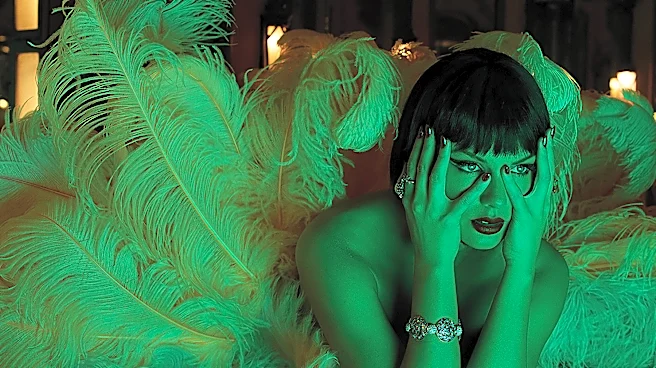
Swift released four new songs with "The Life of a Showgirl: The Encore" on Sept. 25, which was met with mixed reactions. Videos across social media showed fans unsure how to feel about the songs' vibe and large accounts like the "Swiftologist" saying the music "reached a new low." Others said fans just didn't know how to react to Swift singing about being in a happy, long-term relationship.
"We have a day where we're analyzing kind of like, did she move conservative? Is she a trad wife? How do we make sense of her like in a marriage, a happy relationship when so much of her persona is about relationships and breakups?" Goss said.
The class also dives into Swift's intersection with other trending topics. In a class next week, students will go over the recent Macklemore/Ed Sheeran controversy and watch Swift's documentary "Miss Americana" where she takes more direct political stances.
The students asked one another whether Swift's promotion of an idealized version of girlhood, or "bedroom culture," is feminist or is actually such a narrow view of women's lived experiences it becomes anti-feminist. They asked why Swift chooses to speak out on some social issues, typically women's issues that impact Swift directly, compared to other topics that she may reference in her music, but hasn't been explicit about.
Other students questioned whether anyone should care about her political stances, or whether she has any right to spread what may be less educated opinions compared to policy experts.
"My students are very interested in whether artists should have a political opinion or not," Goss said. "I do try to bring in things that are happening in the news."
The Taylor Swift news, however, is almost never-ending, Goss says.
"When I designed the syllabus I left some space at the end since it is chronological for us to tack on some or any emergency Taylor Swift stuff we needed to," Goss said. The Swift-Kelce wedding, for example, will be added to the coursework at the end of this semester.
"Students are also super encouraged to send me things they find on Instagram or TikTok, or they'll just send me an article and say 'we should talk about this' or 'this connects to this idea we've had," Goss said.
Irene Wright covers Atlanta's colleges and universities as the Atlanta Connect reporter with USA Today’s Deep South Connect team. Find her on X @IreneEWright or email her at ismith@usatodayco.com.
This article originally appeared on USA TODAY: Taylor Swift is trending again. Sociology: 'Taylor's Version' asks why