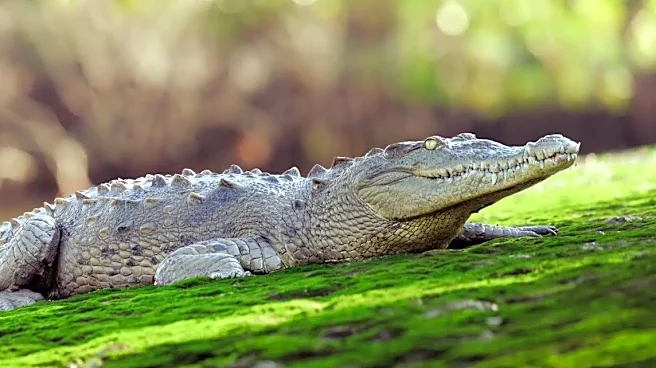


A crocodile died from apparent lead poisoning, according to the Florida Fish and Wildlife Conservation Commission (FWC), the first-known case of its kind in Florida.
The Fish and Wildlife Research Institute (FWRI), the research division of the FWC, made an Instagram post regarding the 2023 incident on Oct. 6, which says the crocodile "unexpectedly died during routine capture."
Afterwards, researchers discovered over 22 grams of lead in its stomach, which is "approximately the weight of a AA battery."
What occurred during Florida crocodile capture
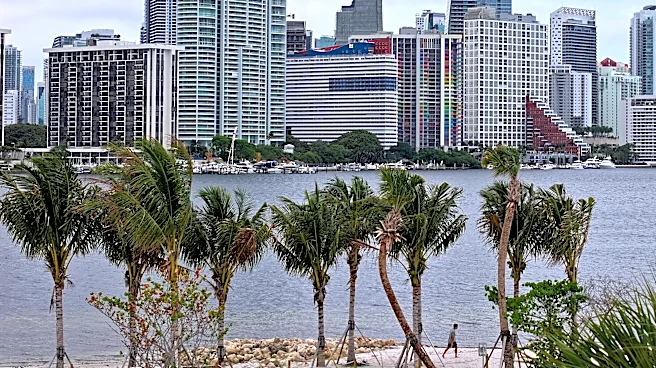
According to the research published by the FWRI on Feb. 26 regarding the crocodile's death, a Miami-Dade caller made a complaint through the FWC's Statewide Nuisance Alligator Program on Nov. 17, 2023, reporting "that a crocodile had climbed into his
outdoor swimming pool."
A crocodile response agent "captured and secured" the crocodile, an "adult with good body condition." As a part of the FWRI's continuing research on the species, the crocodile was selected to receive a satellite transmitter.
Although the crocodile was "initially active and alert," showing no "obvious signs" of poor health, towards the end of attaching the transmitter, the crocodile started to thrash and emit a "foul-smelling liquid from its nostrils."
The crocodile was released at the edge of the canal behind the caller's home after the transmitter was attached, but the FWRI "observed" that it had died, and conducted an abbreviated necropsy in the field.
What was found in the crocodile's stomach
Upon further examination, the crocodile displayed clinical signs of lead poisoning, such as missing teeth.
The FWRI wrote that they believed the elevated levels of lead in "this crocodile reduced its overall fitness, making it unable to survive the stress of a standard capture and transmitter attachment event."
The large female crocodile's stomach contained 22.42 grams of lead, including "23 air rifle pellets, one fishing weight, and small lead fragments," as well as "at least one green iguana that had likely been shot with lead ammunition."
American crocodiles are a threatened species
American crocodiles are a federally designated threatened species, according to the FWC.
They are a "shy and reclusive species," and reside in "coastal areas throughout the Caribbean," with the "northern end of their range" in South Florida.
They tend to live in brackish or saltwater areas, and are sometimes encountered inland in freshwater areas on the Southeast Florida coast due to "the extensive canal system."
Sarah Perkel is a South Florida Connect Reporter for the USA TODAY Network's Florida Connect team. You can get all of Florida’s best content directly in your inbox each weekday day by signing up for the free newsletter, Florida TODAY.
This article originally appeared on USA TODAY: Crocodile dies of apparent lead poisoning in Florida's first-known case