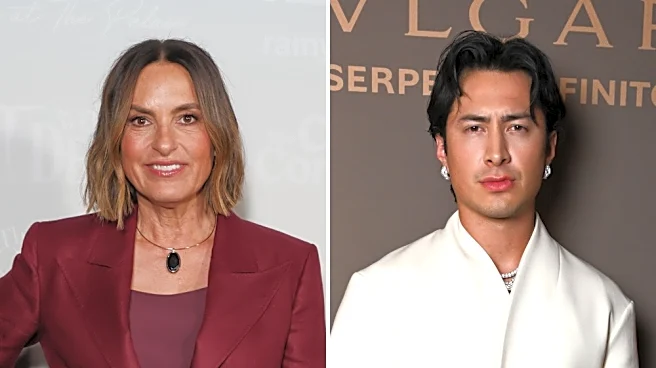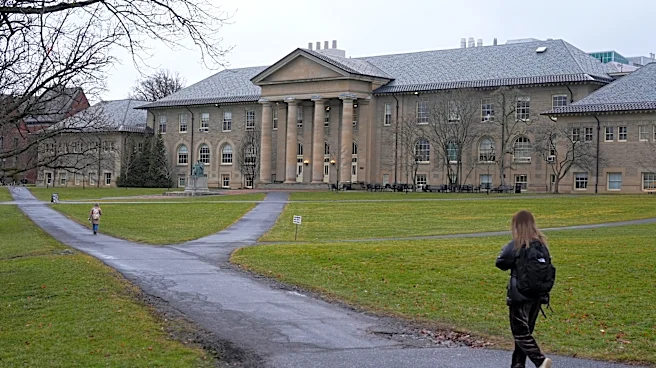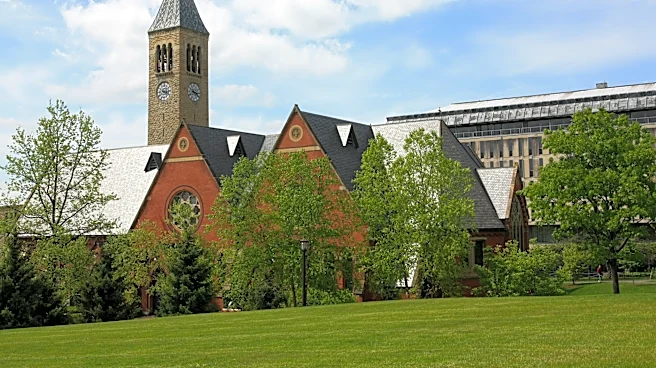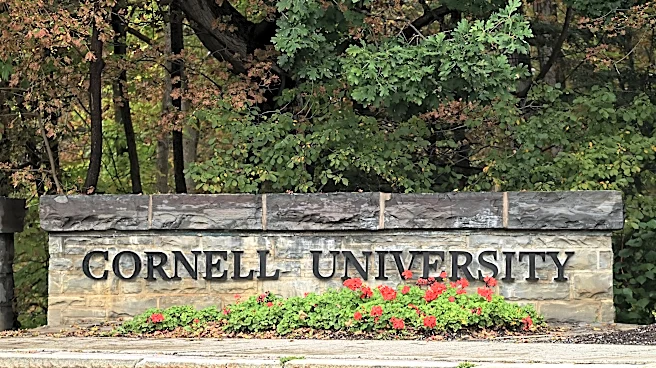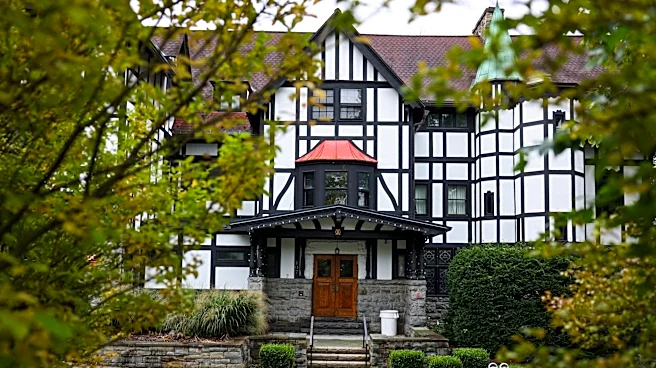


Mariska Hargitay is joining the chorus of people demanding accountability for a former Cornell University student's alleged rape.
The unnamed woman, who was 20 when she was allegedly drugged and the victim of a "gang rape" in October 2024, named seven former members of Cornell's Chi Phi fraternity, the fraternity's since-shuttered Xi chapter, the university, her Tri Delta sorority and its Alpha Beta chapter, among other defendants in a civil lawsuit filed Sept. 16. The suit alleges sexual assault and battery, negligence and a violation of the state's Human Rights Law, among other counts.
Following the bombshell lawsuit, the district attorney of Tompkins County, New York, said on Sept. 28 that his office would reopen the case. No criminal charges
resulted from Jane Doe's sworn statement submitted to the Cornell University Police Department in November 2024 because there was "no evidence" that "she clearly expressed that she did not consent to the act" while under the influence of ketamine and alcohol, according to DA Matthew Van Houten.
A joint statement from Hargitay and her Joyful Heart Foundation, posted Sept. 27, read: "A Cornell student says she was never told the outcome of her own Title IX case, and the men she accused are back on campus. The Cornell Daily Sun is demanding answers and accountability, and so are we."
The statement continued, "Survivors deserve to be believed and kept informed. Silence protects no one. To her: we support you. Support is available 24/7 at 1-800-656-HOPE."
The Cornell Daily Sun, which is the university's student newspaper, called for transparency regarding the school's Title IX investigation and its results in a Sept. 21 opinion from the editorial board.
Hargitay followed up on the topic in her Instagram Story, in which she re-shared other accounts' posts supporting "ruin[ing] the futures of adult men who drug and gang rape a woman" and condemning the fraternity members in an alleged Snapchat group chat, shown in Doe's lawsuit, who failed to stop the alleged sexual assault.
On Sept. 28, Cornell's vice president for university relations released a statement expressing support for "the victim’s story in the 2024 Chi Phi fraternity sexual assault case to be heard by a criminal grand jury." The "thorough Title IX investigation" led to a multiday hearing that resulted in "a range of sanctions, which included expulsions and suspensions from Cornell," according to the statement.
However, "any suggestion that the university did not impose consequential punishments for those involved is false," the VP said.
In a statement to CBS News New York, the Chi Phi national headquarters called Doe's allegations "deeply concerning" and vowed to "take this matter seriously" while being unable to "discuss the specific allegations during pending litigation."
What's next in Cornell rape case? Grand jury will vote on possible indictment
Van Houten, the Tompkins County DA, said in a Sept. 28 statement – which contained redacted excerpts from Doe's 2024 police statement – that though "the behavior of certain Chi Phi fraternity members was without question disgusting and morally reprehensible," "the decision made in November of 2024 that the evidence did not support the filing of criminal charges was legally correct."

He said that Doe's statement did not allege that she was forced to participate in sexual conduct, that she was "rendered incapable of controlling her own conduct or that any drug was administered to her without her consent or that she was unconscious." Van Houten added, "Thus, with no evidence of a 'lack of consent,' criminal charges simply could not be sustained."
He added, "I recognize the reality that it can take years of therapy and healing for victims of sexual assaults to fully process and understand what happened to them. Seeking justice sometimes requires us to reconsider or reopen cases when we are provided with additional evidence."
Next, the DA's office will "determine the appropriate charges" and present testimony to the Tompkins County Grand Jury, which will vote whether to "indict any or all of the individuals involved."
Mariska Hargitay's advocacy for sexual assault victims
Hargitay has long been an advocate for sexual assault victims. She found a voice through "SVU" by taking courses on trauma, started her Joyful Heart Foundation in 2004 to support assault and abuse survivors and won a News and Documentary Emmy for her "I Am Evidence" project about ending rape-kit backlogs.
In a January 2024 essay, she opened up about being raped in her 30s by someone she knew. She described, "I went into freeze mode, a common trauma response when there is no option to escape. I checked out of my body."
Hargitay explained that she struggled to process the assault; delayed responses are common in cases of sexual violence. But she came to acknowledge, "I did what I had to do to survive."
Contributing: Taijuan Moorman
If you or someone you know has experienced sexual violence, RAINN's National Sexual Assault Hotline offers free, confidential, 24/7 support in English and Spanish via chat and at 800-656-4673.
This article originally appeared on USA TODAY: Mariska Hargitay condemns Cornell rape case handling, supports accuser