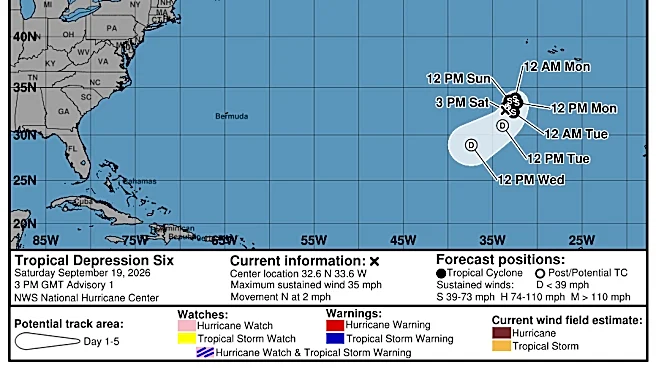






Tropical Storm Fay has formed far out in the Atlantic Ocean and currently poses little hazard to life or property, the National Hurricane Center said, as the ongoing El Niño weather pattern suppresses the formation of Atlantic hurricanes.
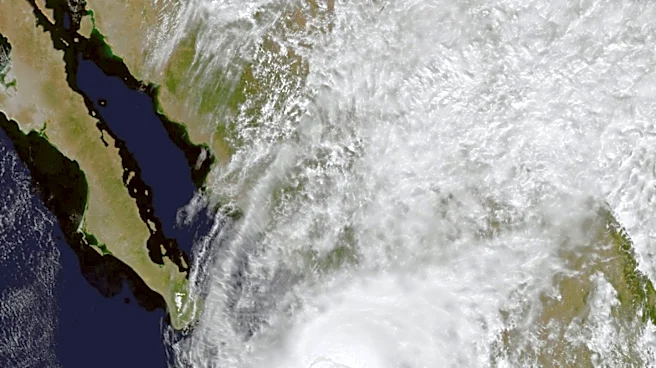
In the Pacific Ocean, Tropical Storm Odalys is forecast to become a hurricane on Sept. 21.
Fay's 45 mph winds were about 450 miles southwest of the Azores and moving north northeast at about 5 mph, the hurricane center said in a Sept. 20 early morning advisory. Fay is the sixth named storm of the 2026 Atlantic hurricane season. No hurricanes have made landfall on the Atlantic coast this year. The storm is about 2,000 miles from Washington, DC.
"Fay will likely become a remnant low on Tuesday and dissipate by
the end of the week as it is expected to remain in unfavorable environmental conditions," the hurricane center said in the morning's forecast discussion.
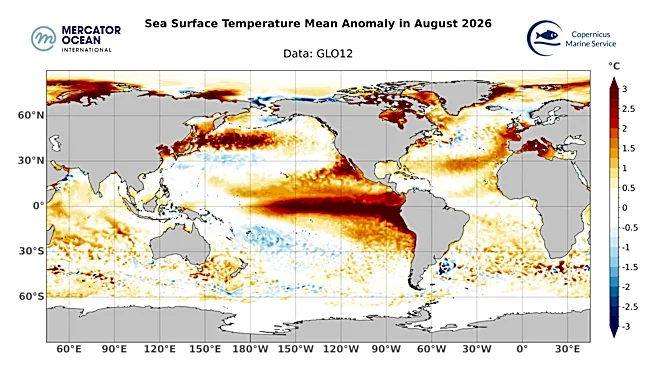
Although El Niño occurs in the Pacific Ocean, high-elevation winds spawned by the high water temperatures cross the United States and then interfere with hurricane formation in the Atlantic Ocean, according to the National Oceanic and Atmospheric Administration.
The same El Niño conditions that limit Atlantic hurricane formation can also boost Pacific hurricanes, NOAA said.
Off the western coast of southern Mexico, Odalys had sustained wind speeds of 40 mph and was moving northwest. The storm is expected to become a hurricane sometime Monday, Sept. 21, according to the hurricane center. Odalys does not yet pose a risk to life or property, the hurricane center said, and is moving northwest at about 8 mph.
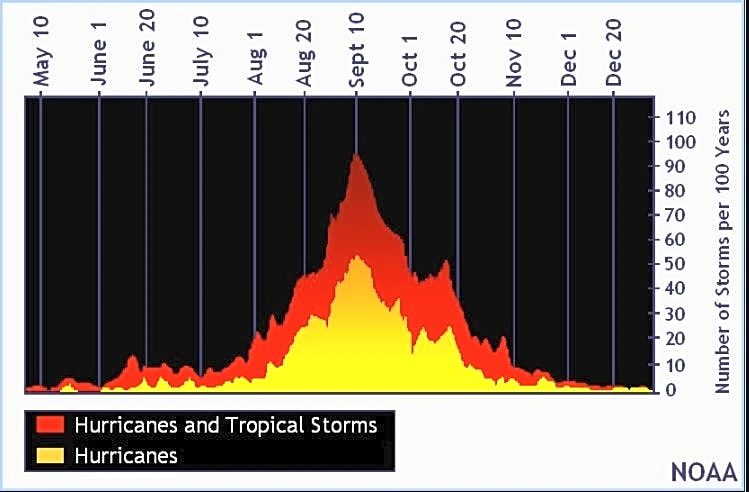
Atlantic hurricane season officially runs from June 1 to Nov. 30, with 97% of tropical cyclone activity occurring during this time period, according to NOAA, although storms can and do form outside that window.
This article originally appeared on USA TODAY: Tropical Storm Fay forms in Atlantic as Pacific's Odalys strengthens